

How the Little Balance Box Grow Grows With Your Child
Baby gear shouldn't be temporary. Learning to walk isn't something that happens in a few weeks. It's built through months of practicing balance, weight shifting, coordination, and confidence.
Yet many traditional push walkers are designed for children who are already walking or very close to it, which is why they're often used for such a short period of time.
The Little Balance Box Grow was designed differently.
Supporting Development From the Beginning
The Little Balance Box Grow is typically introduced with parent support around 6 months of age.
During this stage, children are learning important foundational skills such as:
• Sitting balance
• Reaching and playing
• Pulling to stand
• Weight shifting
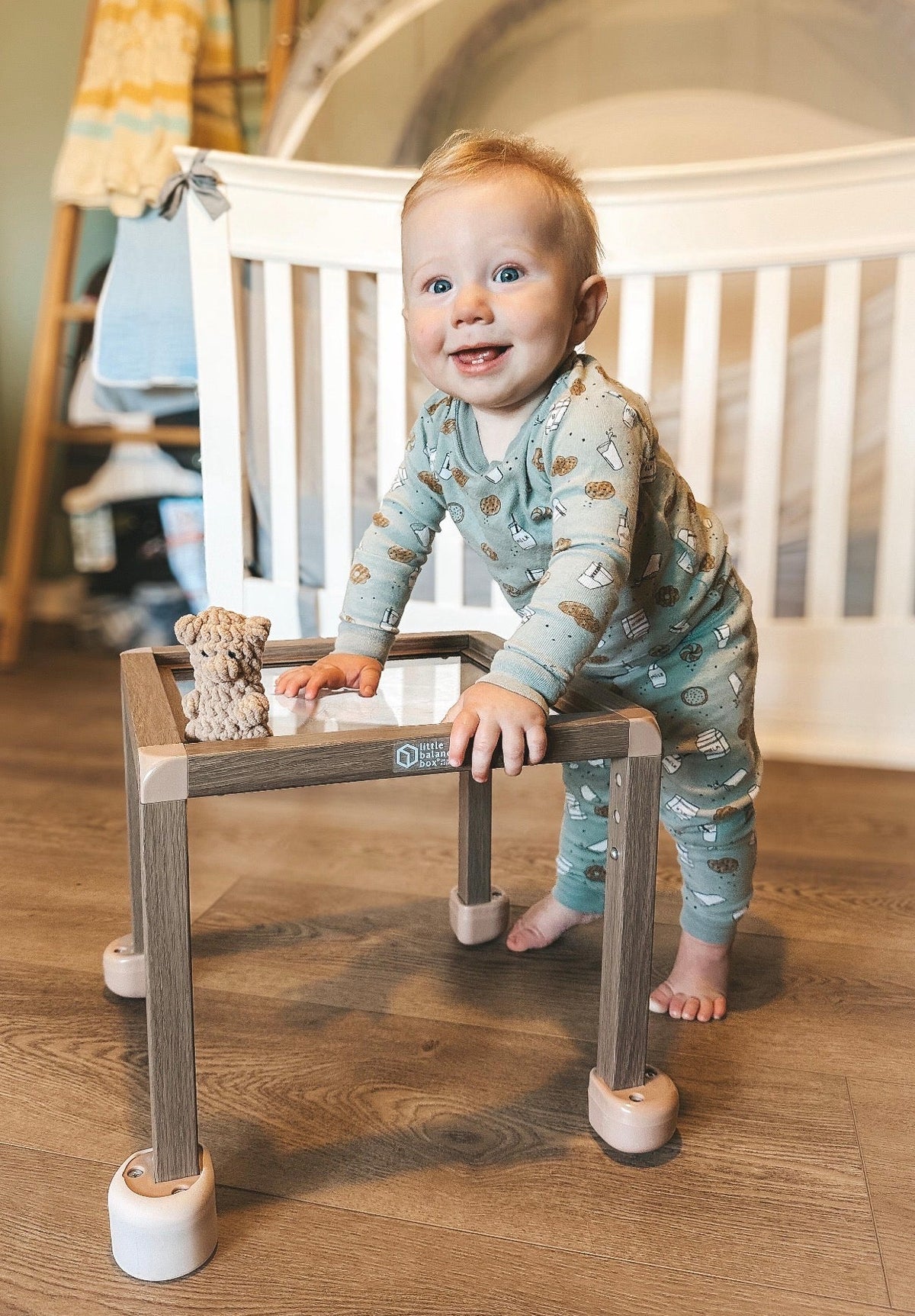
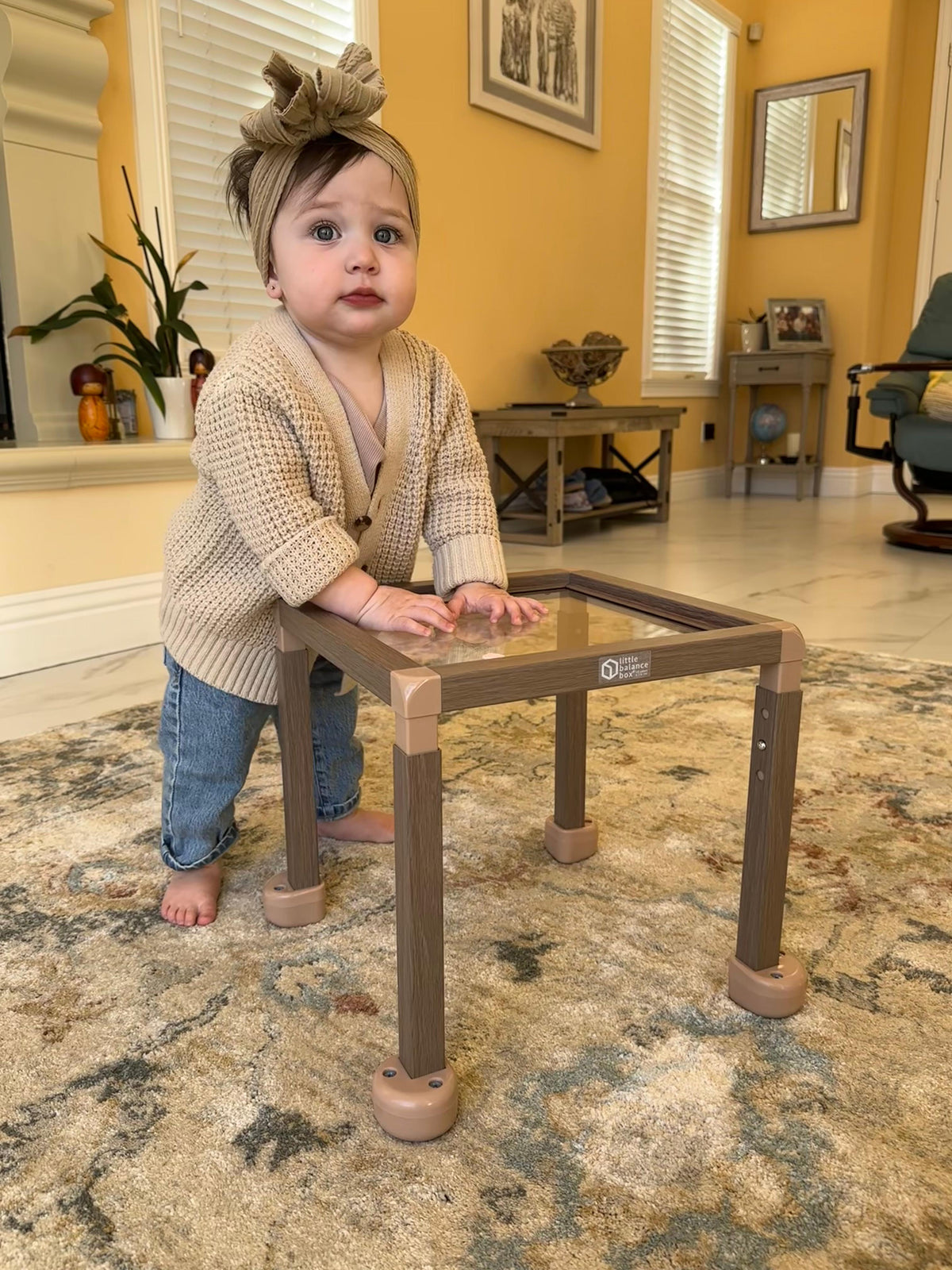
As children grow, the Little Balance Box Grow continues supporting development through standing, cruising, and early walking.
Because children control the movement, they can practice at their own pace while building strength, balance, and confidence.
Adjustable Height for Growing Children
As your child grows taller, the Little Balance Box Grow grows too.
The adjustable design allows the height to increase by several inches, helping maintain a comfortable and supportive position throughout different stages of development.
This means families can continue using the same tool as their child progresses from early standing to independent walking.
From Walking Tool to Toddler Table
The Little Balance Box Grow doesn't stop being useful once your child starts walking.
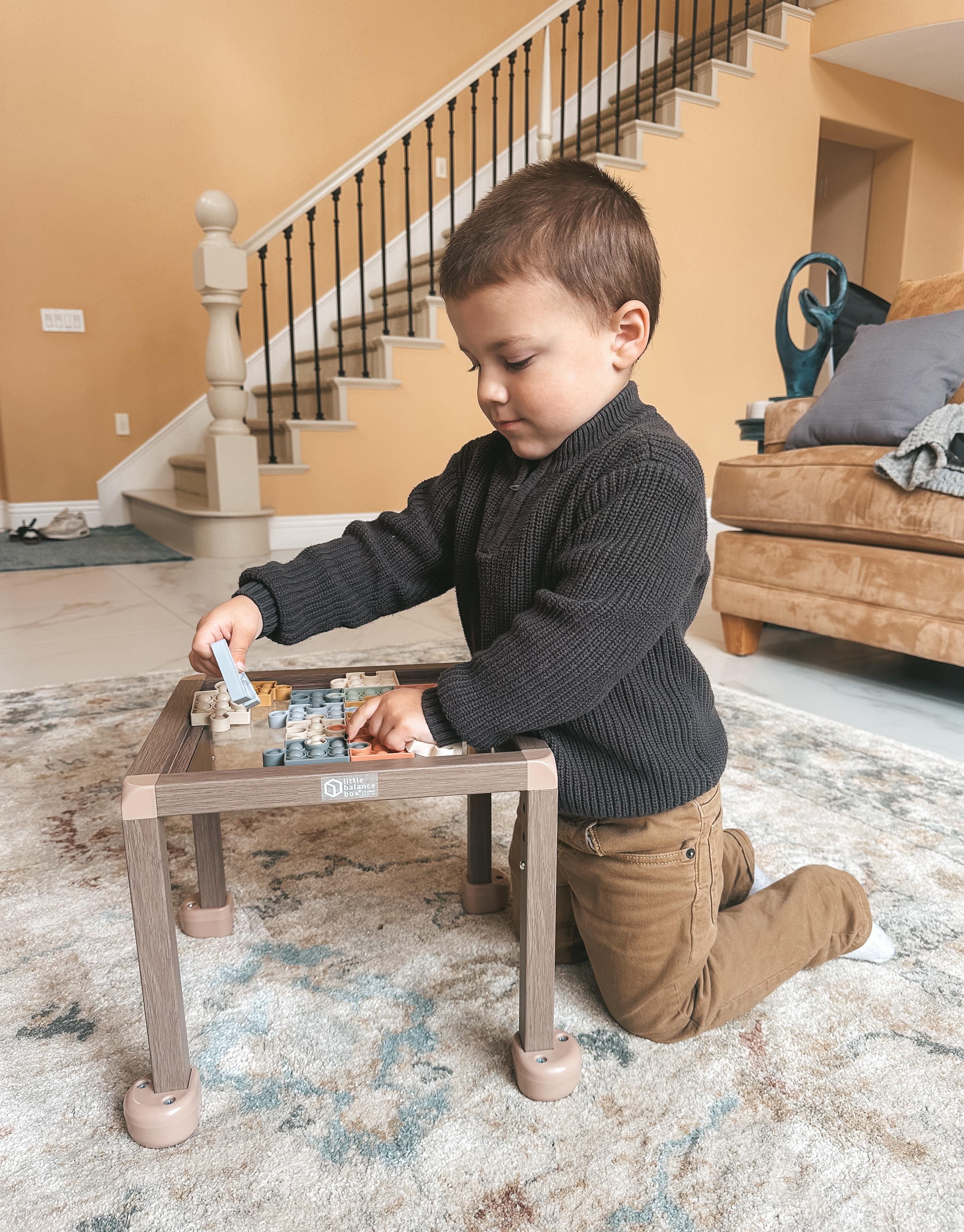
As mobility skills develop, it transitions into a toddler table that can be used for:
• Arts and crafts
• Sensory play
• Building blocks
• Puzzles
• Everyday activities
Instead of becoming another piece of baby gear that gets stored away, it continues serving a purpose during the toddler years.
Designed for the Entire Journey
The Little Balance Box Grow was designed by physical therapist Dr. Shannon, PT, DPT, to support more than just a single milestone.
From around 6 months through standing, cruising, walking, and beyond, it adapts alongside your child's development.
Because movement matters—and the best developmental tools grow with your child.
Share:
Baby Walker Alternatives Parents Are Choosing Instead
Montessori Push Tools That Support Early Walking