

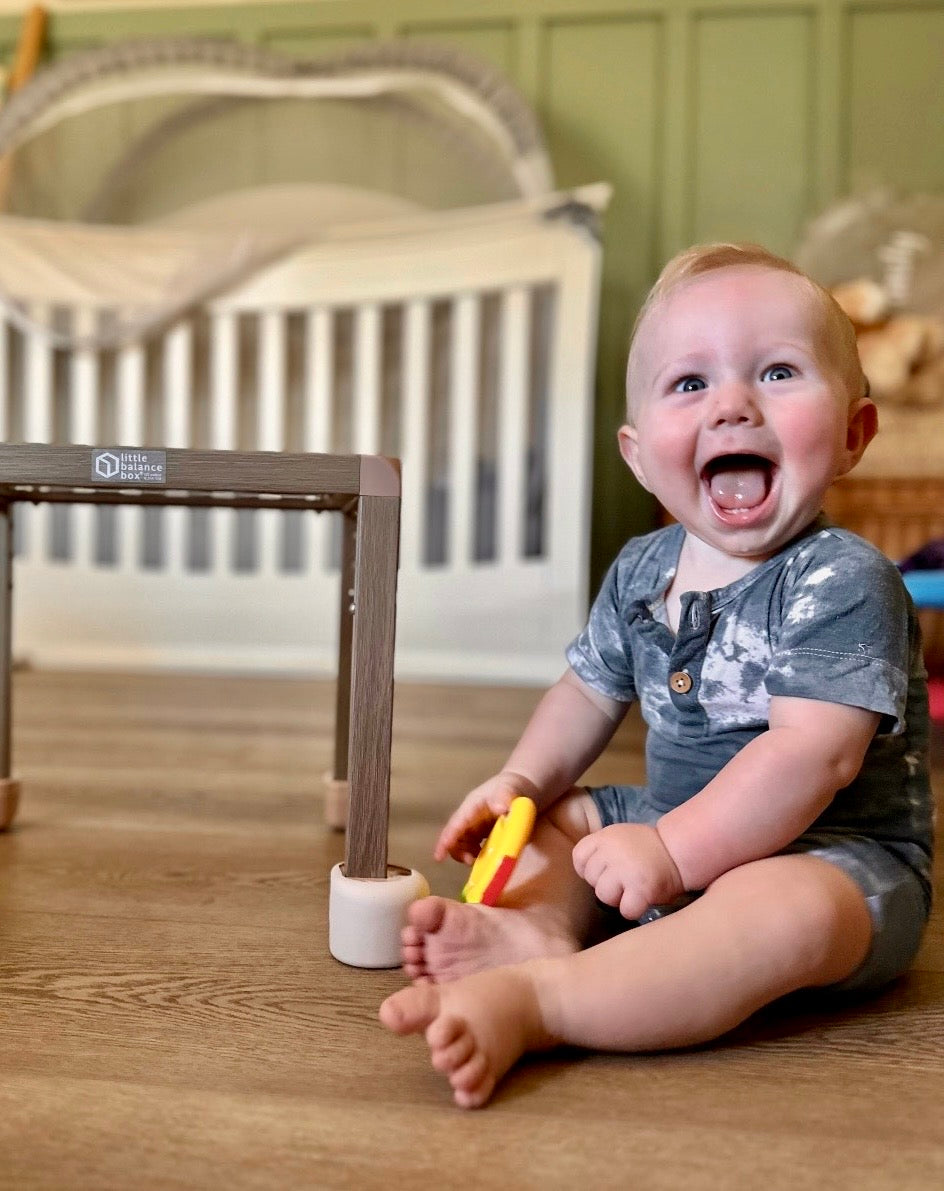
Celebrating Small Wins: Milestones Before the First Step
When we think about walking, we usually picture one big moment: the first step. But that moment is the result of many smaller milestones that come before it. Each one builds strength, balance, and confidence, and each one is worth celebrating.
If your child isn't walking yet, they may already be doing a lot of important work. From lifting their head during tummy time to pulling up on a stable surface, these small wins are all part of their developmental journey.
Why the Small Milestones Matter
Walking doesn't happen overnight. children gradually develop the strength and coordination needed to move from the floor to an upright position and eventually take independent steps.
Although babies reach milestones at different ages and may follow slightly different paths, many progress through skills such as sitting, moving around on the floor, pulling to stand, cruising along furniture, and eventually walking. Some children skip crawling altogether, and that's okay, too.
Each stage provides opportunities to practice the skills needed for the next. Instead of waiting for the one big milestone, noticing the smaller ones can help you appreciate your child's progress and feel more confident along the way.
The Small Wins to Celebrate
Lifting their head during tummy time. Building neck and upper body strength is one of the earliest steps toward later movement.
Rolling over. Rolling helps babies learn to shift their weight, coordinate their bodies, and move with purpose.
Sitting up. First with support, then on their own. Sitting builds core strength and balance, which are important for standing later.
Getting moving. Some children crawl, scoot, or roll to get around, and some skip crawling altogether. However they move, they're learning to coordinate their bodies and explore their surroundings.
Bearing weight on their legs. When babies begin pushing through their feet during supported standing, they're exploring a new position and building familiarity with bearing weight through their legs.
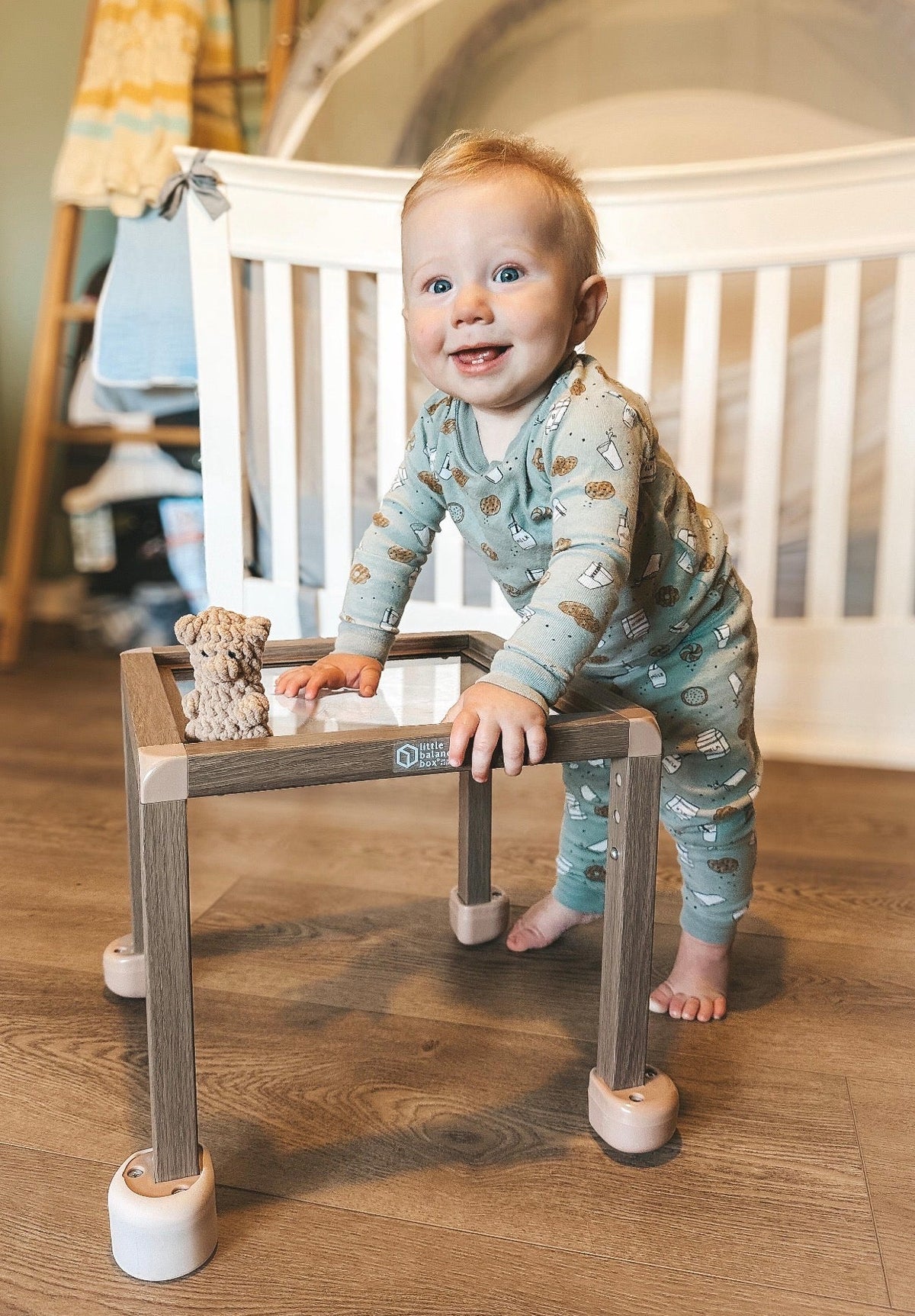
Pulling to stand. This is a big one. Pulling up on a stable surface involves coordinating the arms, trunk, and legs to move from a lower position toward standing.
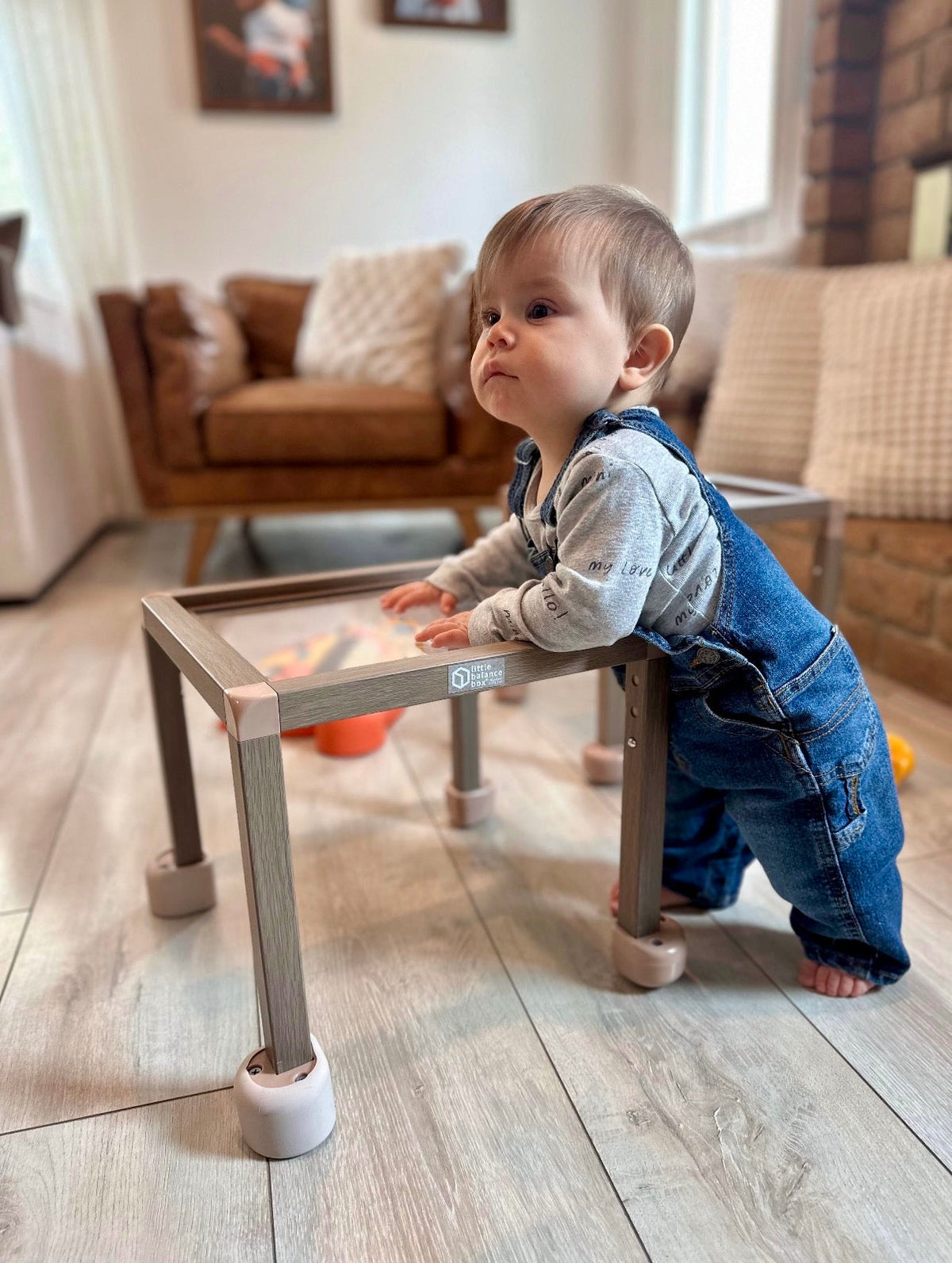
Leaning and pushing through their arms. Before children can stand upright independently, they need opportunities to support themselves through their arms. You might notice your child leaning forward with their forearms on a surface before progressing to supporting themselves on their hands. These movements help them practice upper-body stability, core strength, and coordination.
Balancing while standing. Standing while holding on, shifting weight from side to side, or letting go for a brief moment all help children practice staying upright.
Cruising. Moving sideways along furniture while holding on helps children practice stepping and shifting their weight.
Standing or stepping briefly without support. Those first few seconds of independence are a milestone in themselves, even before true walking begins.
How to Celebrate Without Pressure
A few simple ideas can help you support your baby's development along the way:
-
Cheer for effort, not just results. Celebrate when your child tries a new movement, even if they don't master it right away.
-
Capture the little moments. Take a quick photo or note the date when you notice a new skill.
-
Offer plenty of safe floor time. Give your child opportunities to move freely, explore, and practice different positions.
-
Follow their lead. Let your baby's interests guide play and allow them to progress at their own pace.
-
Focus on your baby's progress. Every child develops differently, so try not to compare their timeline with another child's.
How the LBB Intentionally Supports Each Milestone
The Little Balance Box gives little ones the opportunity to practice these small wins. Here's how it can fit into your little one's journey.
Pulling to Stand: With the LBB and your support, your child can practice pulling up on a stable, low surface. Try placing a favorite toy on top to encourage them to reach.
Building Core Strength: Babies can lean on their forearms or push through their hands against the LBB's flat surface, practicing core strength, shoulder stability, and coordination.
Moving Toward an Upright Position: As children gain strength, they may begin moving their hands farther back on the surface, gradually working toward a more upright position.
Practicing Transitions: The LBB's low height gives children a surface to hold onto as they practice moving from tall kneeling to standing with your support.
The LBB isn't a requirement for learning to walk, but it offers a dedicated surface for supported practice along the way. Always supervise your child during use and follow the product's safety instructions.
Making Room for Movement
The first step is exciting, but it's only one part of a much bigger story. Pulling up, balancing, cruising, and every small moment along the way are all progress. Celebrate them as they happen, and enjoy watching your baby grow and discover each new skill along the way.
Share:
Carrying vs. Floor Time: Finding the Right Balance for Your Baby