
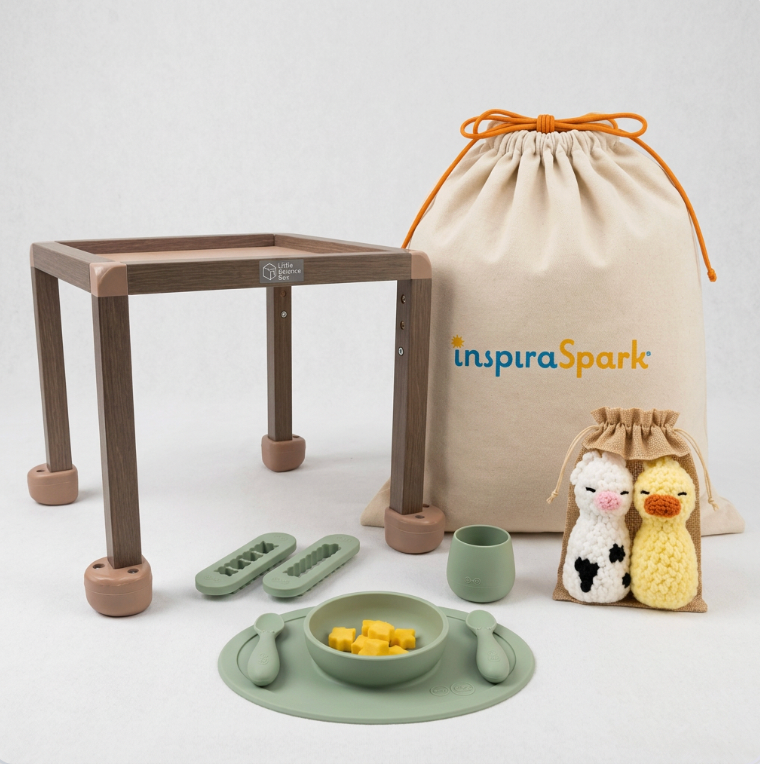
Movement and mealtime might seem like separate milestones, but they're built on the same foundation. Meet the experts behind the Little Balance Box® and ezpz®, and see how the two brands are coming together to support your child's growing world.
InspiraSpark Updates
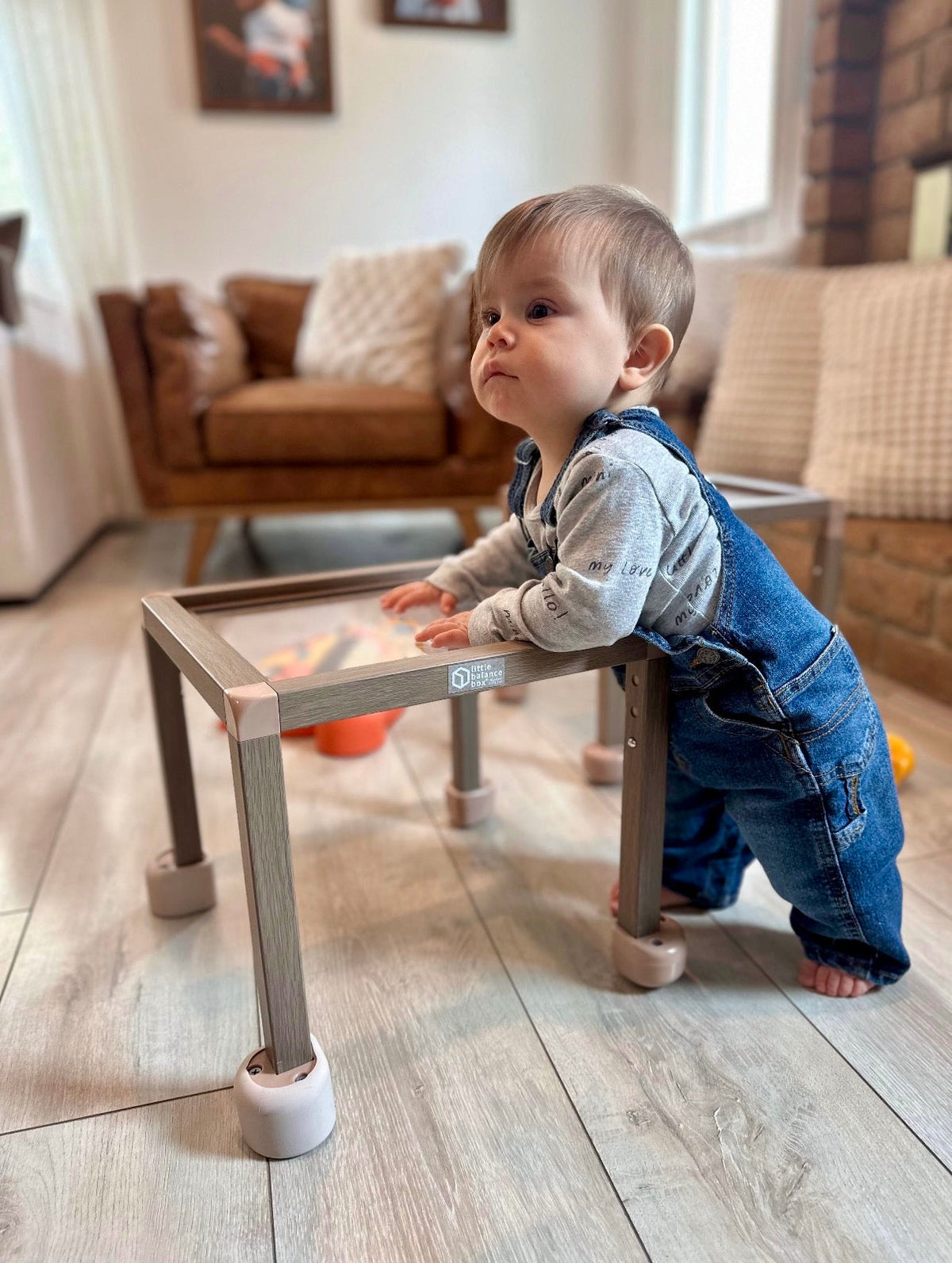
Carrying vs. Floor Time: Finding the Right Balance for Your Baby
Discover why free movement is important for your baby's development, how to make time for practice throughout the day, and simple ways to support your baby's walking journey through everyday movement and exploration.
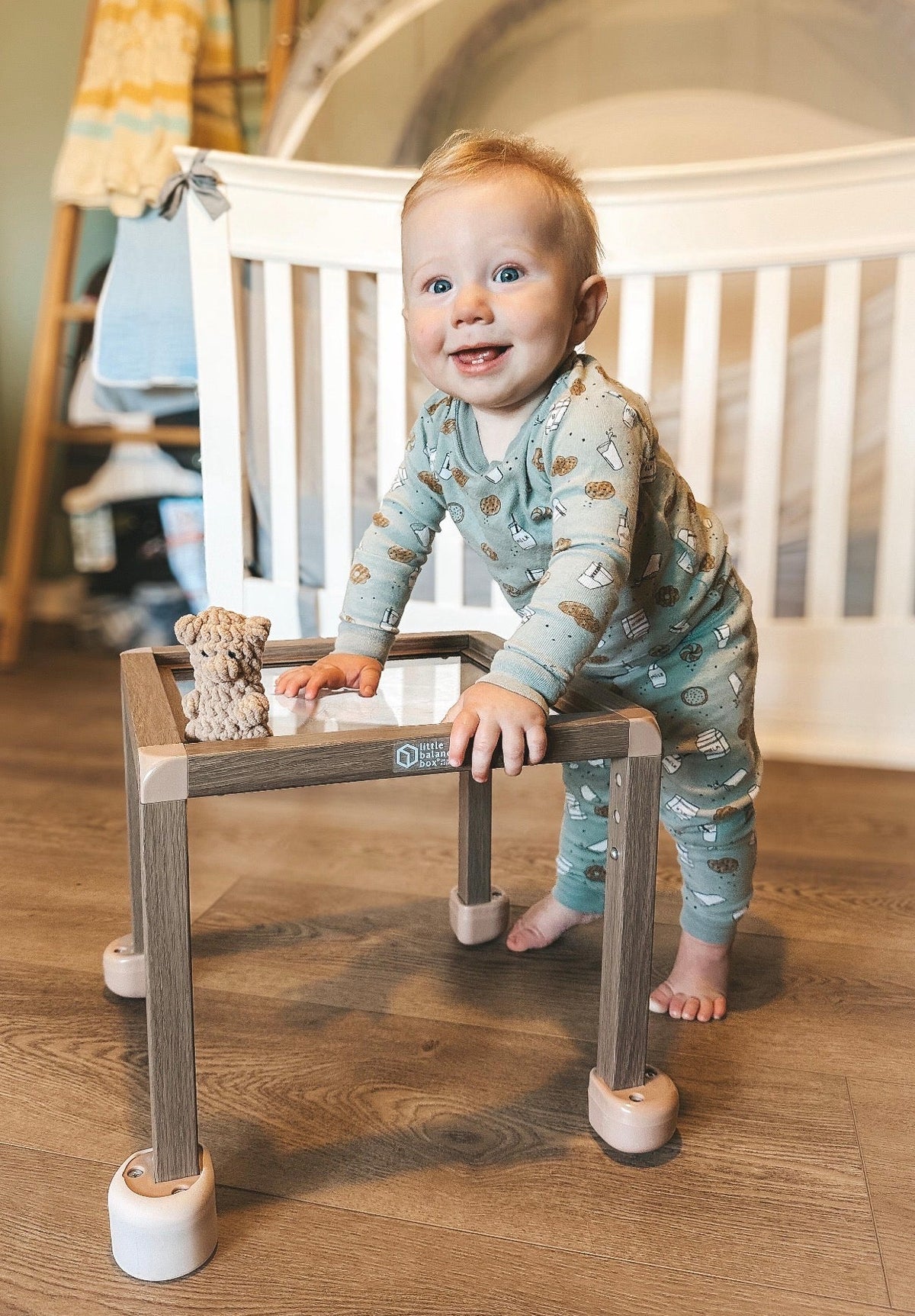
The Role of Motivation in Learning to Walk
Why do some babies take off walking while others wait a little longer? More often than not, it comes down to motivation. Discover what drives babies to take those first steps — and how you can encourage it, without the pressure.
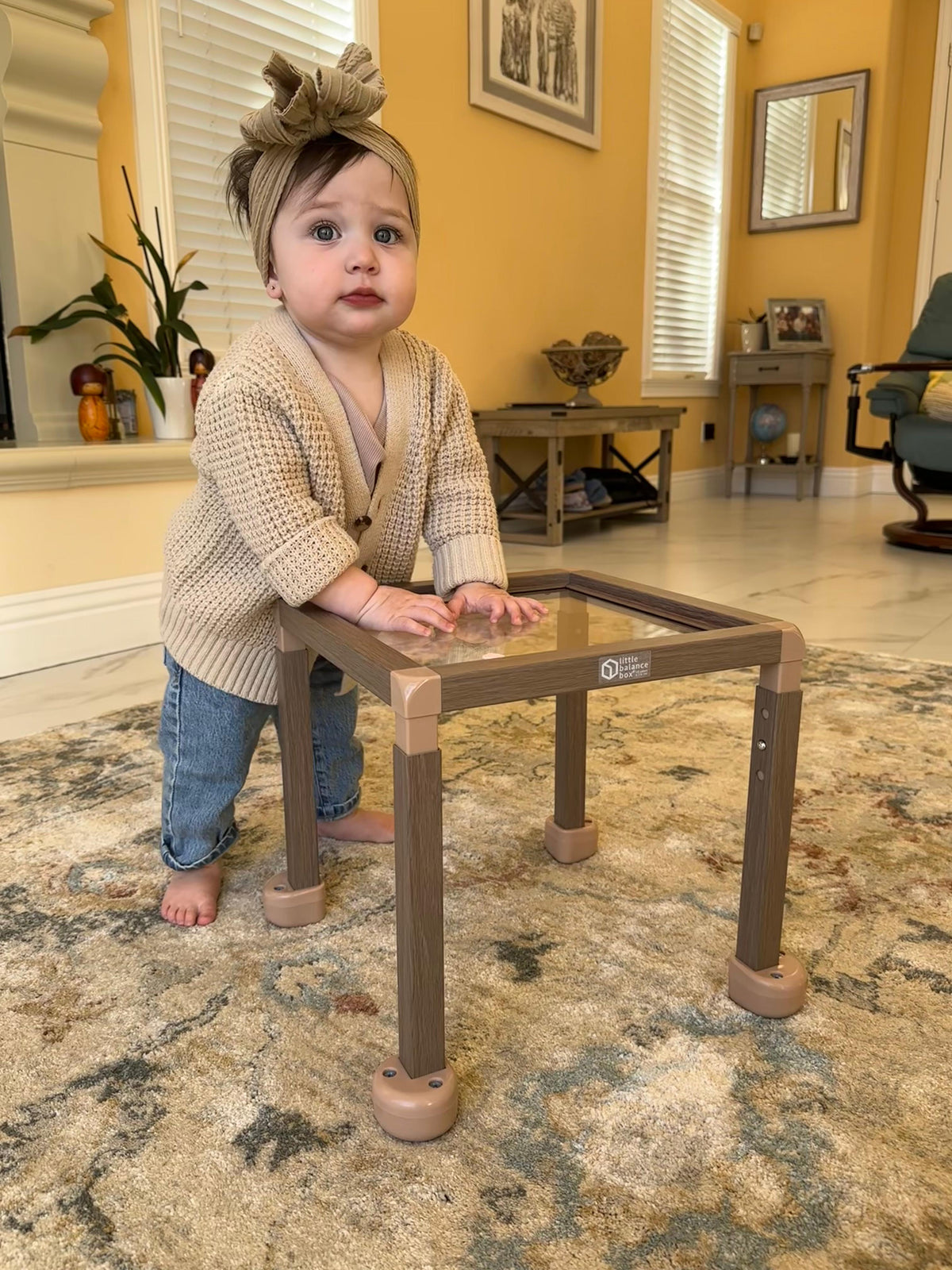
Why Babies Fall While Learning to Walk (And Why It’s Actually a Good Thing)
Discover why little tumbles are a normal part of learning to walk, how falling helps babies build balance and coordination, and how parents can create a safe space while encouraging confidence along the way.
What Does "Montessori Toy" Actually Mean? A Parent's Guide
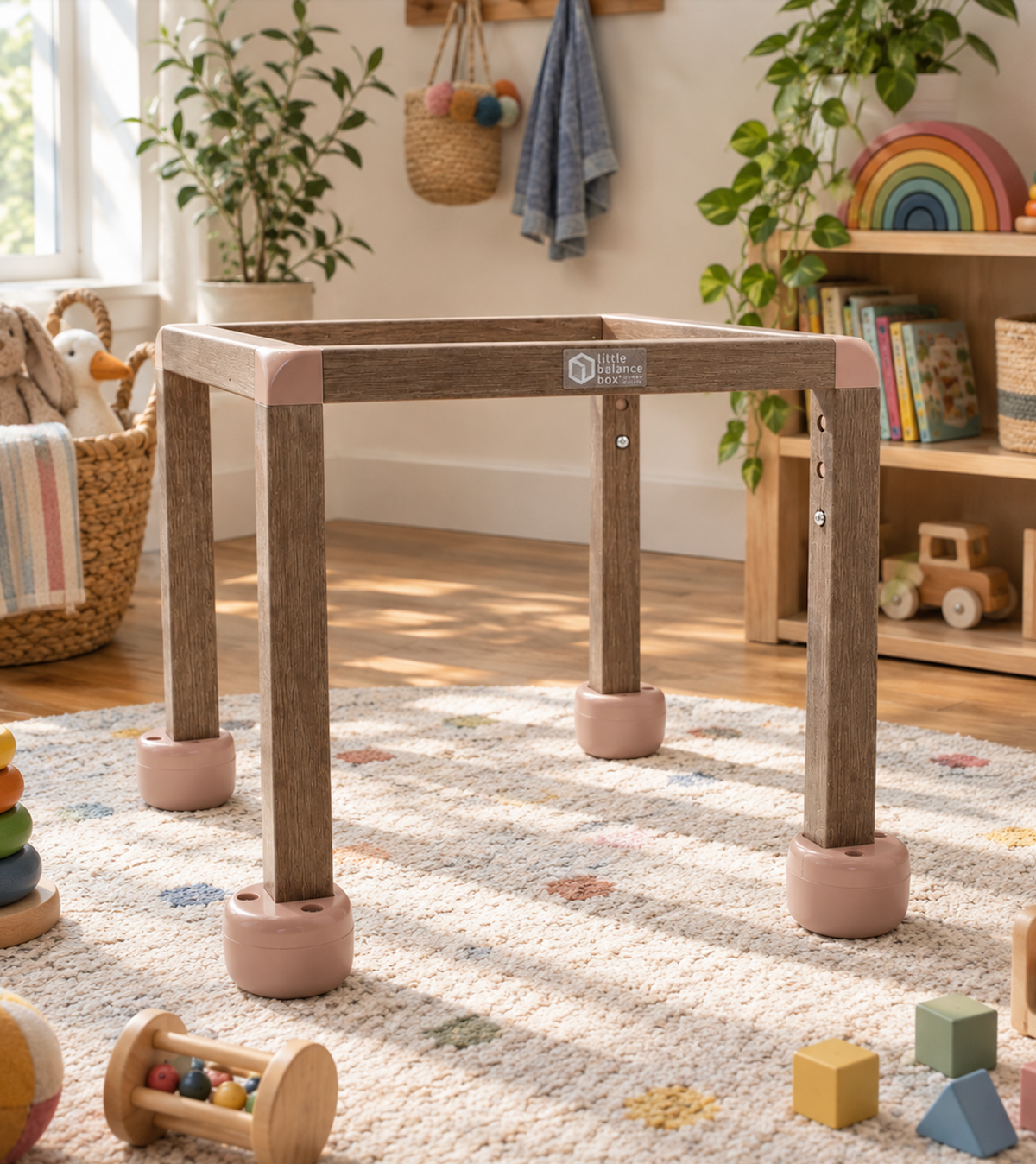
Wondering what “Montessori toy” really means? This guide breaks down the principles behind the label and shares simple questions to help you choose toys that encourage independence, creativity, and child-led play. We’ll also explore how the Little Balance Box fits into a Montessori-aligned approach.
Why the Early Years Matter So Much: Helping Your Baby Explore, Talk, and Move
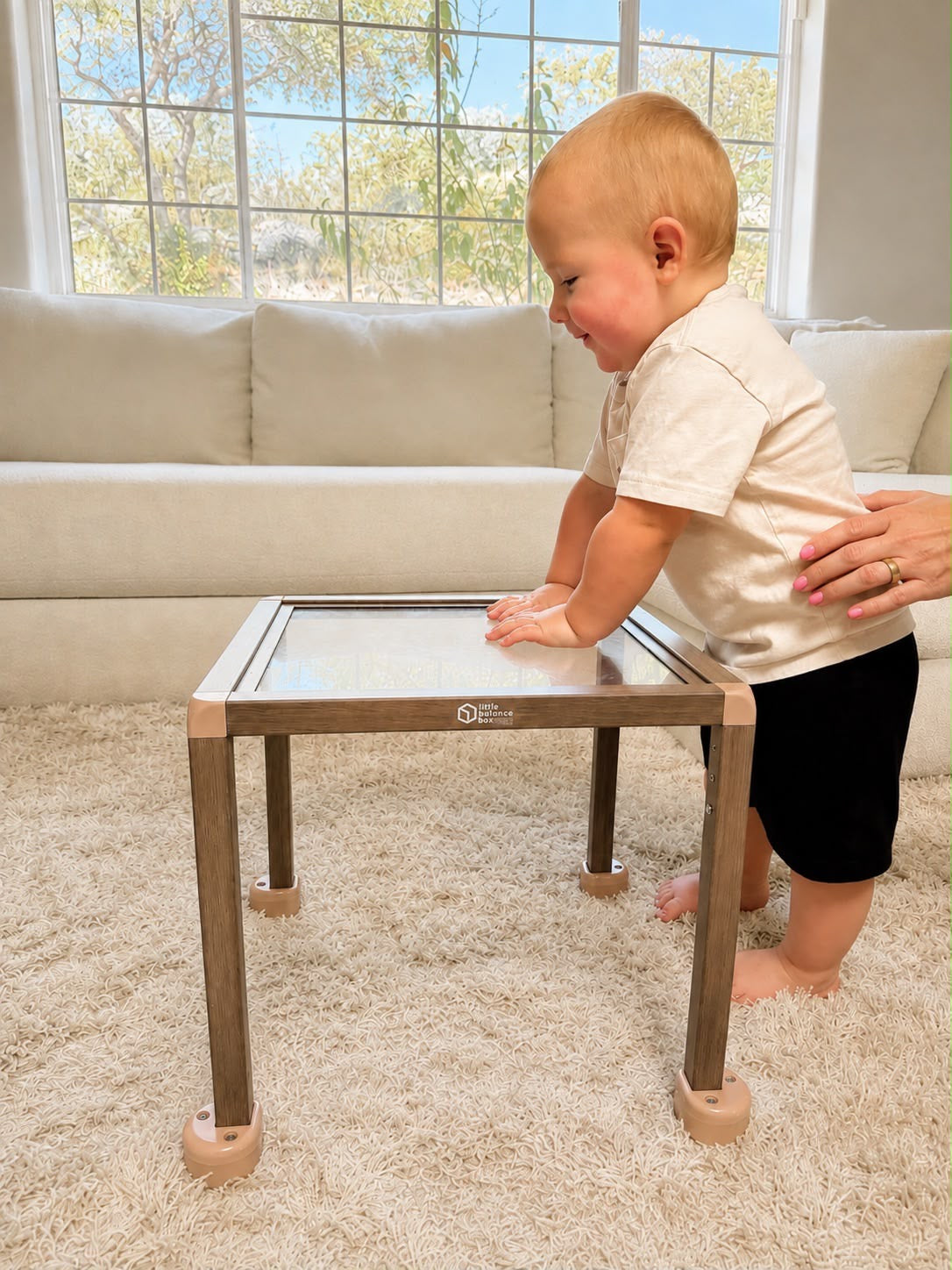
Your baby's brain is building the connections that shape a lifetime of learning — and that includes physical milestones like walking. Here's why being an active, hands-on part of that journey matters more than simply waiting for it to happen on its own.
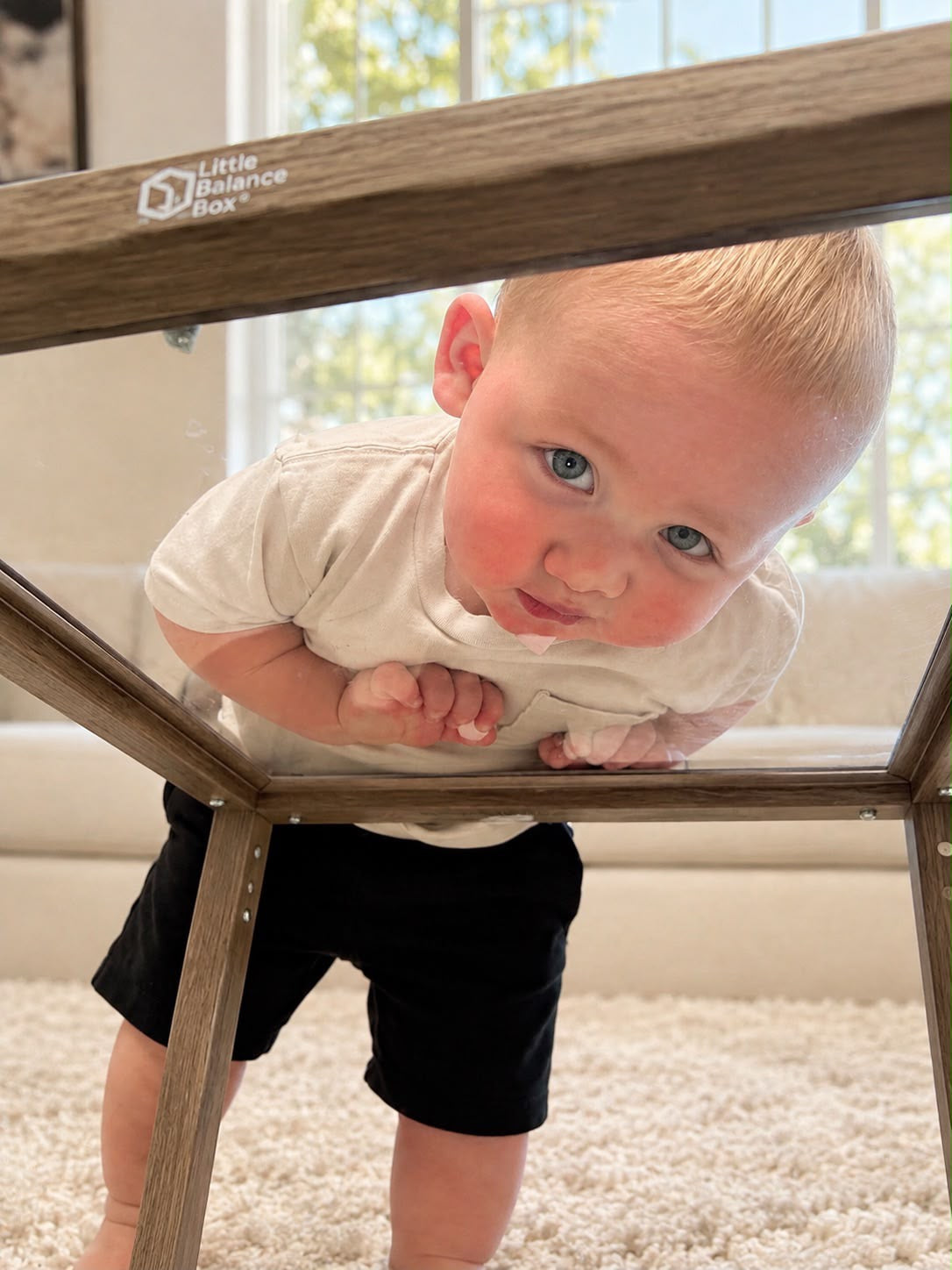
Back-to-school season is busy, but your baby’s walking practice doesn’t need to be perfect. Discover how a few short, supervised moments throughout the day can help support movement, balance, and those exciting first steps.
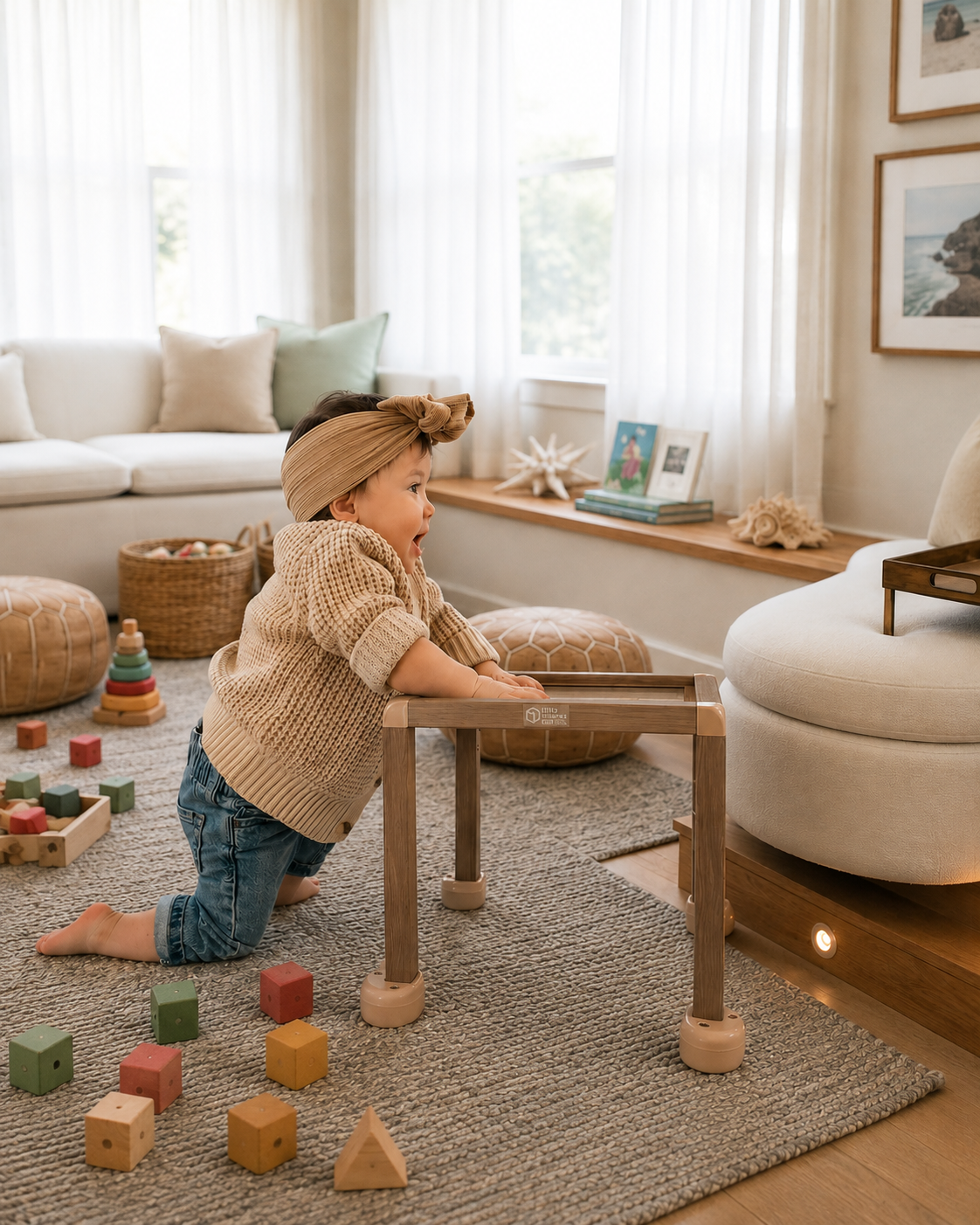
Open-Ended Toys vs. Battery-Operated: What the Research Says
Not all toys are created equal. New research shows open-ended toys — the simple ones without lights, sounds, or buttons — do more for a child's language, imagination, and problem-solving than their battery-operated counterparts. Here's what the studies actually say, and how to choose toys that let your child do the engaging.
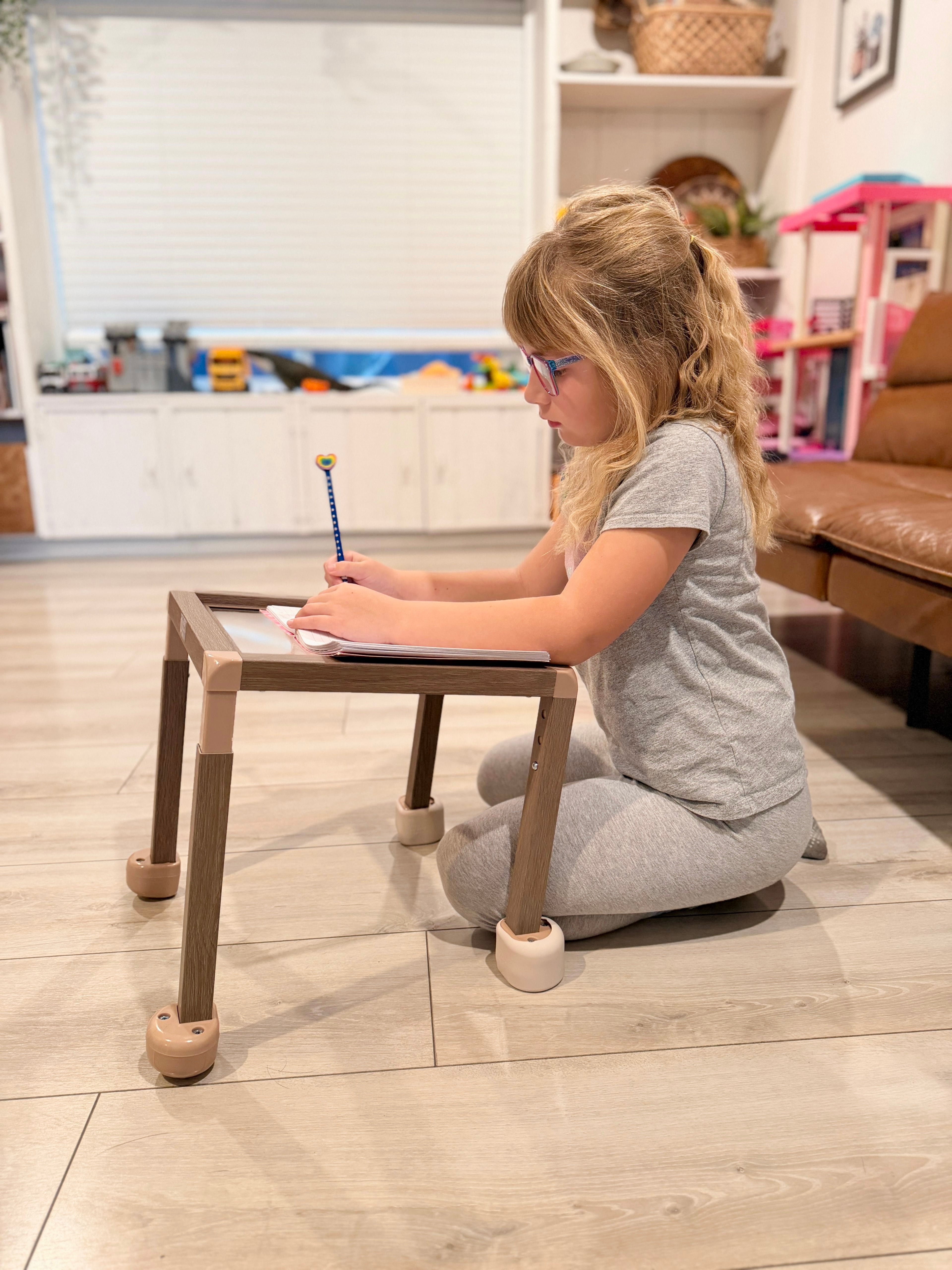
From First Steps to Toddler Table
The best baby gear grows with your child. Discover how the Little Balance Box Grow supports early walking development before transitioning into a toddler table for creative play, learning, and everyday activities.