

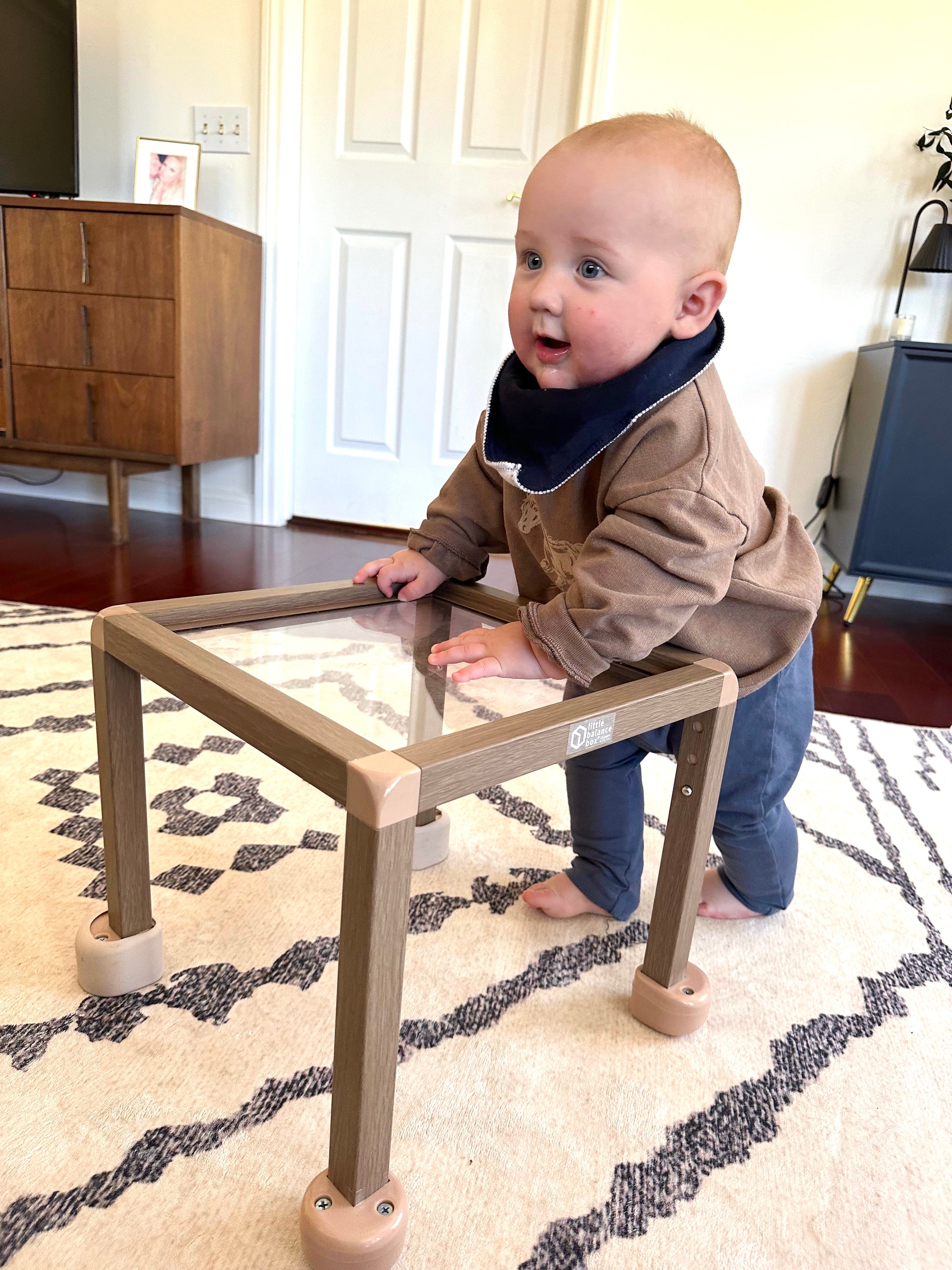
Why Parents Are Searching for Baby Walker Alternatives
For decades, baby walkers were marketed as tools that could help children learn to walk faster.
However, many parents today are looking for alternatives that encourage natural movement development.
Instead of devices that move children for them, many developmental specialists recommend tools that allow children to practice balance and stepping on their own.
The Problem With Traditional Walkers
Traditional walkers can sometimes limit natural movement practice.
When children are supported in a seated device, they may miss opportunities to develop important skills like:
• Weight shifting
• Balance control
• Core stability
These skills are essential for independent walking.
What Makes a Good Walker Alternative
A good alternative should encourage children to:
• Stand independently
• Shift their weight naturally
• Practice stepping forward
• Explore movement safely
Push-based walking tools often meet these developmental goals.
A Physical Therapist–Designed Alternative
The Little Balance Box Grow was designed by physical therapist Dr. Shannon, PT, DPT, to support early walking development.
Rather than moving children automatically, it encourages children to:
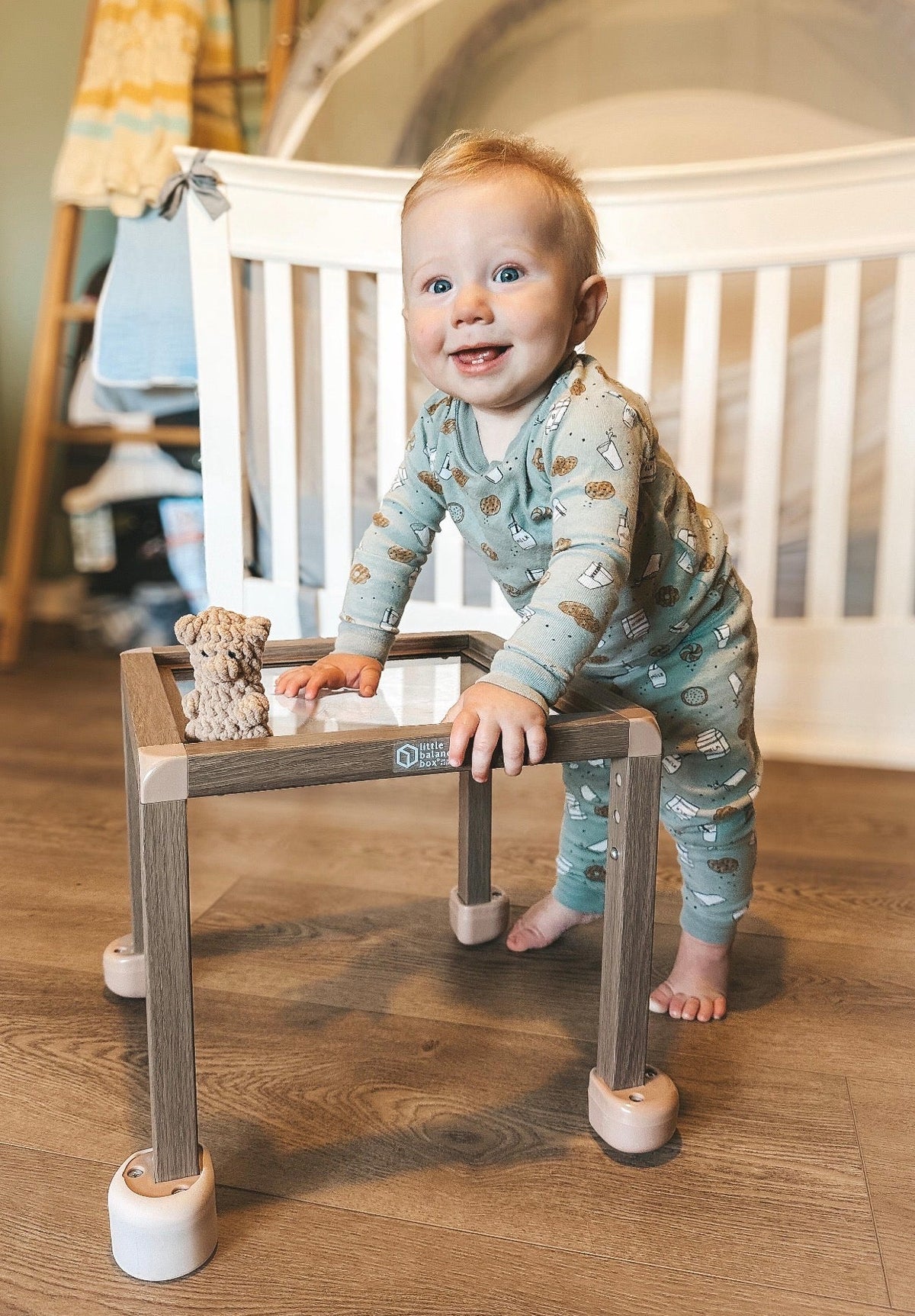
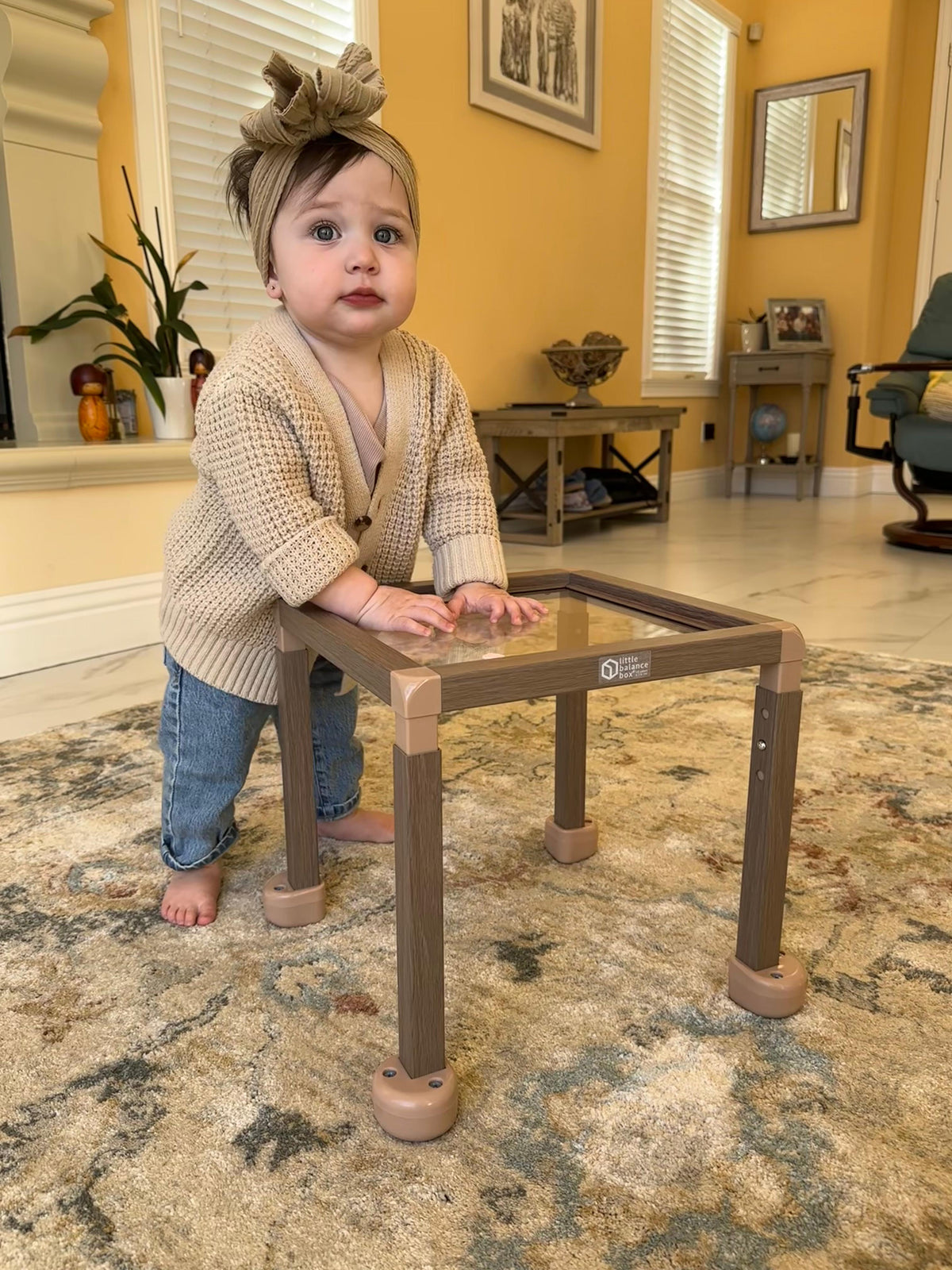
• Push while standing
• Practice balance during movement
• Build coordination and confidence
Because the child controls the movement, they develop walking skills through natural exploration.
When Parents Introduce the Little Balance Box Grow
Many families begin using the Little Balance Box Grow when their child:
• Pulls up to stand
• Cruises along furniture
• Begins experimenting with early steps
This stage is ideal for practicing balance and walking skills.
Supporting Your Child’s Walking Journey
Every child develops at their own pace.
Providing opportunities for movement, exploration, and balance practice can help children build the confidence needed for independent walking.
Developmentally inspired tools like the Little Balance Box Grow can support this process while keeping play engaging.
Share:
Why Physical Therapists Designed the Little Balance Box Grow for Early Walking Development
How the Little Balance Box Grow Grows With Your Child