

Why the Early Years Matter So Much: Helping Your Baby Explore, Talk, and Move
It's easy to think of the first few years of life as simply a stage to get through — feedings, naps, milestones checked off one by one. But those early years are also when a child's brain is doing its most important work, building the connections that shape how they learn, move, and understand the world for the rest of their life.
Understanding that can change how you think about the everyday moments with your child — including how involved you choose to be in helping them reach physical milestones like walking, rather than simply waiting for it to happen on its own.
Early Experience Shapes the Brain
At birth, a child's brain already has most of the neurons it will ever have — what it's still building are the connections between them. Those connections are shaped directly by experience. The things a child is exposed to, encouraged to try, and given the chance to practice all play a role in which skills develop and how confidently.
This is part of why the earliest years are considered such an important window. A baby's brain is especially responsive during this stage, which means the input they get — being talked to, being given room to explore, being supported as they try new physical skills — genuinely matters.
Why This Matters for Physical Milestones Like Walking
Talking and reading to your child gets a lot of attention as a way to support development, and for good reason. But physical milestones deserve just as much intentional support. Walking isn't something that simply switches on — it's a skill your child builds through repeated practice, balance, and confidence over time.
That's where being an active participant in your baby's physical development can make a real difference. Rather than waiting for walking to happen entirely on its own, giving your child consistent, supported opportunities to practice standing, balancing, and stepping helps them build the skill with more confidence and consistency.
Give Your Child the Chance to Practice, Don't Just Wait
A few simple ways to be an active part of this stage instead of a bystander:
Get down on the floor with your child. Time spent at their level, encouraging them to reach, pull up, and move, gives them both the motivation and the opportunity to practice.
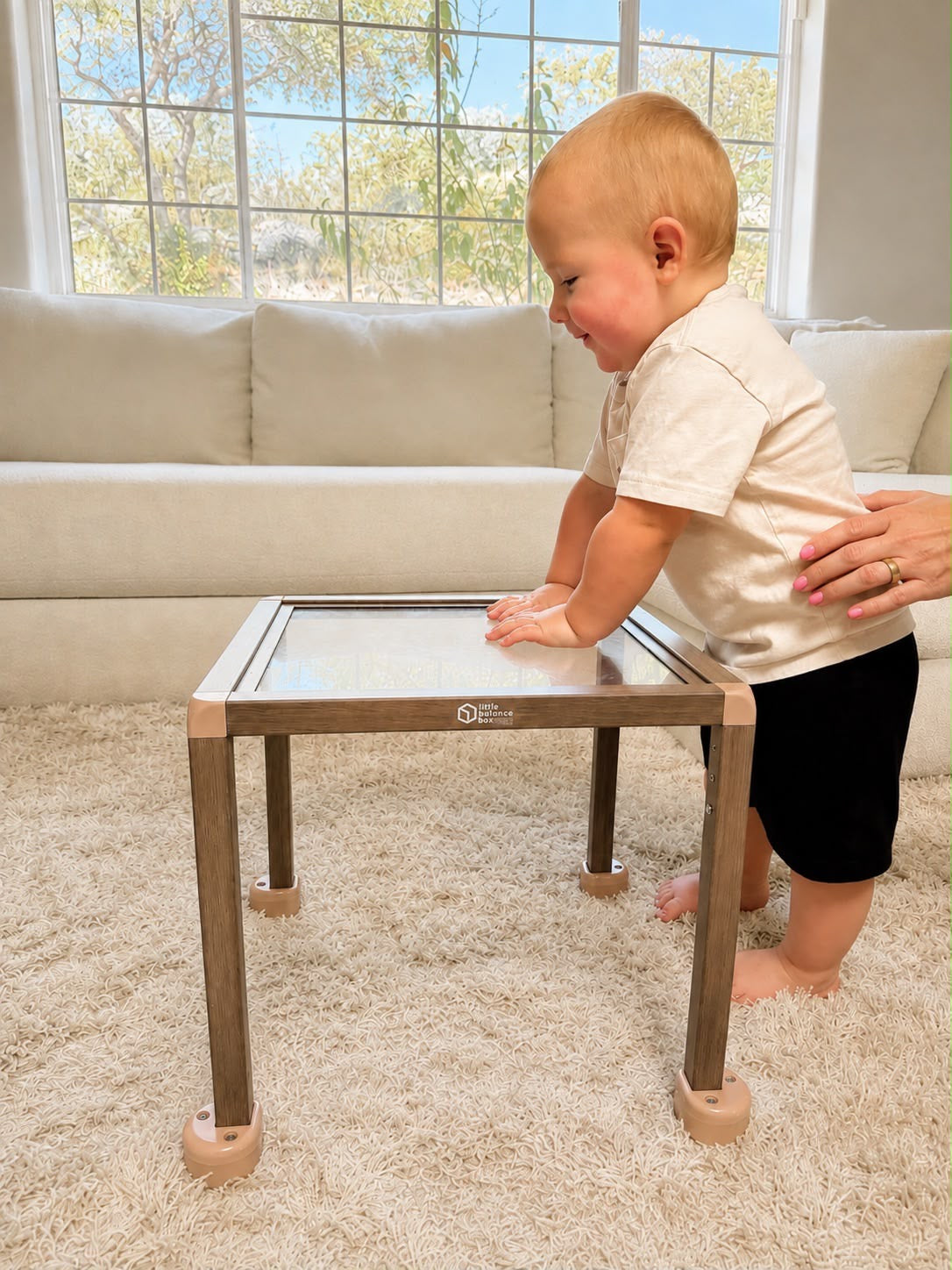
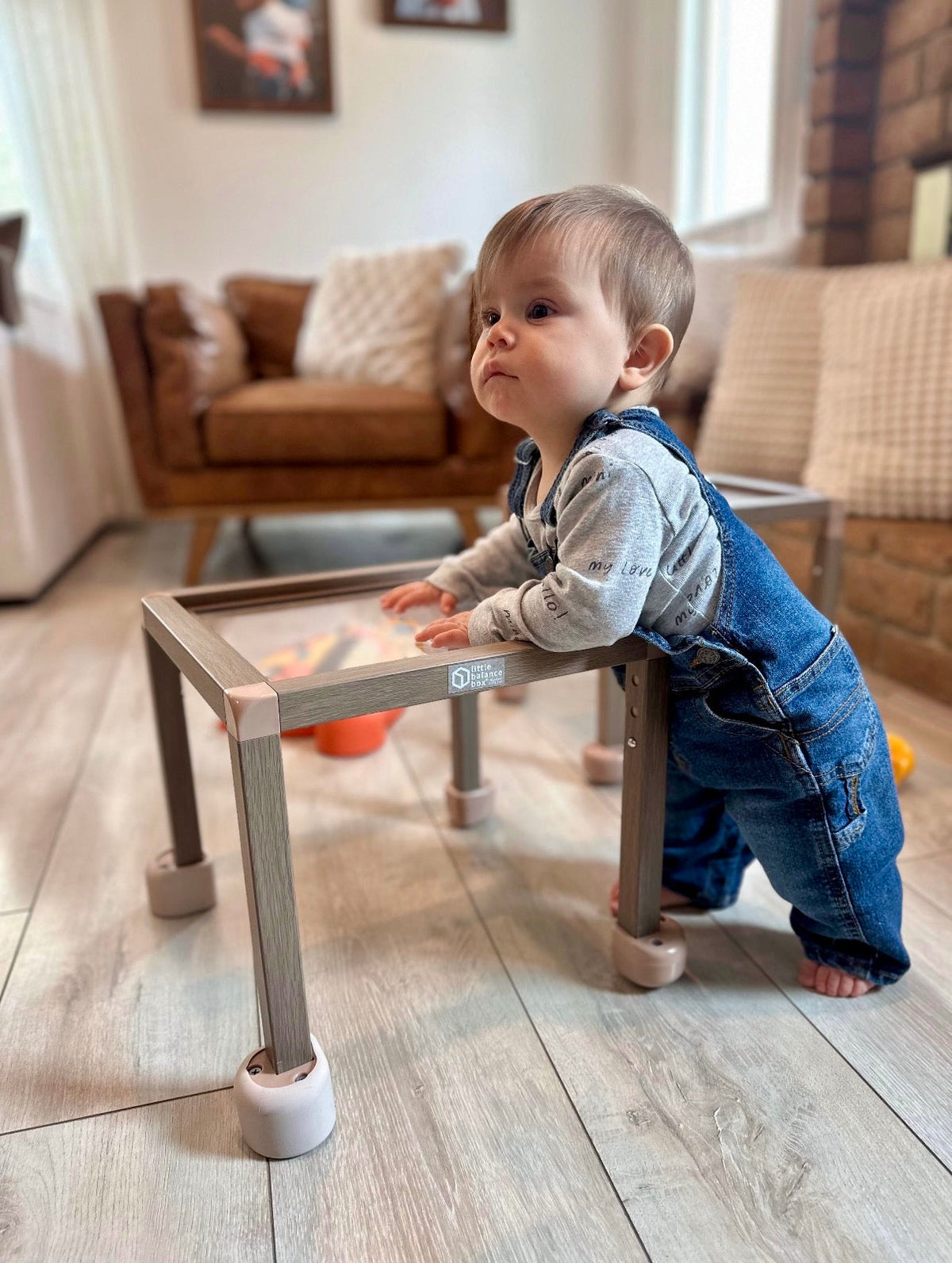
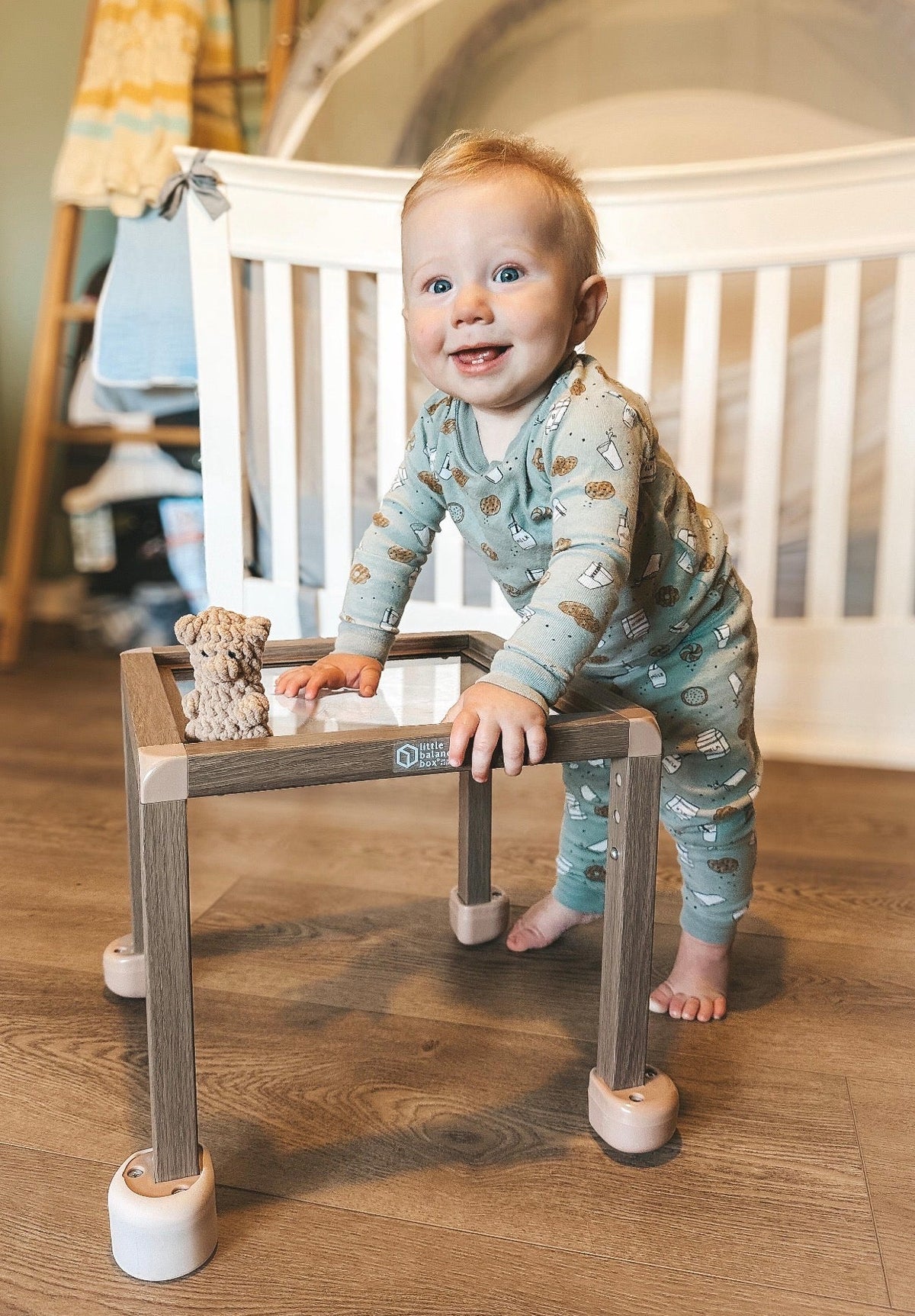
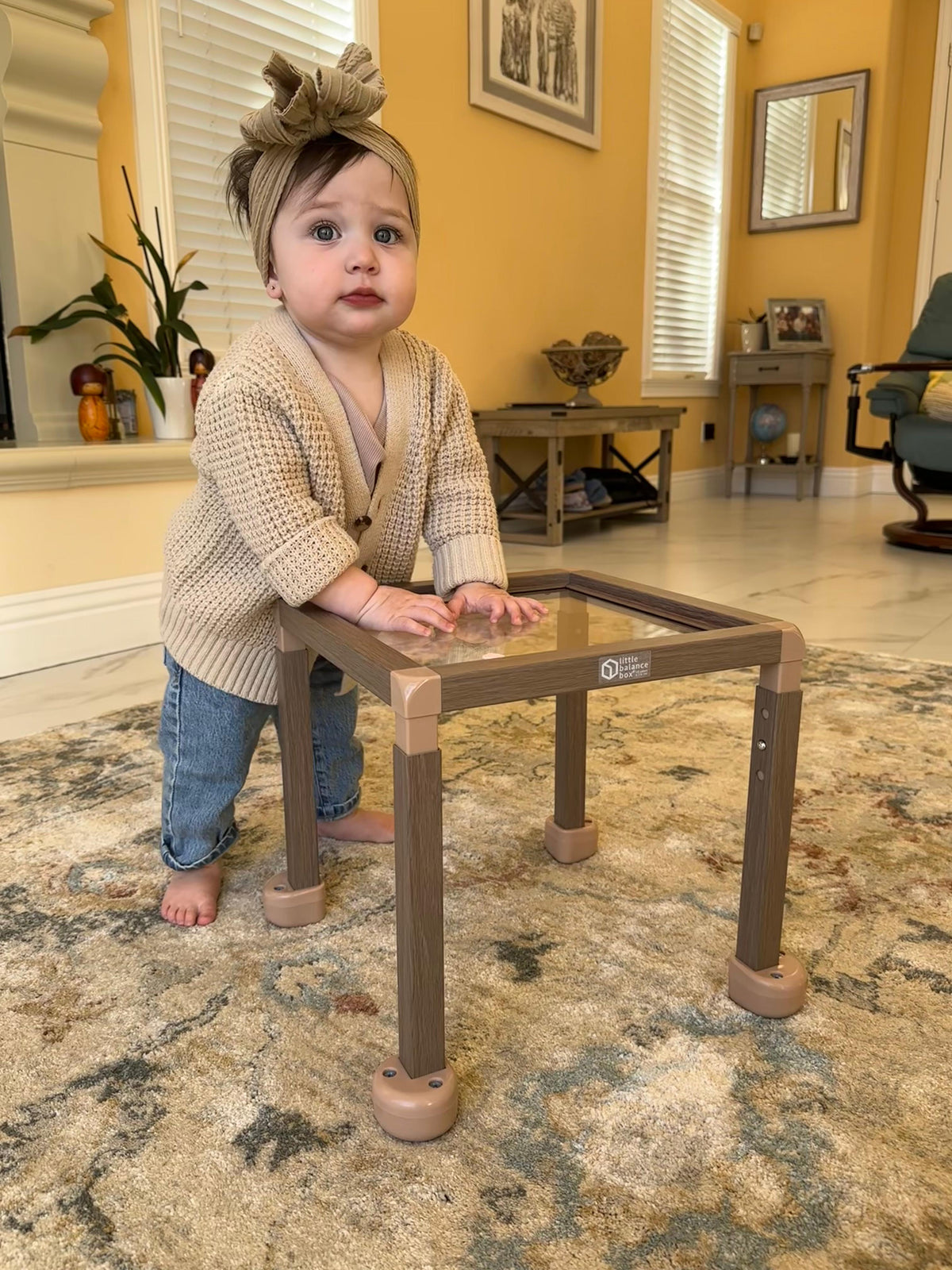
Offer stable support for standing and cruising. Furniture, low tables, and push tools like the Little Balance Box give your child something safe to hold onto while they build strength and balance.
Celebrate effort, not just success. Wobbly steps and near-falls are part of the process — your encouragement along the way matters as much as the milestone itself.
Make practice part of the daily routine. A few consistent minutes of supervised standing, cruising, or walking practice each day gives your child regular opportunities to build the skill.
Where the Little Balance Box Comes In
This is exactly the kind of hands-on support the Little Balance Box was designed for. Instead of leaving walking entirely up to trial and error, it gives your child a stable, supervised tool to actively practice standing, balancing, and stepping — with you right there alongside them. It's built around the idea that babies do their best learning through consistent, supported practice, not by simply waiting for a milestone to arrive on its own.
Being present and involved in this stage is one of the most meaningful ways to support your child as they build the confidence to walk.
The Bottom Line
The early years are a uniquely important time for your baby's development, and that includes physical milestones like walking. You don't need to do anything complicated — just be present, offer support, and give your child consistent chances to practice. Helping your child along the way, rather than leaving it entirely to them, can make this stage feel like something you're building together.
Share:
New Routines, New Steps: Keeping Your Baby's Walking Practice Going During a Busy Back-to-School Season
What Does "Montessori Toy" Actually Mean? A Parent's Guide