

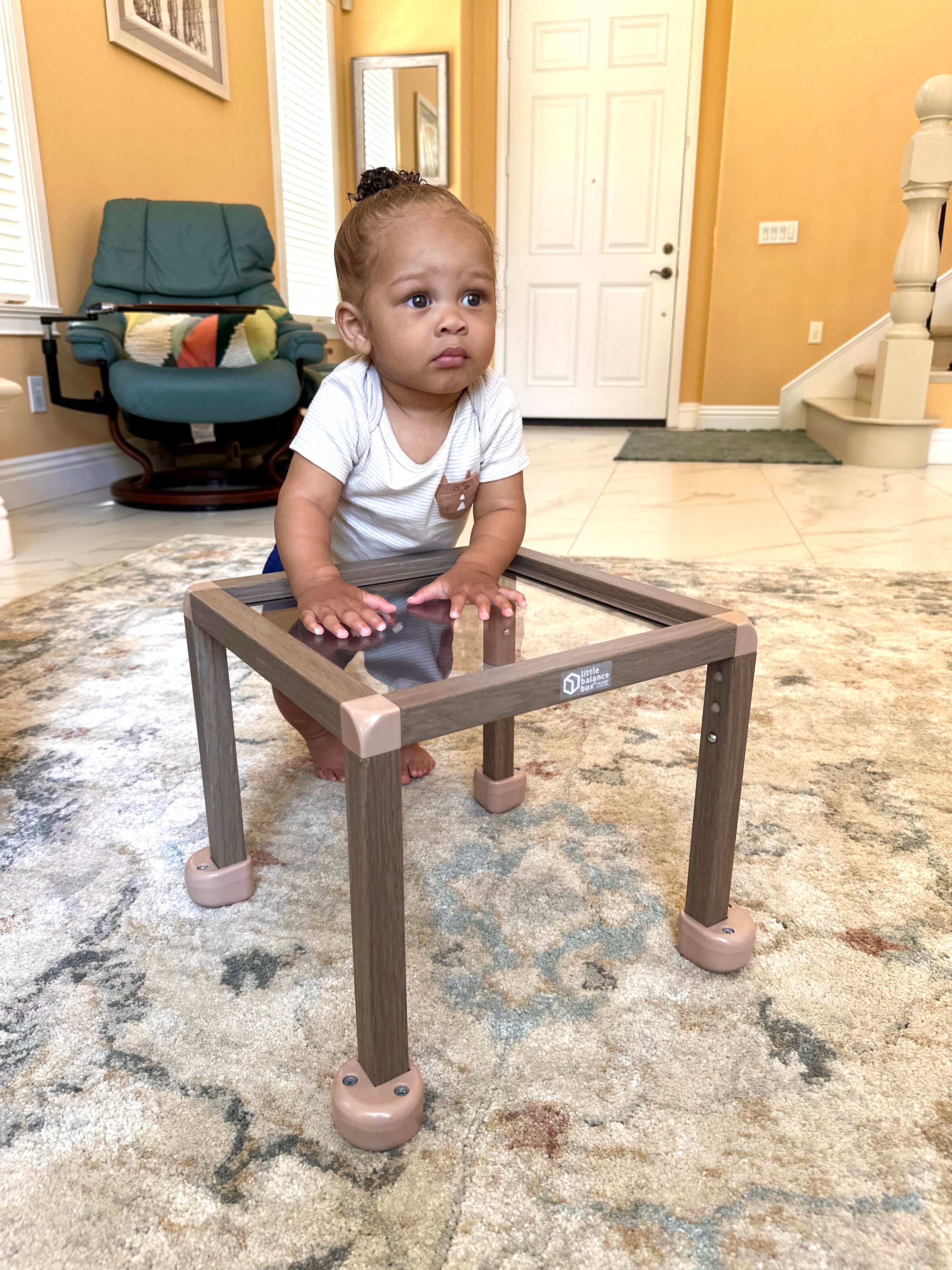
What Helps Children Learn to Walk?
Learning to walk is one of the biggest milestones in early childhood, but it doesn't happen overnight. Before children take their first independent steps, they spend months developing the strength, balance, coordination, and confidence needed for walking.
Every opportunity to move, explore, and practice helps build these foundational skills.
Why Movement-Based Tools Matter
Parents often look for tools that encourage movement because they allow children to practice important developmental skills through play.
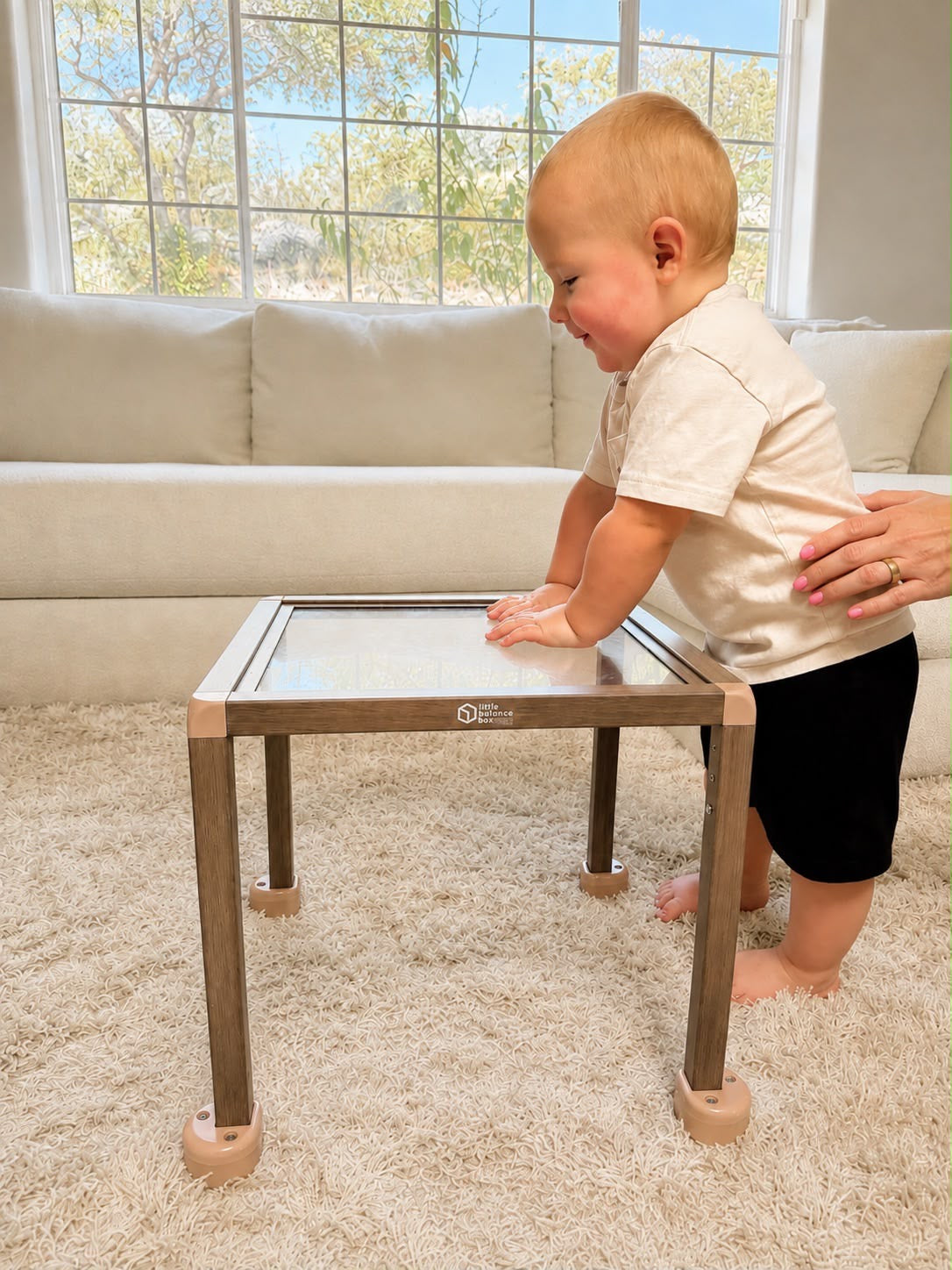
A well-designed walking tool can encourage children to:
• Practice standing
• Shift their weight naturally
• Build balance and coordination
• Explore movement independently
As children gain more practice, they become more confident with each new movement.
How Push-Based Tools Support Walking
Unlike passive baby equipment, push-based tools encourage active movement. As children push forward, they naturally practice stepping, strengthen their legs, and improve the coordination needed for independent walking.
Because children control the movement, they can explore at their own pace while building confidence.
A Tool Designed for the Walking Journey
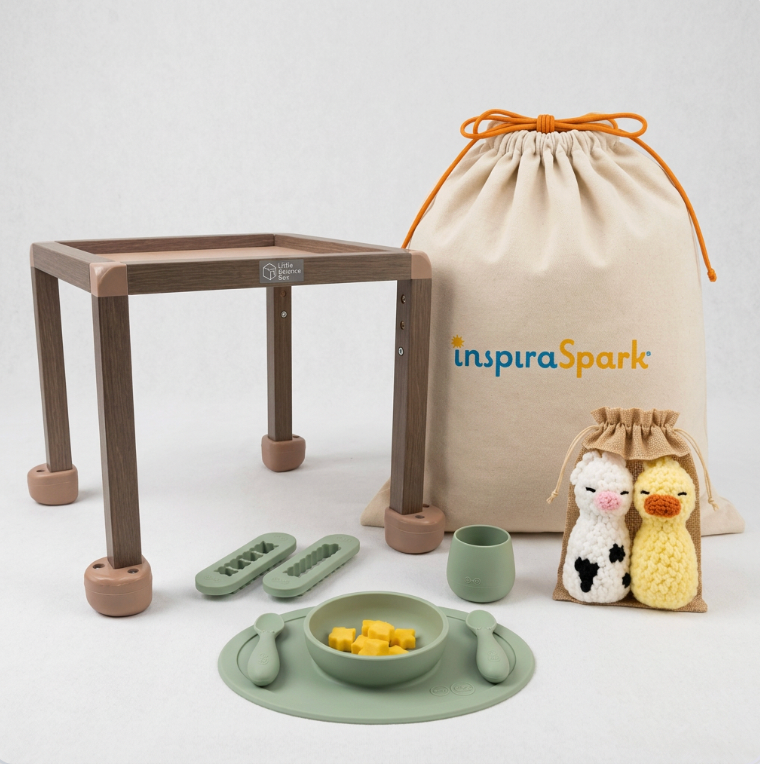
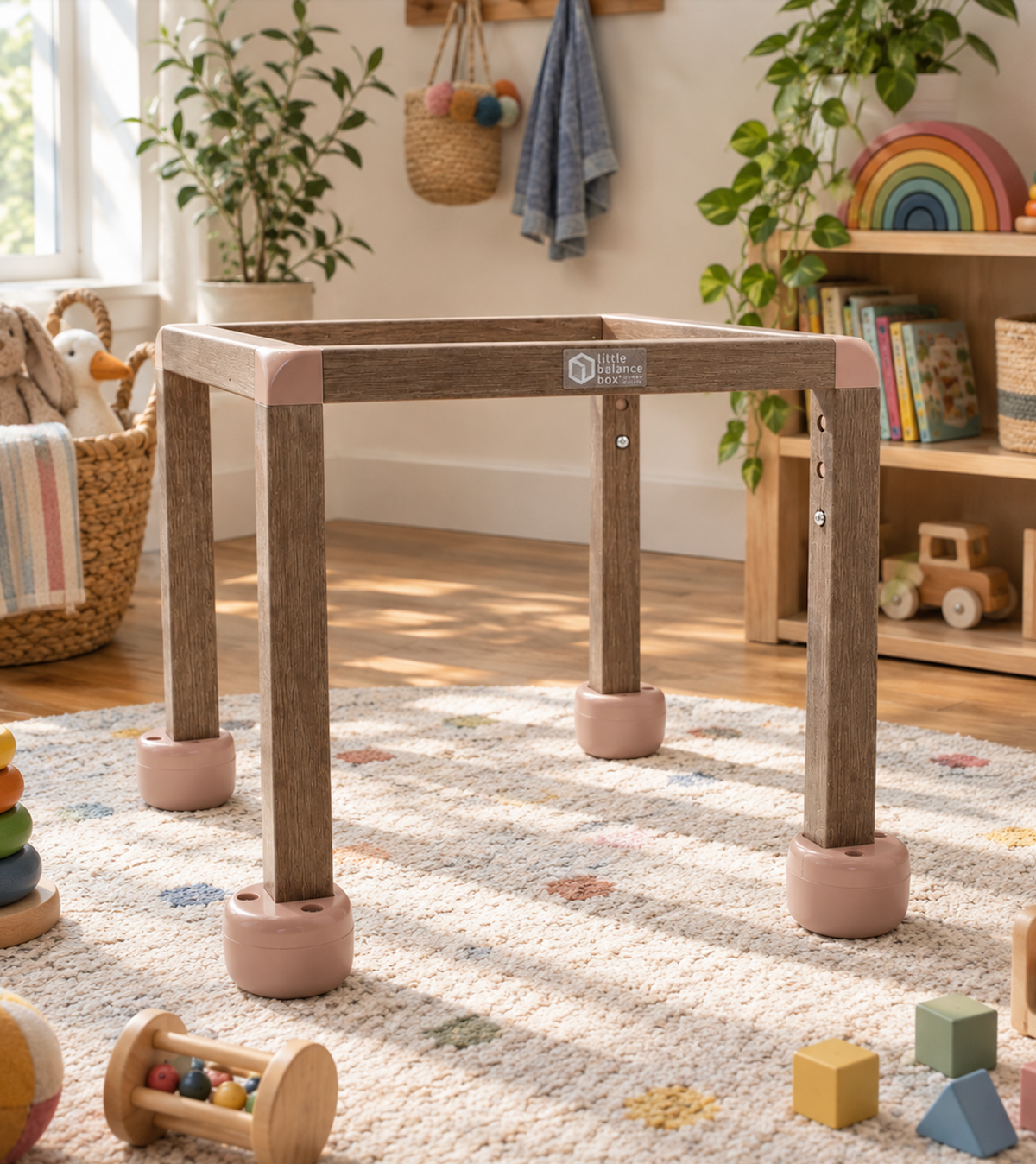
The Little Balance Box Grow was designed by physical therapist Dr. Shannon Davis, PT, DPT, to support early walking development through safe, purposeful movement.
Unlike traditional push walkers, it encourages children to safely practice standing, balance, and stepping while building strength and confidence. Its adjustable design grows with your child throughout the walking journey before transitioning into a toddler table, making it a tool families can use well beyond those first steps.
Share:
Montessori Push Tools That Support Early Walking
Creating a Play Space That Encourages Development