

Why Parents Are Looking for Walker Alternatives
For many years, baby walkers were marketed as tools that helped babies learn to walk.
However, many therapists now recommend alternatives that support natural balance and coordination development.
Instead of placing children in devices that move them, therapists encourage tools that allow children to practice movement actively.
What Makes a Good Walker Alternative
When parents look for walker alternatives, therapists typically recommend tools that:
• Encourage standing and pushing
• Allow children to control their movement
• Support balance development
• Promote coordination
Push-based movement tools often meet these criteria.
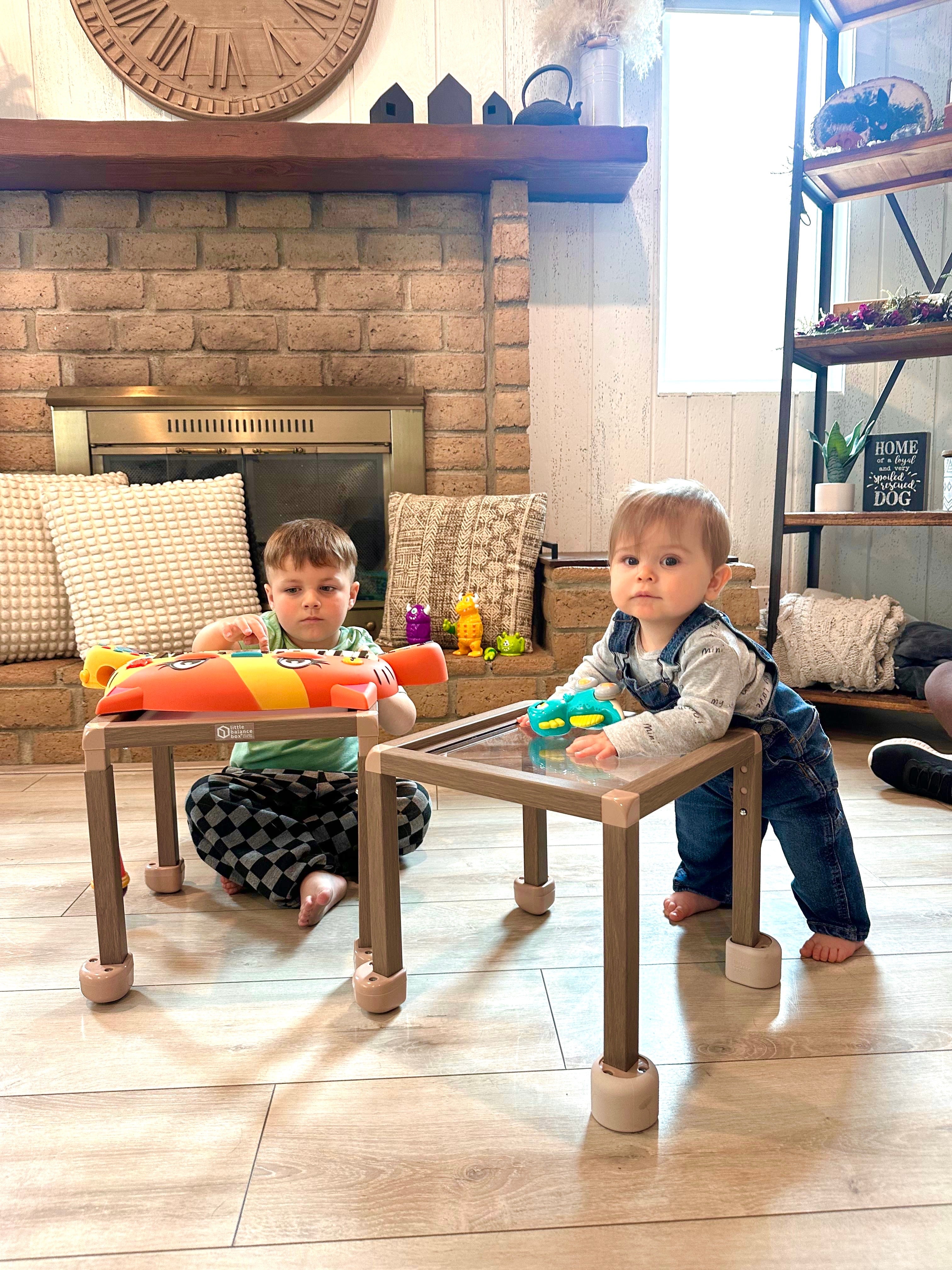
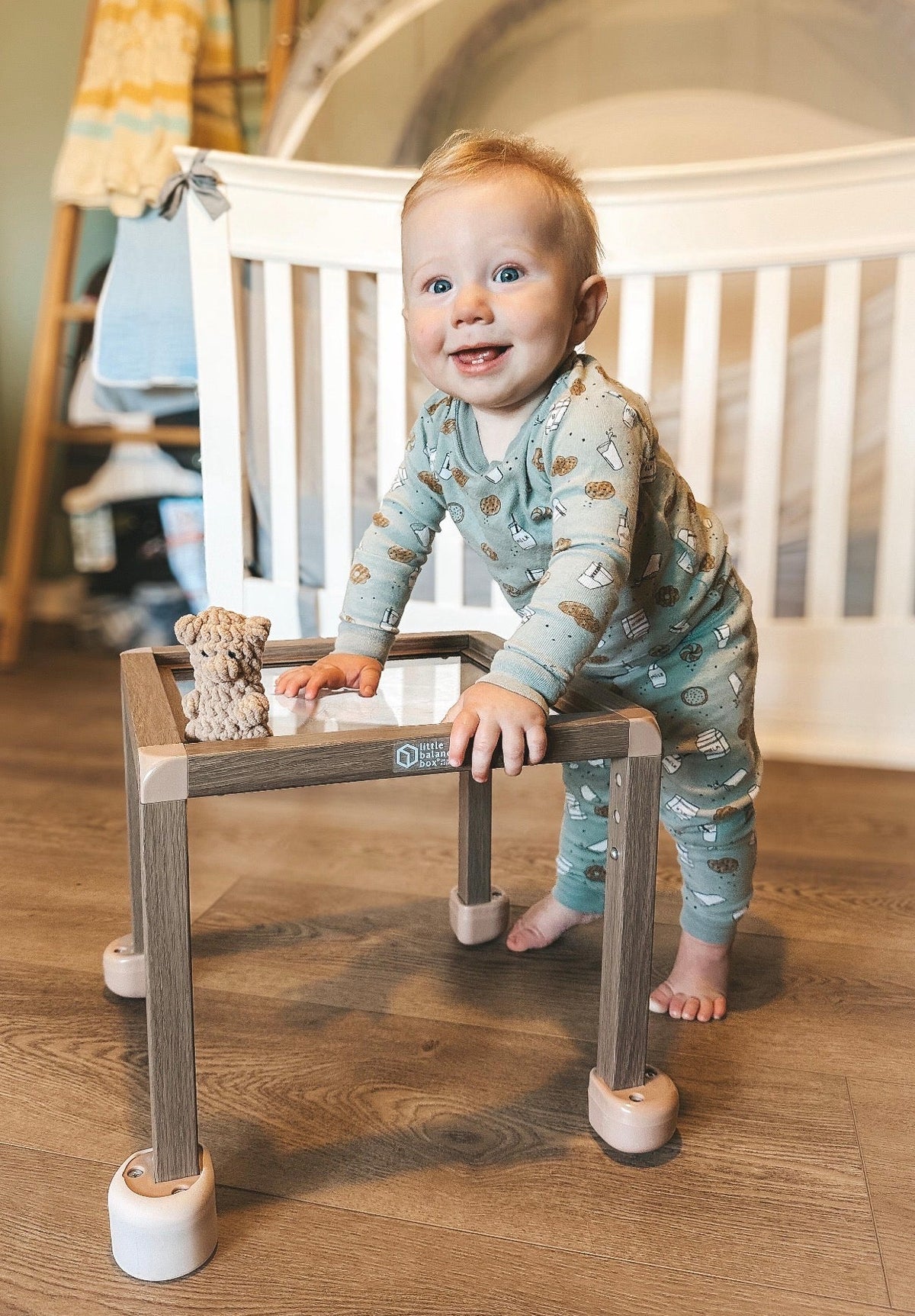
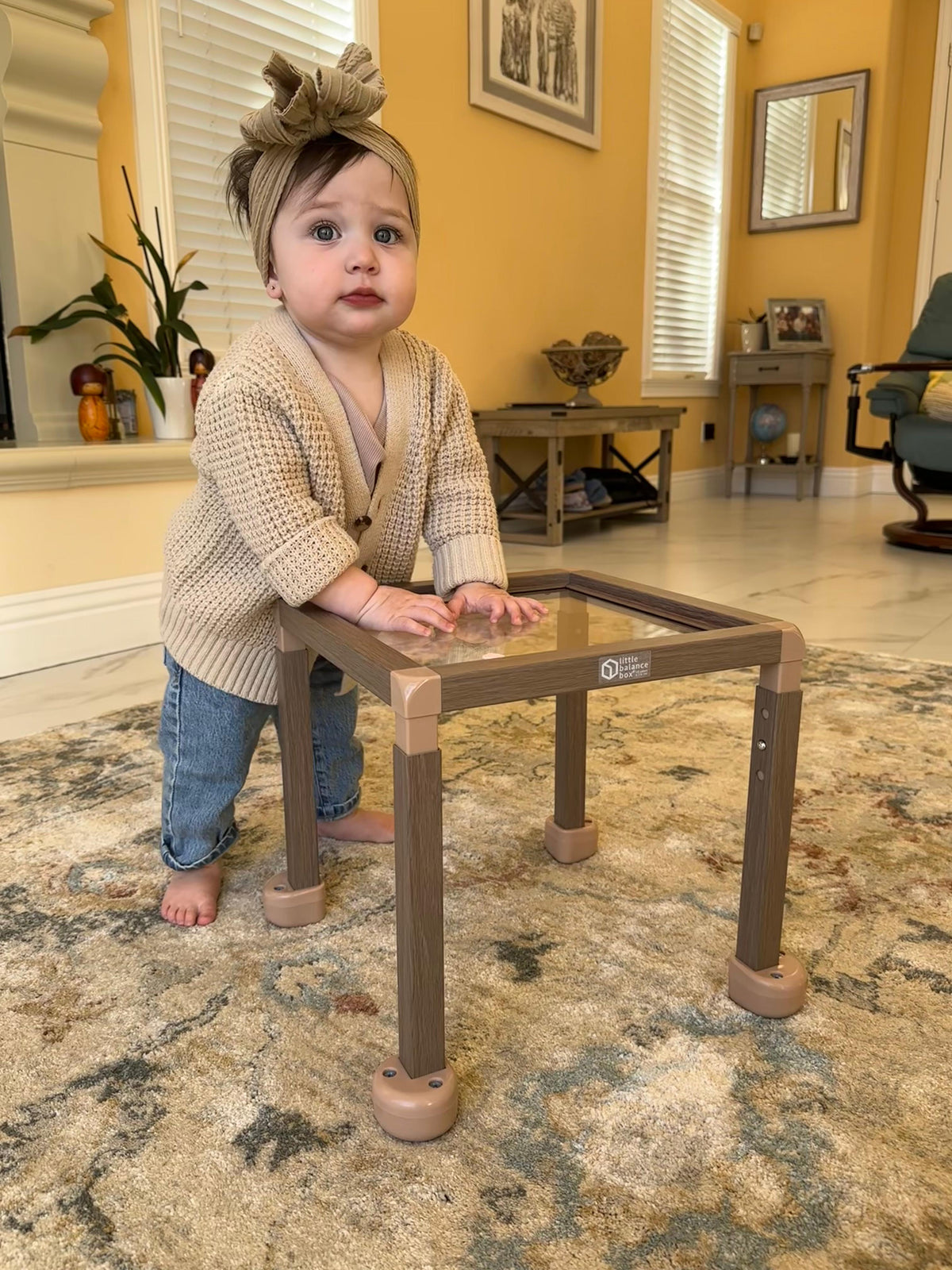
How the Little Balance Box Grow Works
It encourages children to:
• Push while standing
• Shift weight naturally
• Practice stepping patterns
• Build walking confidence
Because children control the movement, they gradually develop the balance needed for independent walking.
A Developmental Approach to Walking
Learning to walk is a process that involves strength, balance, and coordination.
Tools designed around these principles can help children practice movement in a safe and engaging way.
The Little Balance Box Grow was created to support this stage of development while encouraging natural exploration.
Share:
My Child Won’t Walk Alone — What Parents Should Know
Why Physical Therapists Designed the Little Balance Box Grow for Early Walking Development