
Understanding the Walking Milestone

Learning to walk is one of the biggest milestones during early childhood.

Most children take their first independent steps between 9 and 18 months, but the process begins much earlier as they build balance and strength.

Before walking, children typically learn to:

• Kneel to stand
• Cruise along furniture
• Practice shifting their weight
• Strengthen their core muscles

These stages prepare them for independent movement.


Simple Ways Parents Can Help

Parents can support early walking development in several ways.

1. Encourage Floor Play

Time on the floor helps children strengthen their core and practice movement freely.

2. Practice Standing Activities

Placing toys on slightly elevated surfaces encourages children to stand and balance.

3. Allow Safe Movement Exploration

Giving children opportunities to explore movement helps them build coordination and confidence.

4. Introduce Push-Based Walking Practice

Push tools allow children to practice balance while maintaining stability.

This movement helps them strengthen their muscles and learn coordinated walking patterns.


A Tool Designed for Early Walking Practice

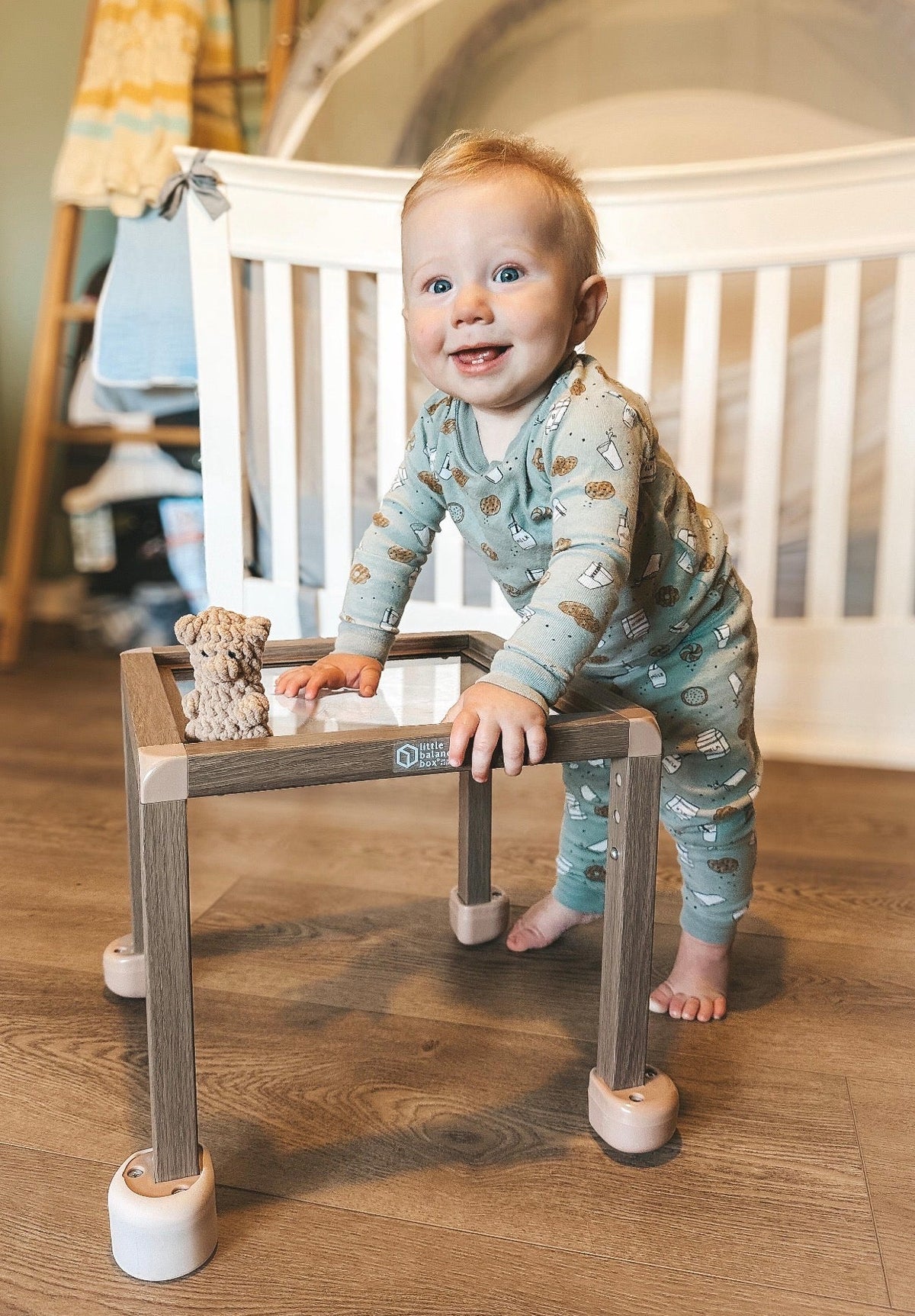
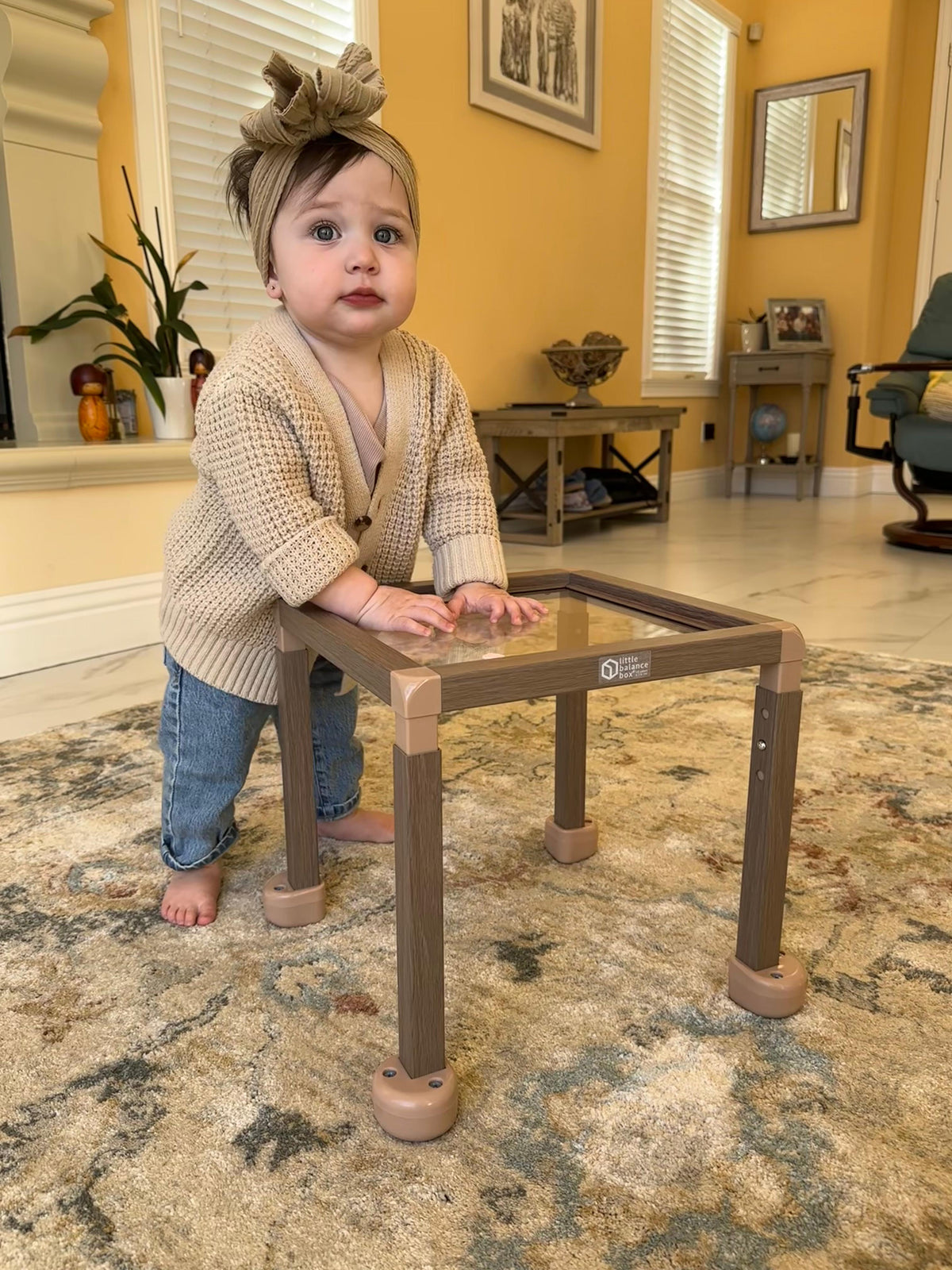
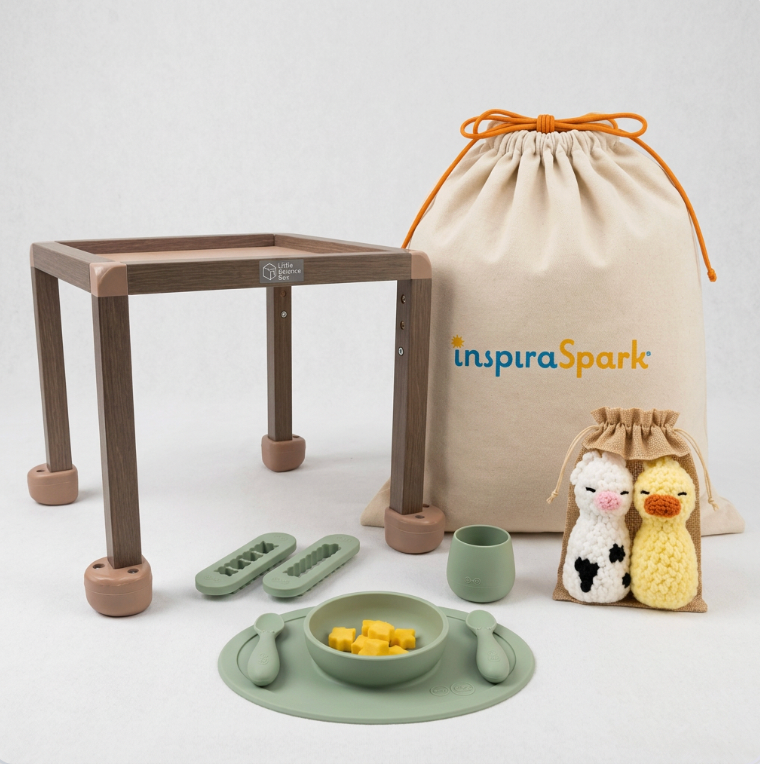
The Little Balance Box Grow was designed by Dr. Shannon PT, DPT, to support early walking development.

It encourages children to push while walking, helping them practice balance and coordination naturally.

Parents often use it during the stage when children are beginning to explore standing and stepping.


Supporting Walking Confidence

Walking is a gradual process that develops through practice and exploration.

By encouraging movement and providing safe opportunities for balance practice, parents can help children build the confidence needed for independent walking.

Tools like the Little Balance Box Grow can make that process engaging and developmentally supportive.

Latest InspiraSpark Updates

查看全部

Baby Walker Alternatives Parents Are Choosing Instead

Baby Walker Alternatives Parents Are Choosing Instead

Why Parents Are Searching for Baby Walker Alternatives For decades, baby walkers were marketed as tools that could help children learn to walk faster. However, many parents today are looking for alternatives that encourage natural movement development. Instead of devices...

阅读更多

Why Physical Therapists Designed the Little Balance Box Grow for Early Walking Development

Why Physical Therapists Designed the Little Balance Box Grow for Early Walking Development

Understanding the Early Walking Stage When children first begin standing and exploring movement, their bodies are still learning how to coordinate balance and stepping. This stage often includes: • Pulling to stand• Cruising along furniture• Attempting early steps Children in...

阅读更多

The Best Walker Alternative for Children Learning to Walk

The Best Walker Alternative for Children Learning to Walk

Why Parents Are Looking for Walker Alternatives For many years, baby walkers were marketed as tools that helped babies learn to walk. However, many therapists now recommend alternatives that support natural balance and coordination development. Instead of placing children in...

阅读更多