
Walking Milestones

Learning to walk is one of the most exciting developmental milestones in early childhood. While every child develops at their own pace, most babies begin walking independently between 9 and 18 months.

Before taking those first independent steps, babies typically move through several important stages that help build the strength, coordination, and confidence needed for walking. These include:

  • Kneeling to stand using furniture or a caregiver for support
  • Cruising along furniture, shifting weight from side to side
  • Practicing stepping while holding onto stable surfaces

These early movements are essential. They allow babies to develop balance, body awareness, and the ability to coordinate their muscles—all foundational skills for walking.


Supporting Walking Development

Parents and caregivers play an important role in supporting this process. The goal isn’t to rush walking, but to create opportunities for natural movement and exploration.

Some simple ways to encourage development include:

  • Providing safe spaces for standing and cruising
  • Encouraging floor play and movement exploration
  • Allowing time for balance and coordination practice

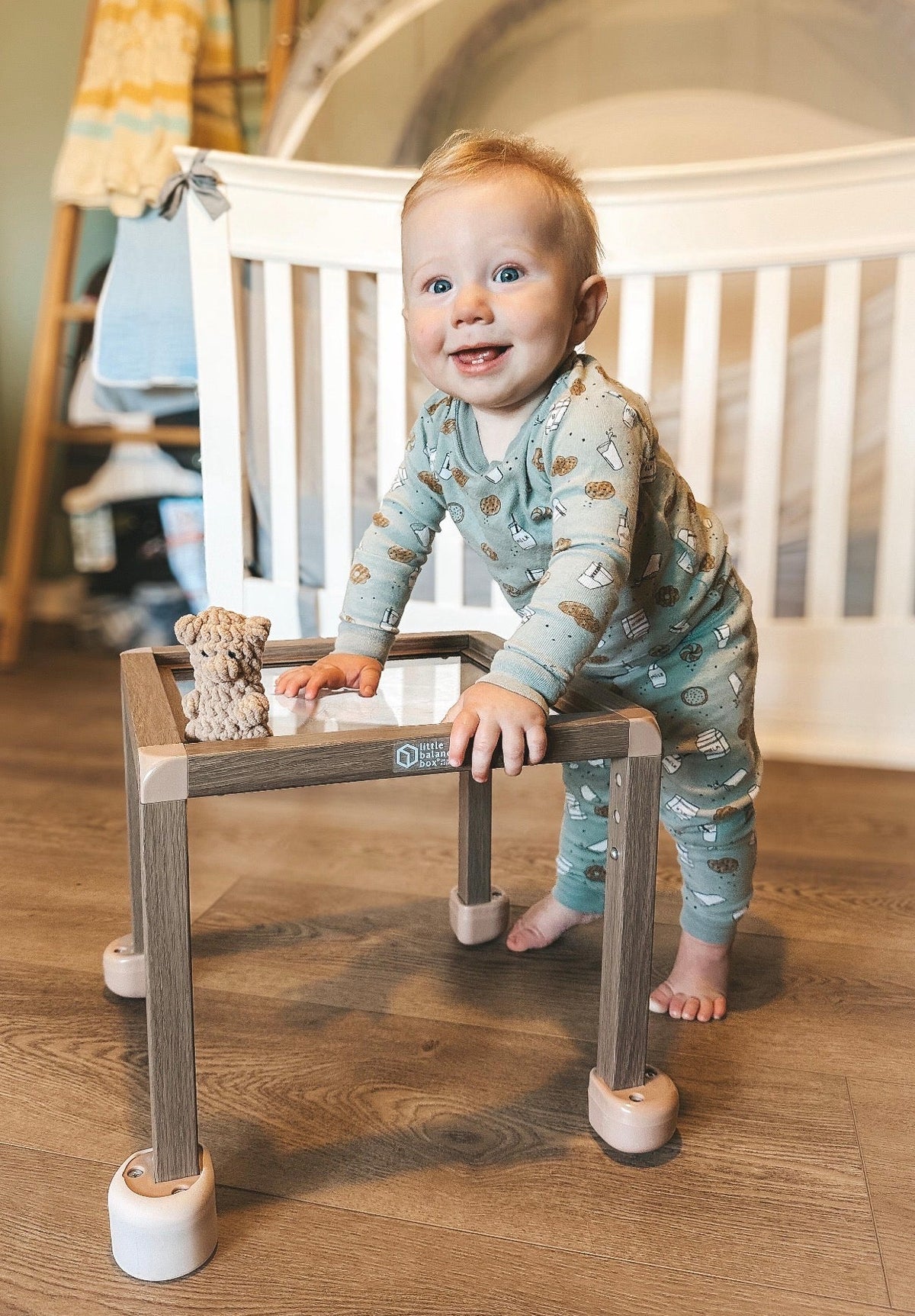
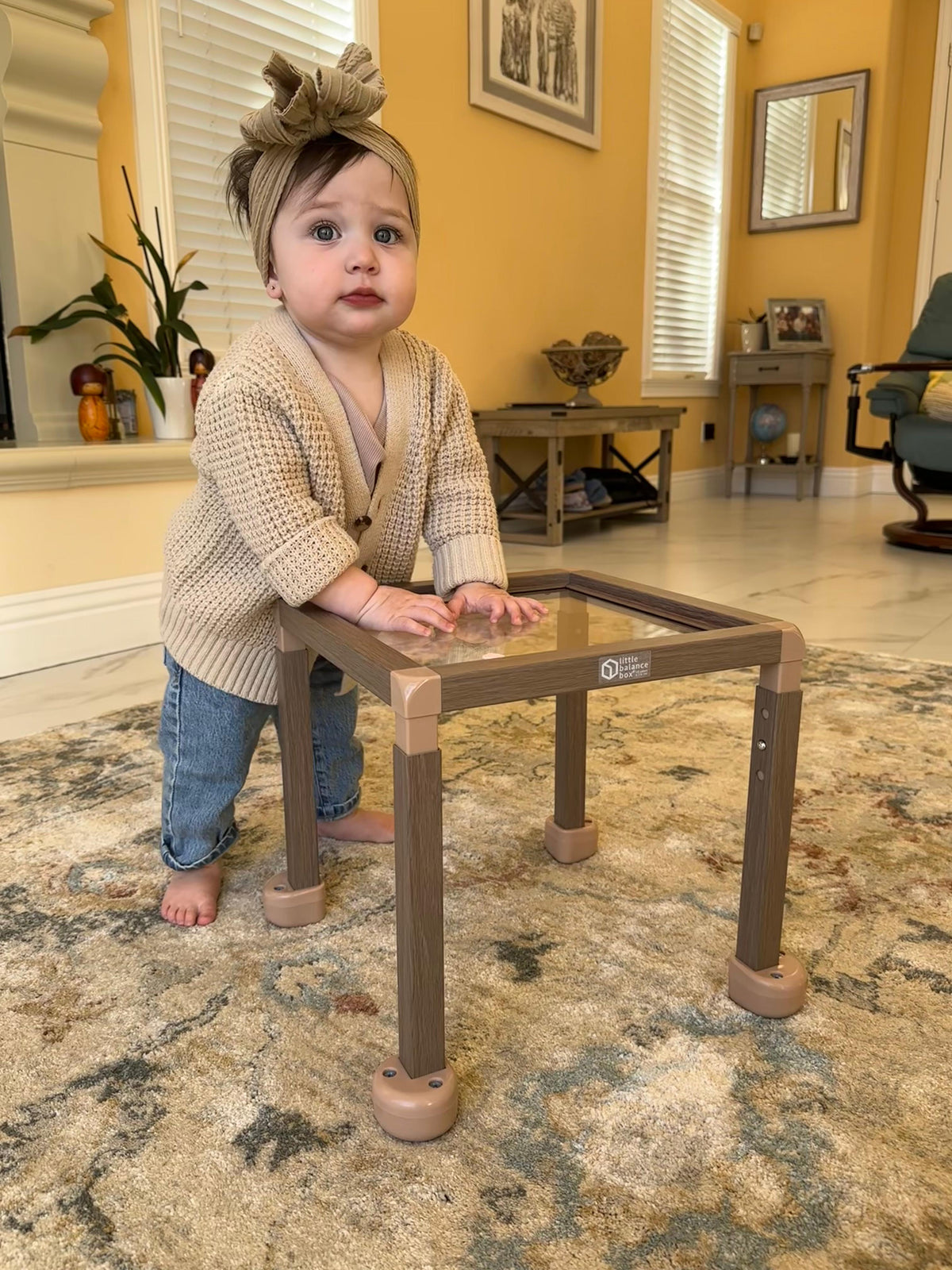
Tools that support push-based movement can also be helpful during this stage, as they give children something stable to hold onto while practicing stepping and weight shifting.


Where the Little Balance Box Grow Fits

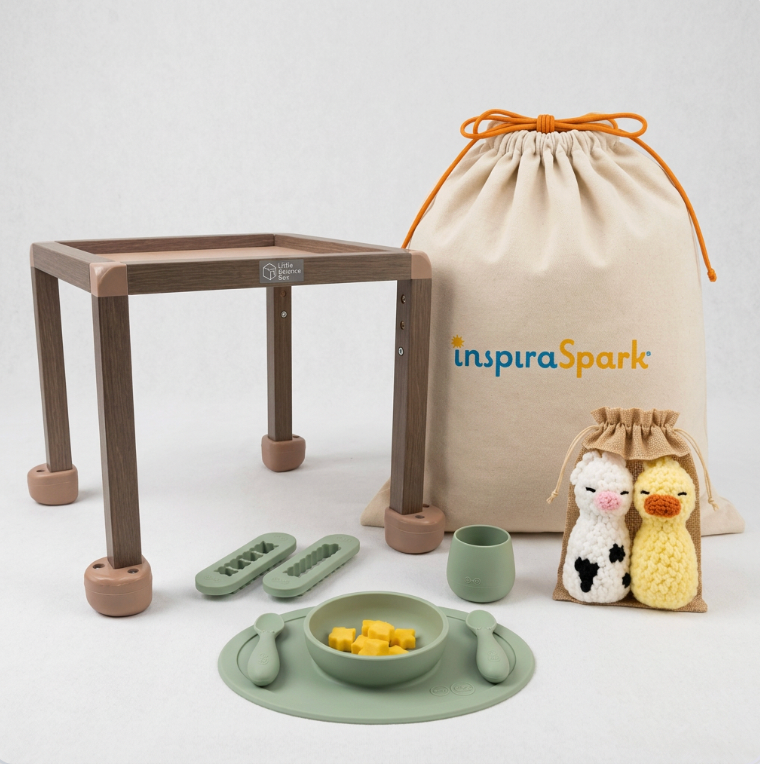
The Little Balance Box Grow was specifically designed by a physical therapist to support this stage of development. 

Unlike traditional walkers, it provides a stable, grounded surface that allows children to practice pushing and stepping without the risk of it rolling away. This helps reinforce proper movement patterns while encouraging:

  • Balance and coordination
  • Strength building through natural movement
  • Confidence as children explore independently

By supporting these foundational skills, the Little Balance Box Grow helps bridge the gap between early standing and confident, independent walking—at a pace that aligns with each child’s natural development.

Latest InspiraSpark Updates

查看全部

Why Simple Tools and Toys Often Support Development Best

Why Simple Tools and Toys Often Support Development Best

Why Simple Tools and Toys Often Support Development Best When it comes to supporting early development, more isn't always better. Children learn best through movement, exploration, and repetition—not by having lots of lights, sounds, or complicated features. While brightly colored,...

阅读更多

10 Easy Ways to Encourage Gross Motor Skills at Home

10 Easy Ways to Encourage Gross Motor Skills at Home

Discover 10 simple ways to encourage your child's gross motor development through everyday play, movement, and exploration.

阅读更多

Creating a Play Space That Encourages Development

Creating a Play Space That Encourages Development

Creating a Play Space That Encourages Development A child's environment plays an important role in how they learn and grow. A simple, thoughtfully designed play space encourages children to move, explore, and build confidence through everyday play. It doesn't need...

阅读更多