
Creating a Play Space That Encourages Development

A child's environment plays an important role in how they learn and grow.

A simple, thoughtfully designed play space encourages children to move, explore, and build confidence through everyday play. It doesn't need to be large or filled with toys—just a safe place that invites movement and curiosity.

Focus on Open Space

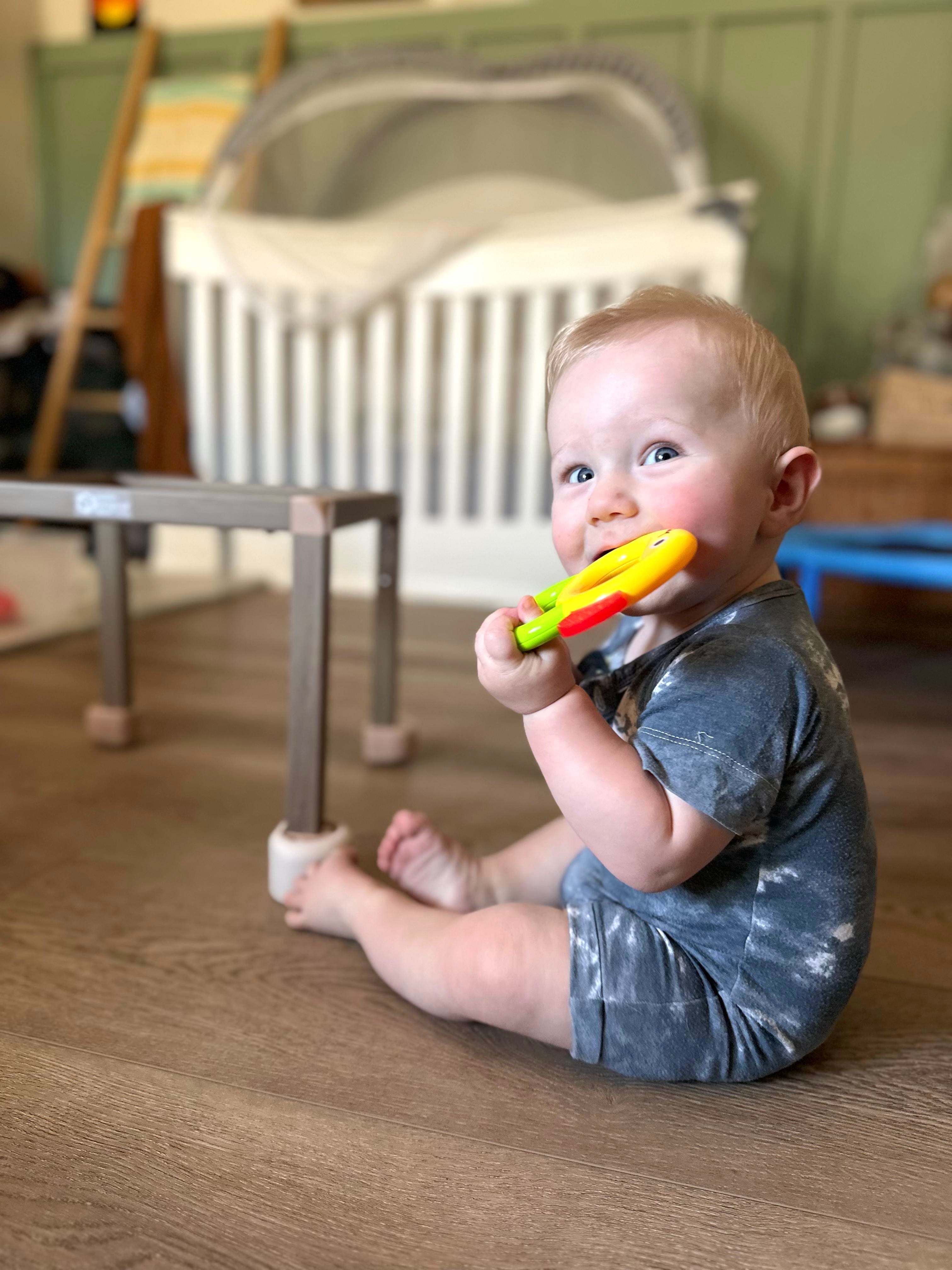
Children need room to practice important movement skills like:

• Rolling
• Crawling
• Sitting
• Pulling to stand
• Cruising
• Walking

Leaving open floor space gives children the freedom to explore these milestones at their own pace.

Choose Purposeful Toys and Tools

Instead of filling a play area with lots of toys, choose a few items that encourage active play and independent exploration.

Look for tools that promote:

• Balance and coordination
• Problem-solving
• Open-ended play
• Gross motor development

Simple, purposeful materials often inspire the most meaningful play.

Create Opportunities for Independence

When children can safely access their toys and move freely, they naturally become more confident and independent.

A child-led play space encourages them to make choices, explore new movements, and practice skills through everyday experiences.

Supporting Development Through Play

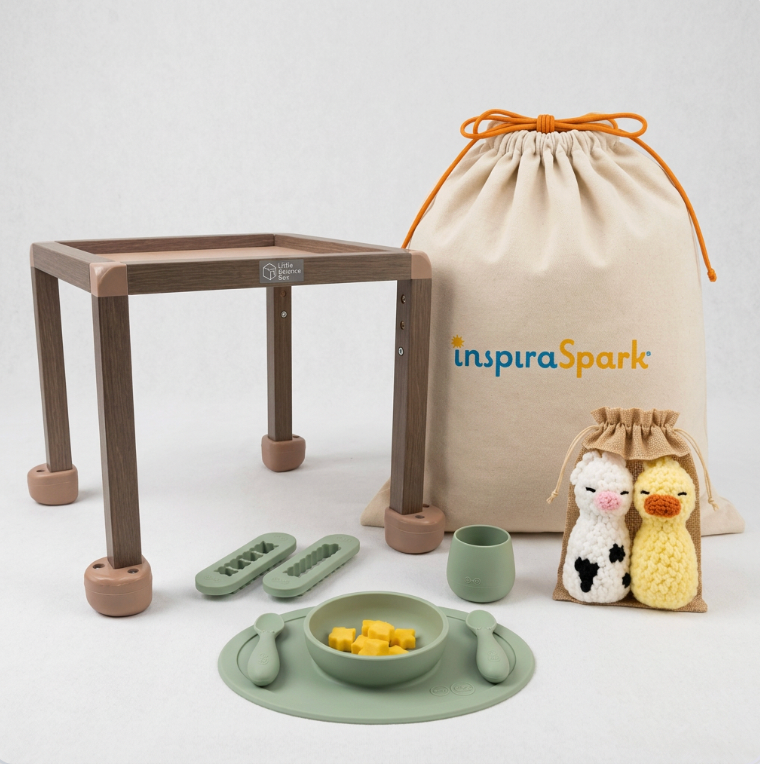
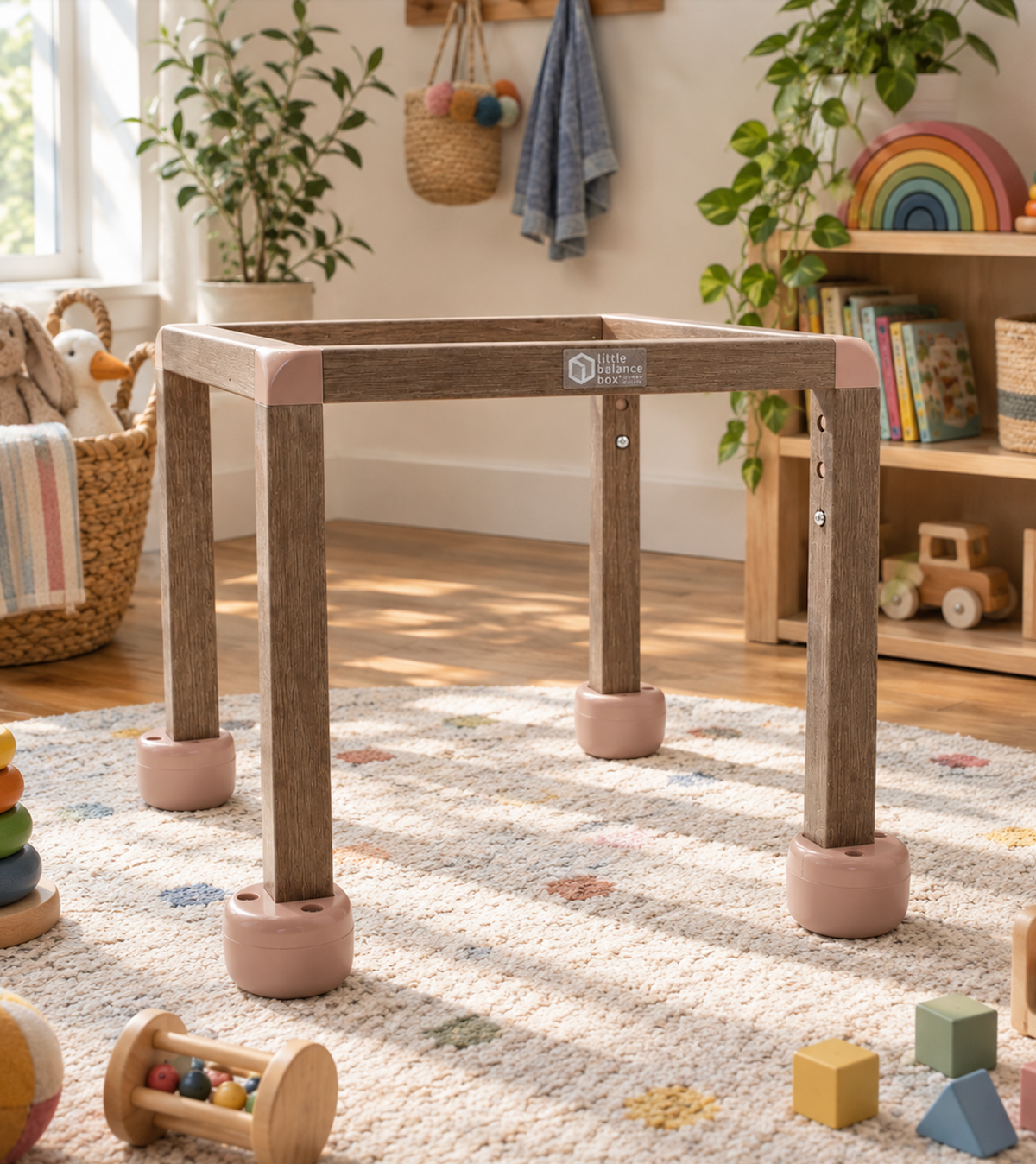
The Little Balance Box Grow was designed by physical therapist Dr. Shannon Davis, PT, DPT, to fit naturally into a development-focused play space.

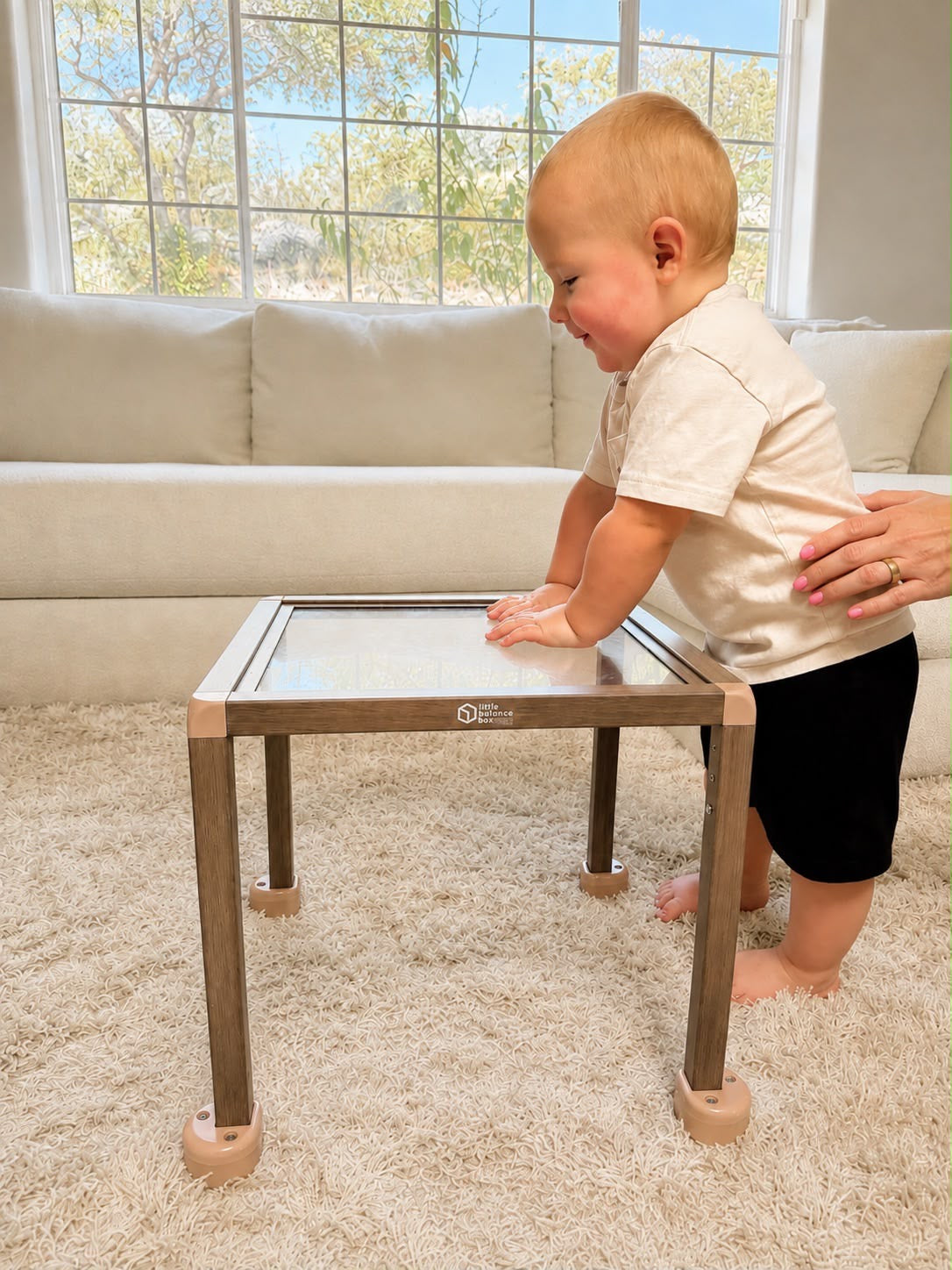
Beginning around 6 months with parent support, it encourages children to practice standing, balance, cruising, and early walking through safe, purposeful movement. As children grow, its adjustable height grows with them before transitioning into a toddler table for activities like crafts, sensory play, puzzles, and imaginative play—making it a tool that continues supporting development well beyond those first steps.

Latest InspiraSpark Updates

查看全部

From First Steps to Toddler Table

From First Steps to Toddler Table

The best baby gear grows with your child. Discover how the Little Balance Box Grow supports early walking development before transitioning into a toddler table for creative play, learning, and everyday activities.

阅读更多

Should You Compare Milestones?

Should You Compare Milestones?

Every child reaches milestones at their own pace. Learn why comparing milestones can create unnecessary pressure and how focusing on progress, practice, and confidence better supports your child's development.

阅读更多

Why Simple Tools and Toys Often Support Development Best

Why Simple Tools and Toys Often Support Development Best

Why Simple Tools and Toys Often Support Development Best When it comes to supporting early development, more isn't always better. Children learn best through movement, exploration, and repetition—not by having lots of lights, sounds, or complicated features. While brightly colored,...

阅读更多