



Why Sensory Play Is Important for Your Baby's Development
How Babies Learn Through Their Senses
From the moment they're born, babies are constantly discovering the world around them. Every new sound, texture, movement, and color introduces an opportunity to explore and learn.
Babies learn through hands-on experiences. They touch objects, reach for toys, listen to sounds, and discover how their bodies interact with their surroundings.
This is why sensory play is so important for children. It encourages little ones to engage their senses while developing foundational skills that support physical, cognitive, and social development.
Whether it's shaking a rattle, exploring different textures, or reaching for a toy, everyday experiences can become meaningful learning opportunities.
What Is Sensory Play for Babies?
Sensory play involves activities that stimulate one or more of a baby's senses: sight, sound, touch, taste, smell, and movement.
Some examples include:
-
Touch: Exploring soft fabrics, textured toys, and different surfaces.
-
Sound: Listening to rattles, music, and familiar voices.
-
Sight: Following colorful objects and observing movement.
-
Movement: Reaching, rolling, and exploring different positions.
-
Body awareness: Discovering how their arms, legs, and hands move.
Sensory activities don't need to be complicated. Many valuable learning opportunities happen naturally throughout the day.
4 Benefits of Sensory Play for Infant Development
1. Supports Brain Development
Every time children experience something new, their brains process information and build connections. Touching a textured toy, hearing a sound, or watching an object move helps them understand their surroundings and lays the foundation for future learning.
2. Encourages Fine Motor Skills and Coordination
Reaching for, grasping, holding, and shaking toys help babies practice fine motor skills and hand-eye coordination.
For example, when a child shakes a rattle and hears a sound, they're learning how their movements can create results.
3. Builds Body Awareness and Movement Skills
Sensory exploration also happens through movement. Reaching for toys, shifting weight, and exploring different positions provide opportunities to practice balance, coordination, and strength.
4. Encourages Curiosity and Problem-Solving
Children naturally investigate objects in different ways. They might shake a toy, turn it around, or explore its texture. These small discoveries encourage curiosity, experimentation, and early problem-solving.
5 Simple Baby Sensory Activities to Try at Home
You don't need an entire playroom filled with toys to encourage sensory exploration. Here are five simple activities to incorporate into your daily routine.
1. Explore Different Textures
Introduce your baby to safe, age-appropriate textures through soft blankets, textured fabrics, and sensory toys. Let them touch and explore while you describe what they're experiencing.
2. Introduce Sound Through Rattles
Rattles are a classic baby toy for a reason! They introduce babies to sound while encouraging grasping, reaching, and hand movements.
Try gently shaking a rattle and allowing your baby to follow the sound. As they become interested, offer it so they can hold and explore it themselves.
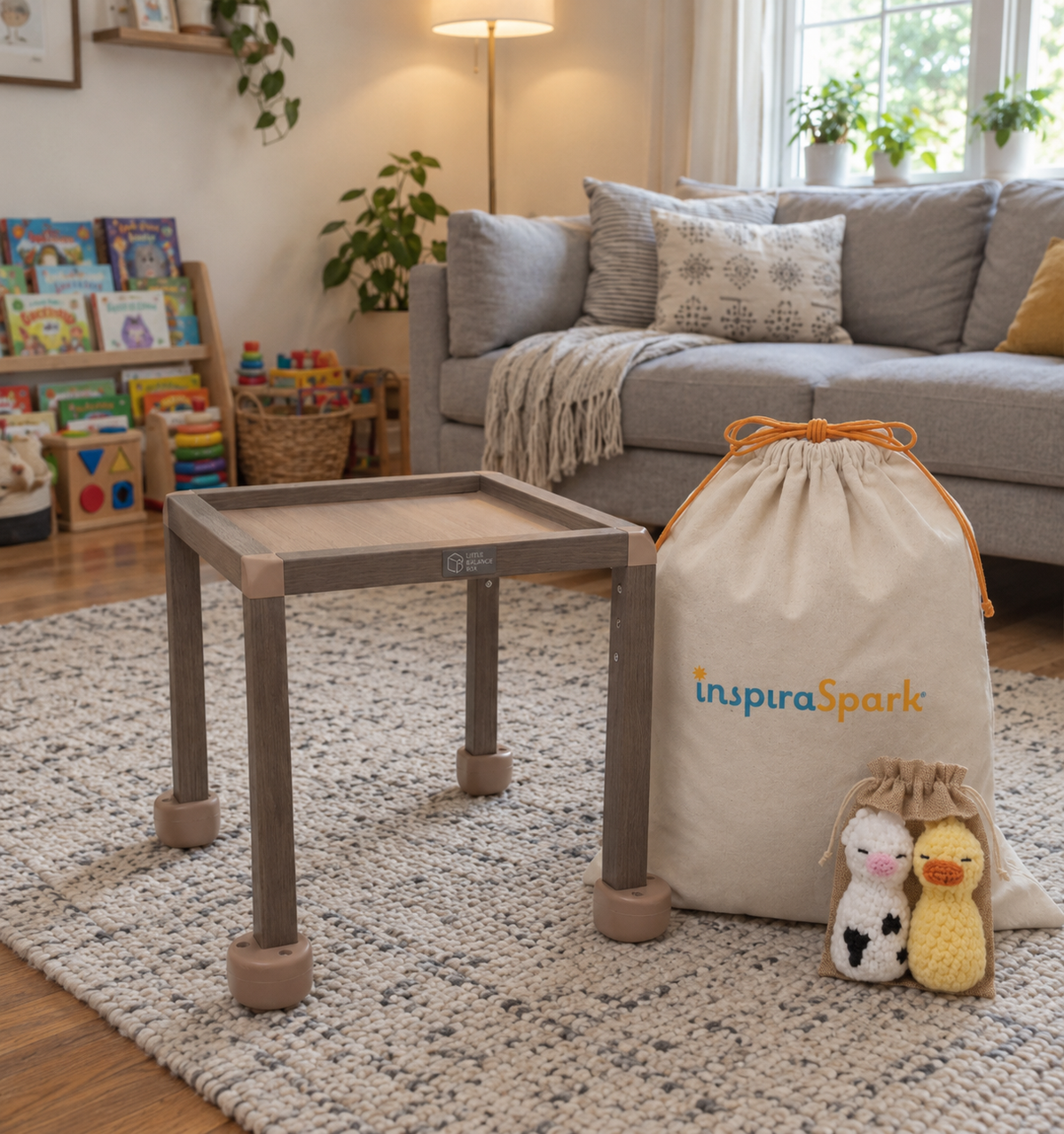
Our Handmade Sensory Rattle Set is a lovely addition to your baby's playtime, offering opportunities to explore sound through movement while practicing early grasping and coordination skills.
3. Encourage Reaching and Movement
Place an interesting toy within your baby's reach during supervised floor play. Give them time to notice it, reach toward it, and experiment with moving their bodies.
These interactions encourage coordination and body awareness.
4. Incorporate Mirror Play
Children are often fascinated by faces and movement. Place a baby-safe mirror where your little one can see their reflection during supervised floor play. This encourages visual attention and curiosity.
5. Make Movement Part of Playtime
Give your child opportunities to explore different positions through supervised floor play, reaching for toys, and interacting with their surroundings. These experiences encourage movement and help babies discover what their bodies can do.
Always choose activities appropriate for your baby's developmental stage and supervise play.
Choosing the Right Sensory Toys for Babies
When selecting sensory toys for babies, look for products that encourage exploration rather than simply keeping little ones entertained.
Consider toys that:
-
Introduce different textures, sounds, and experiences.
-
Encourage reaching, grasping, and movement.
-
Are made with safe, age-appropriate materials.
-
Offer opportunities for exploration as your baby develops.
The best sensory experiences don't have to come from complicated toys. Simple products that encourage interaction can provide meaningful opportunities for learning.
Encouraging Sensory Exploration with InspiraSpark
At InspiraSpark, we believe everyday play can create meaningful opportunities for babies to learn, move, and explore.
Our products are thoughtfully designed to encourage development through purposeful play.
Handmade Sensory Rattle Set
Our Handmade Sensory Rattle Set introduces babies to sound through movement. Shaking, holding, and exploring rattles provides opportunities to practice grasping, coordination, and cause-and-effect learning. They're also a thoughtful addition to a baby shower or first birthday gift.
Little Balance Box® Grow
Sensory exploration isn't limited to what babies can see, hear, or touch. Movement and body awareness are important parts of how they experience the world.
The Little Balance Box® Grow was designed by a physical therapist to support babies as they explore movement and develop new skills.
Its spring-loaded feet provide responsive sensory feedback as little ones puch down and interact with it. Its stable, flat-top surface also offers opportunities for supervised play, reaching, and exploration.
As children interact with the box and shift their weight, they experience different movement and body-awareness opportunities. Its adjustable-height design allows it to adapt as your child grows, eventually transitioning into a toddler activity table.
Making Sensory Play Part of Everyday Life
Sensory play doesn't have to be complicated or scheduled. It can happen while exploring a favorite toy, during floor play, or through simple everyday interactions.
The most important thing is to provide safe opportunities for exploration, follow your baby's interests, and allow them to discover things at their own pace.
Every shake of a rattle, new texture, and movement is another opportunity to learn.

分享:
PT-Approved Gifts for Babies Under 1 Year Old: Thoughtful Gifts That Support Development