
Why Simple Tools and Toys Often Support Development Best
When it comes to supporting early development, more isn't always better.
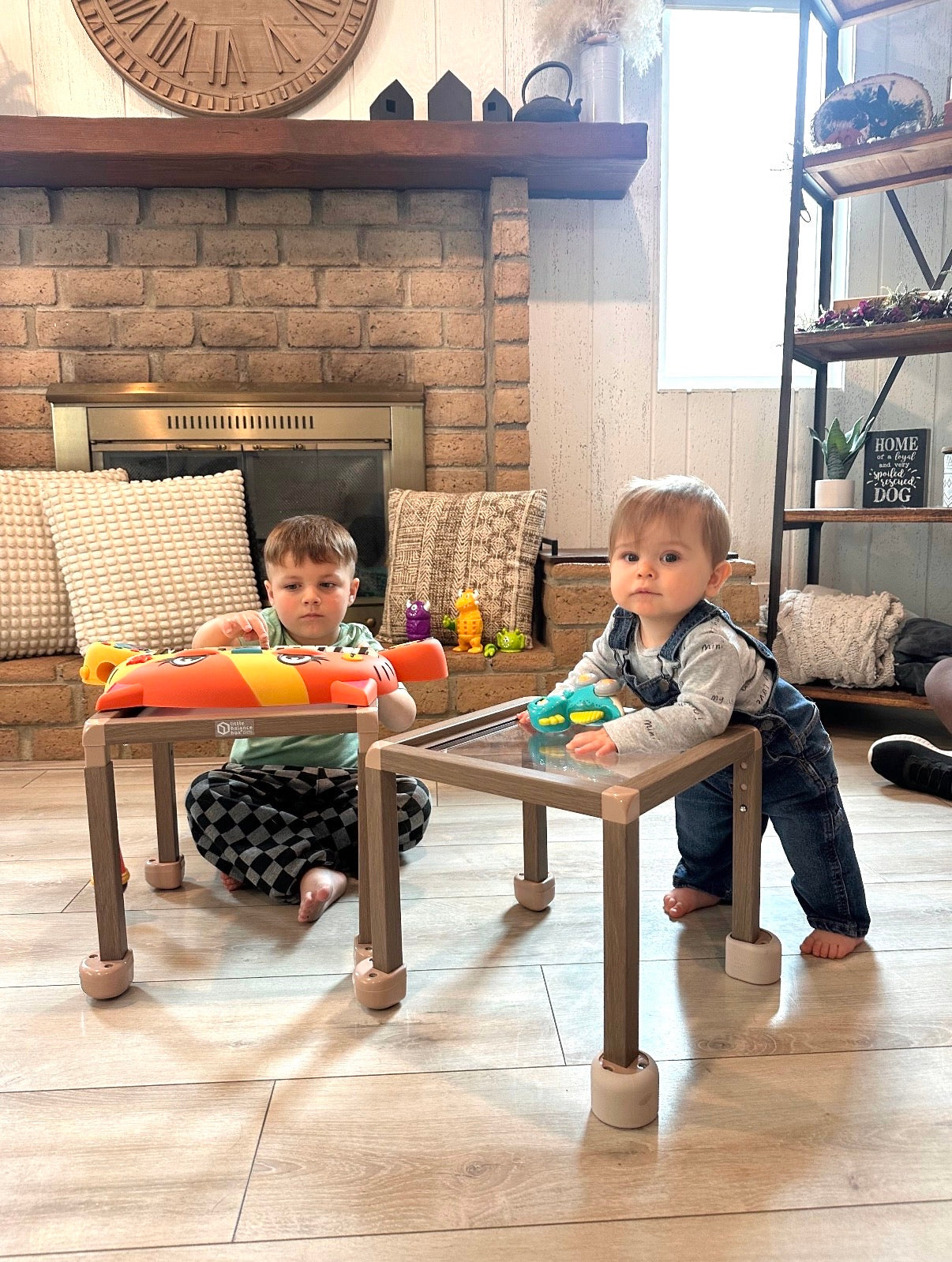
Children learn best through movement, exploration, and repetition—not by having lots of lights, sounds, or complicated features. While brightly colored, electronic toys can be fun, they can sometimes distract children from purposeful play by constantly directing their attention instead of encouraging them to explore on their own.
Simple, purposeful tools and toys help children stay engaged with movement, problem-solving, and discovery.
The Power of Open-Ended Play
Simple tools and toys allow children to play in many different ways rather than following a single function.
This encourages children to:
• Use their imagination
• Explore independently
• Practice problem-solving
• Build confidence through play
Because there isn't one "right" way to play, children can learn at their own pace and discover new ways to interact with their environment.
Movement Builds Development
Many of the most important developmental milestones happen through active movement.
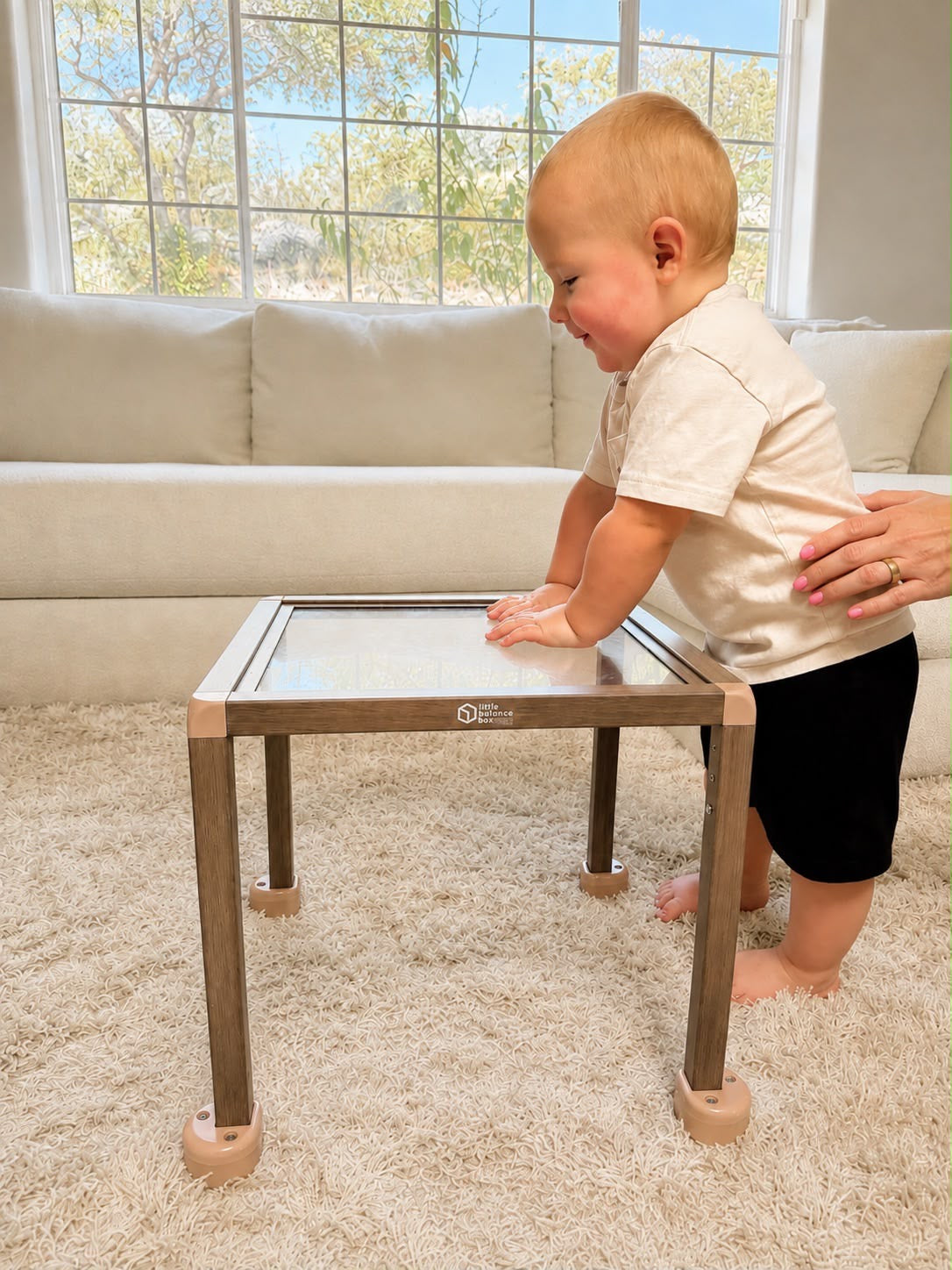
Activities like standing, reaching, pushing, and walking help children strengthen their muscles while improving balance, coordination, and body awareness.
Purposeful movement also helps children gain confidence as they discover what their bodies can do.
Choosing Tools That Grow With Your Child
The best developmental tools continue to support children through multiple stages of growth instead of being useful for only a short period of time.
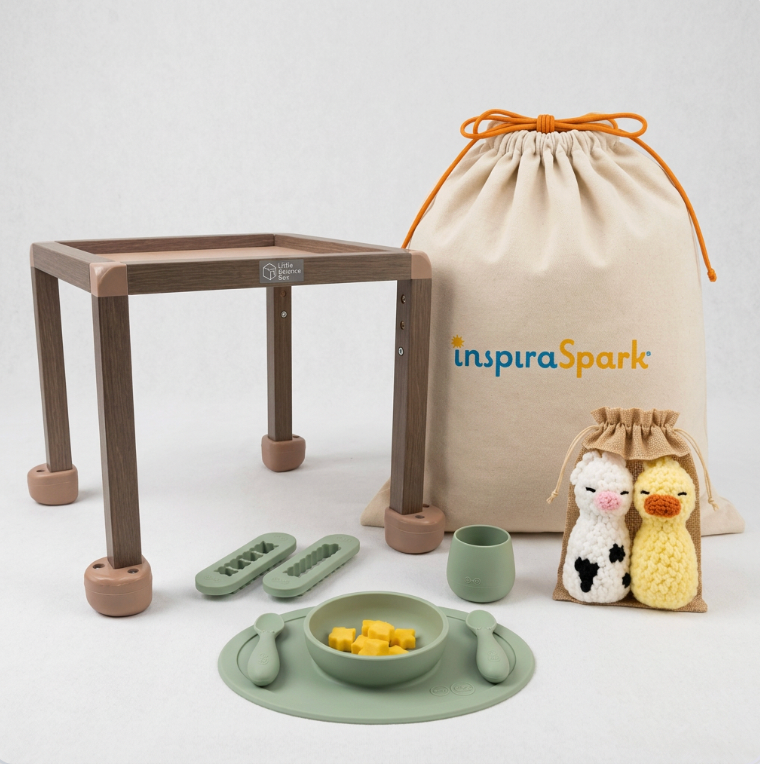
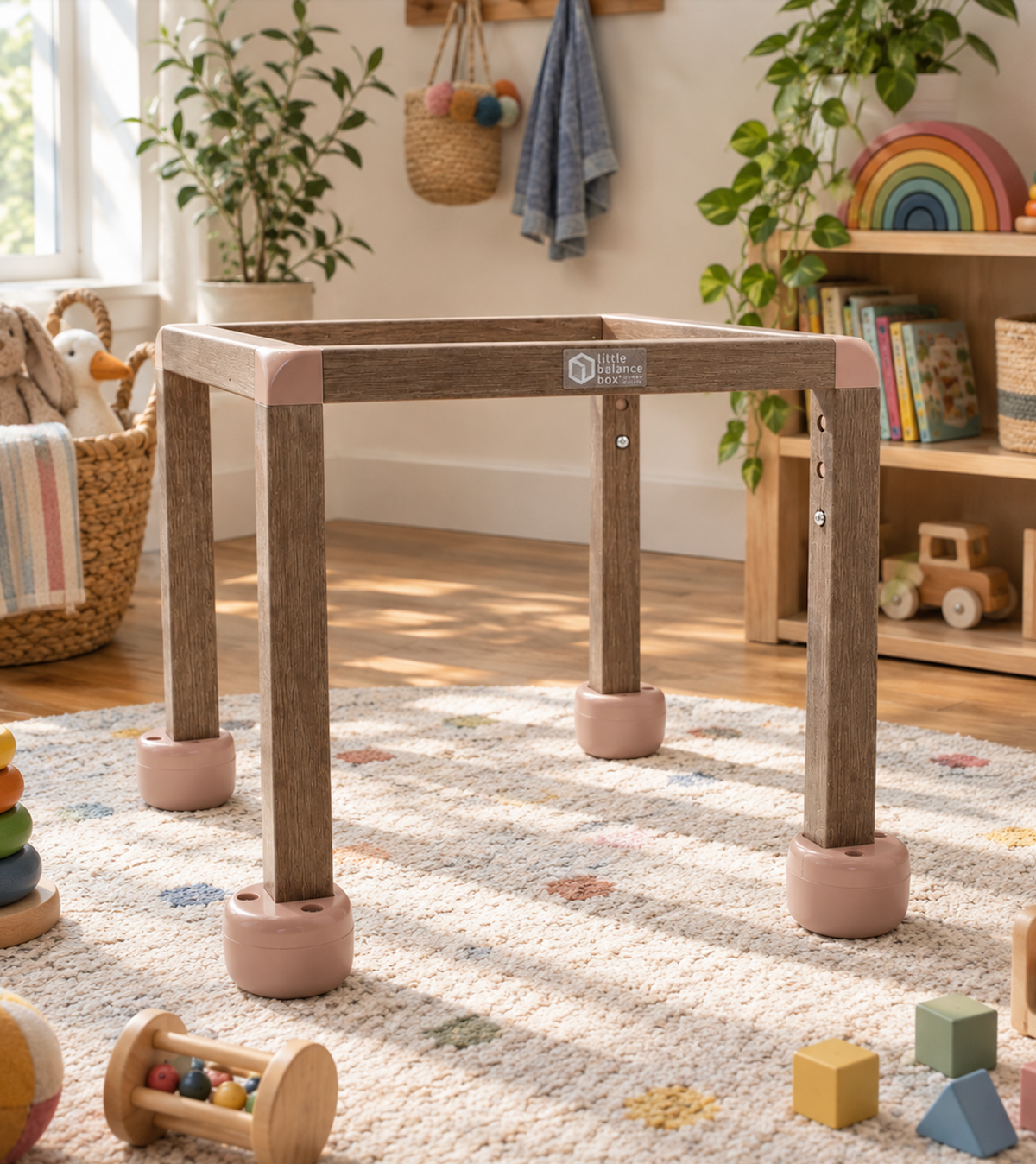
The Little Balance Box Grow was designed by Dr. Shannon, PT, DPT, to encourage safe, natural movement during the early walking journey. Beginning around 6 months with parent support, it helps children practice standing, balance, weight shifting, and stepping at their own pace.
As children grow, its adjustable height grows with them before transitioning into a toddler table for crafts, puzzles, sensory play, and imaginative play—making it a simple, purposeful tool that supports development well beyond those first independent steps.


Share:
10 Easy Ways to Encourage Gross Motor Skills at Home