
What Does "Montessori Toy" Actually Mean? A Parent's Guide

If you've spent any time shopping for toys lately, you've probably noticed the word "Montessori" showing up everywhere — on wooden blocks, push toys, shelves, even snack plates. It's become such a popular label that it's worth asking: what does it actually mean? And is a toy with "Montessori" in the title really any different from one without it?

Here's a straightforward breakdown of where the term comes from and what it actually signals about a toy.

Where the Term Comes From

Montessori refers to the educational approach developed by Dr. Maria Montessori, an Italian physician and educator, in the early 1900s. Her method is built around the idea that children learn best through hands-on, self-directed exploration, rather than being taught through instruction alone. Montessori classrooms are designed to let children choose their own activities, work at their own pace, and learn through doing.

What Actually Makes a Toy "Montessori-Aligned"

Rather than looking for the label itself, it helps to look for the qualities the Montessori approach values:

  • Simplicity. Toys tend to have one primary purpose or a simple design, without excess bells, whistles, or built-in entertainment.
  • Open-endedness. Many Montessori-aligned toys can be used in more than one way, letting a child bring their own ideas to the play.
  • Natural materials. Wood, cotton, and other natural materials are common, though this is more of a stylistic preference than a strict rule.
  • Child-led use. The toy doesn't do the "work" for the child — the child engages with it, moves it, figures it out.
  • Real-world connection. Many Montessori materials mimic real objects or real-life skills rather than being purely abstract or fantastical.

A toy doesn't need every single one of these qualities to reflect the philosophy — but the more a toy leans toward simple, open-ended, and child-directed, the closer it tends to be to the original spirit of the term.

Where the Little Balance Box Fits In

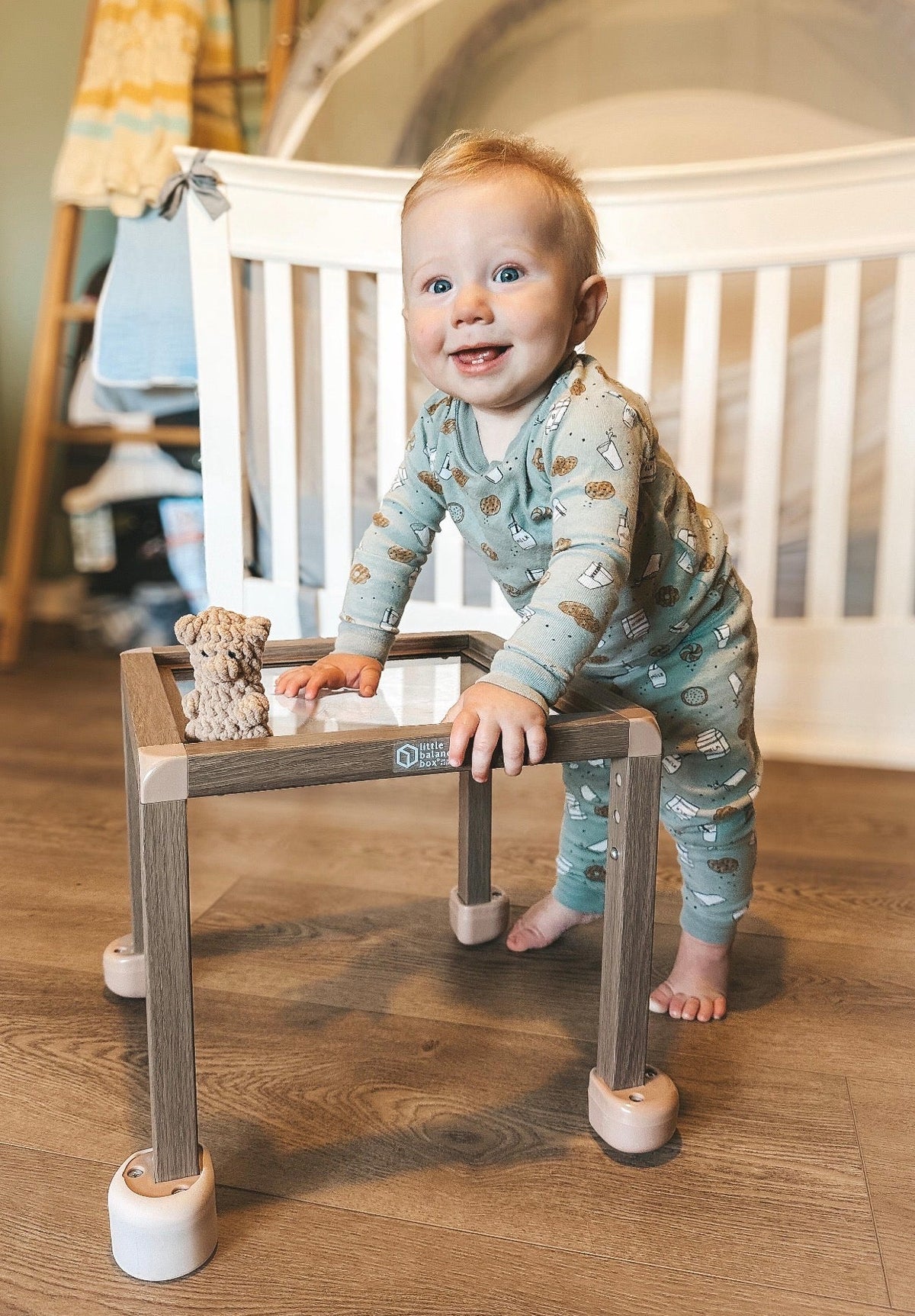
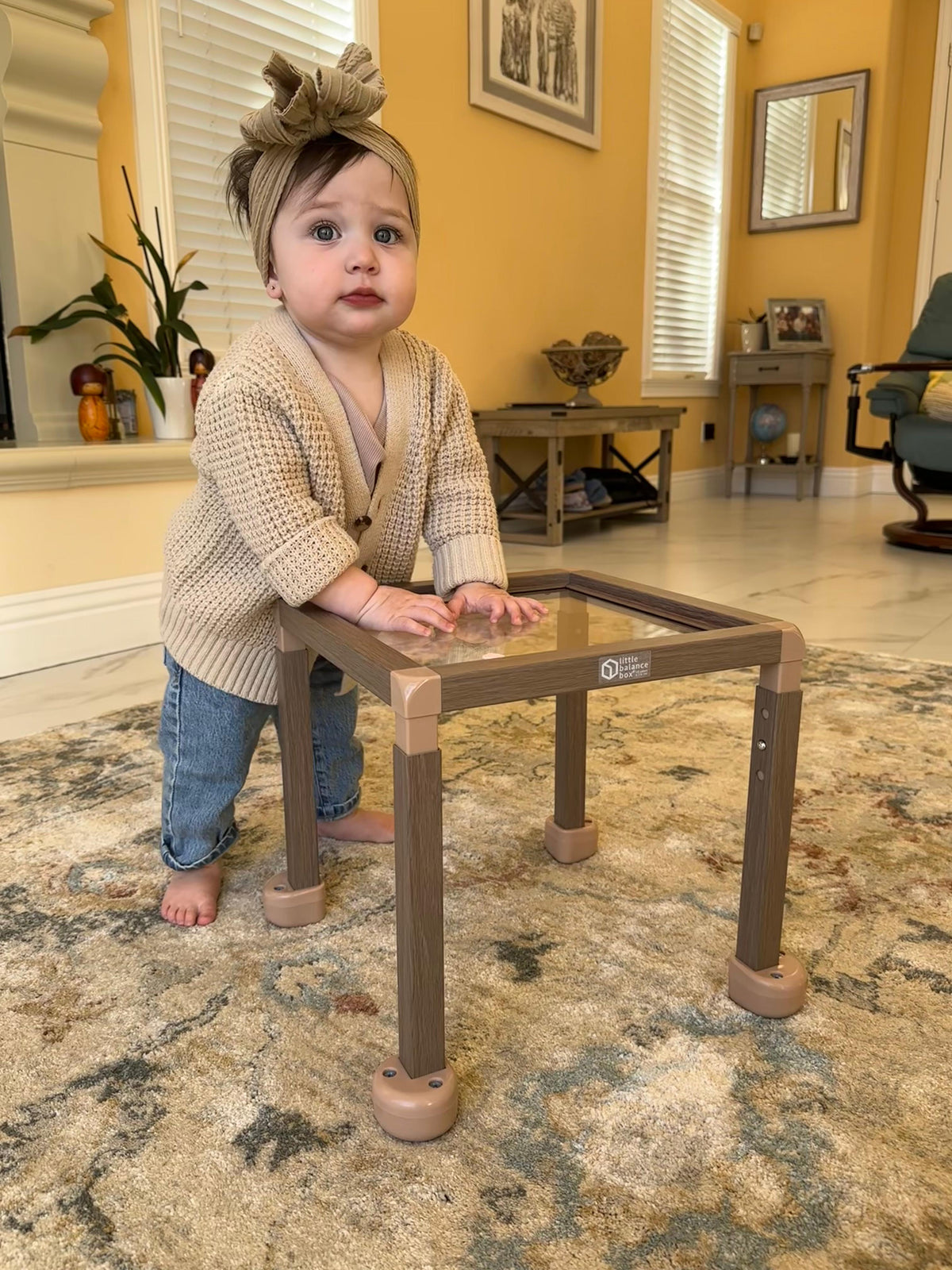
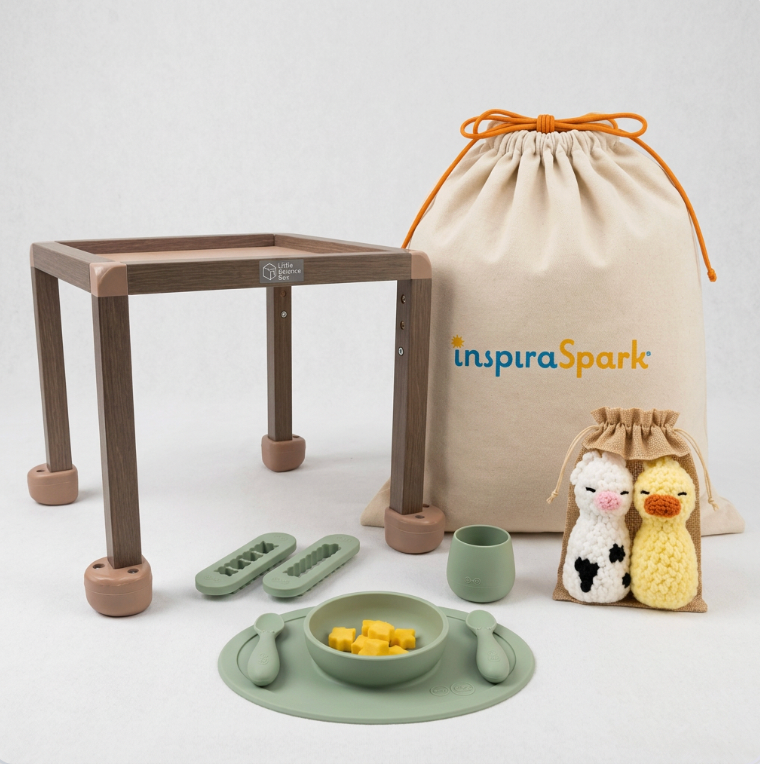
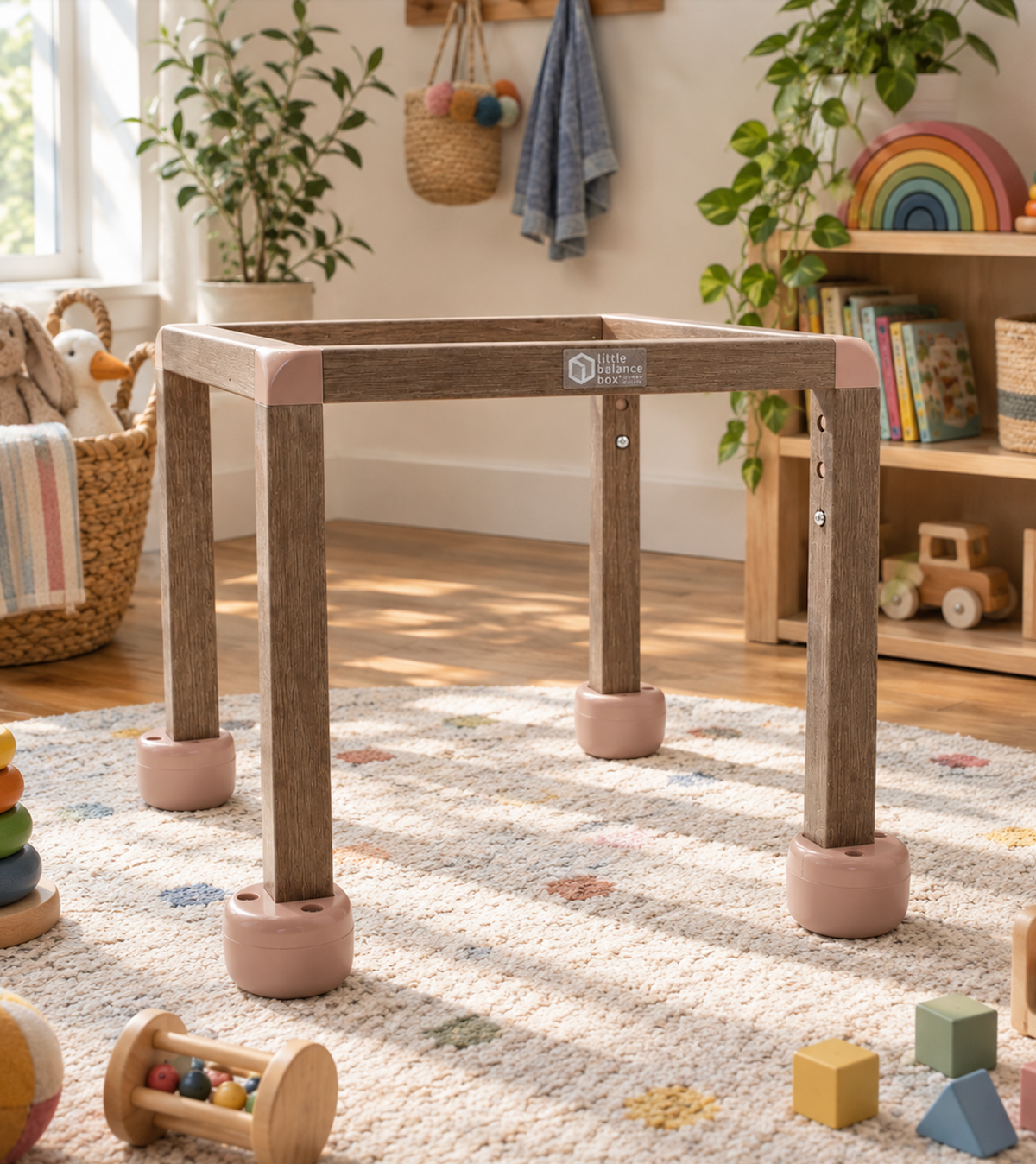
The Little Balance Box aligns with Montessori principles of independence and natural movement. Rather than lights, sounds, or a single fixed function, it relies on simplicity — a tool a child engages with actively, using their own balance, strength, and effort rather than having the work done for them.

Questions to Ask When Toy Shopping

If you're evaluating whether a toy fits this approach, regardless of what the label says, ask:

  • Does this toy have more than one way to be used?
  • Does it invite my child to lead the play, or does it do most of the work itself?
  • Is the design simple enough that my child can understand it without help?
  • Will this still hold my child's interest as they grow, or is it a one-time novelty?

The Bottom Line

"Montessori" has become a popular marketing word, but at its core it points to a real and thoughtful approach to play: simple, open-ended, child-led. Rather than shopping by label alone, it's worth looking at what a toy actually asks of your child — because that's where the real value of the philosophy lives.

Latest InspiraSpark Updates

查看全部

What Does "Montessori Toy" Actually Mean? A Parent's Guide

What Does "Montessori Toy" Actually Mean? A Parent's Guide

Wondering what “Montessori toy” really means? This guide breaks down the principles behind the label and shares simple questions to help you choose toys that encourage independence, creativity, and child-led play. We’ll also explore how the Little Balance Box fits into a Montessori-aligned approach.

阅读更多

Why the Early Years Matter So Much: Helping Your Baby Explore, Talk, and Move

Why the Early Years Matter So Much: Helping Your Baby Explore, Talk, and Move

Your baby's brain is building the connections that shape a lifetime of learning — and that includes physical milestones like walking. Here's why being an active, hands-on part of that journey matters more than simply waiting for it to happen on its own.

阅读更多

New Routines, New Steps: Keeping Your Baby's Walking Practice Going During a Busy Back-to-School Season

New Routines, New Steps: Keeping Your Baby's Walking Practice Going During a Busy Back-to-School Season

Back-to-school season is busy, but your baby’s walking practice doesn’t need to be perfect. Discover how a few short, supervised moments throughout the day can help support movement, balance, and those exciting first steps.

阅读更多