


Hitos del gateo
Aprender a caminar es uno de los hitos más emocionantes del desarrollo en la primera infancia. Si bien cada niño se desarrolla a su propio ritmo, la mayoría de los bebés comienzan a caminar de forma independiente entre los 9 y los 18 meses.
Antes de dar esos primeros pasos independientes, los bebés suelen pasar por varias etapas importantes que les ayudan a desarrollar la fuerza, la coordinación y la confianza necesarias para caminar. Estas incluyen:
- Arrodillarse para ponerse de pie utilizando muebles o un cuidador como apoyo
- Desplazarse a lo largo de los muebles, cambiando el peso de un lado a otro
- Practicar los pasos mientras se sujetan a superficies estables
Estos movimientos tempranos son esenciales. Permiten a los bebés desarrollar el equilibrio, la conciencia corporal y la capacidad de coordinar sus músculos, todas ellas habilidades fundamentales para caminar.
Apoyando el desarrollo de la marcha
Los padres y cuidadores desempeñan un papel importante en el apoyo de este proceso. El objetivo no es apresurar la marcha, sino crear oportunidades para el movimiento y la exploración naturales.
Algunas formas sencillas de fomentar el desarrollo incluyen:
- Proporcionar espacios seguros para estar de pie y desplazarse
- Fomentar el juego en el suelo y la exploración del movimiento
- Dejar tiempo para practicar el equilibrio y la coordinación
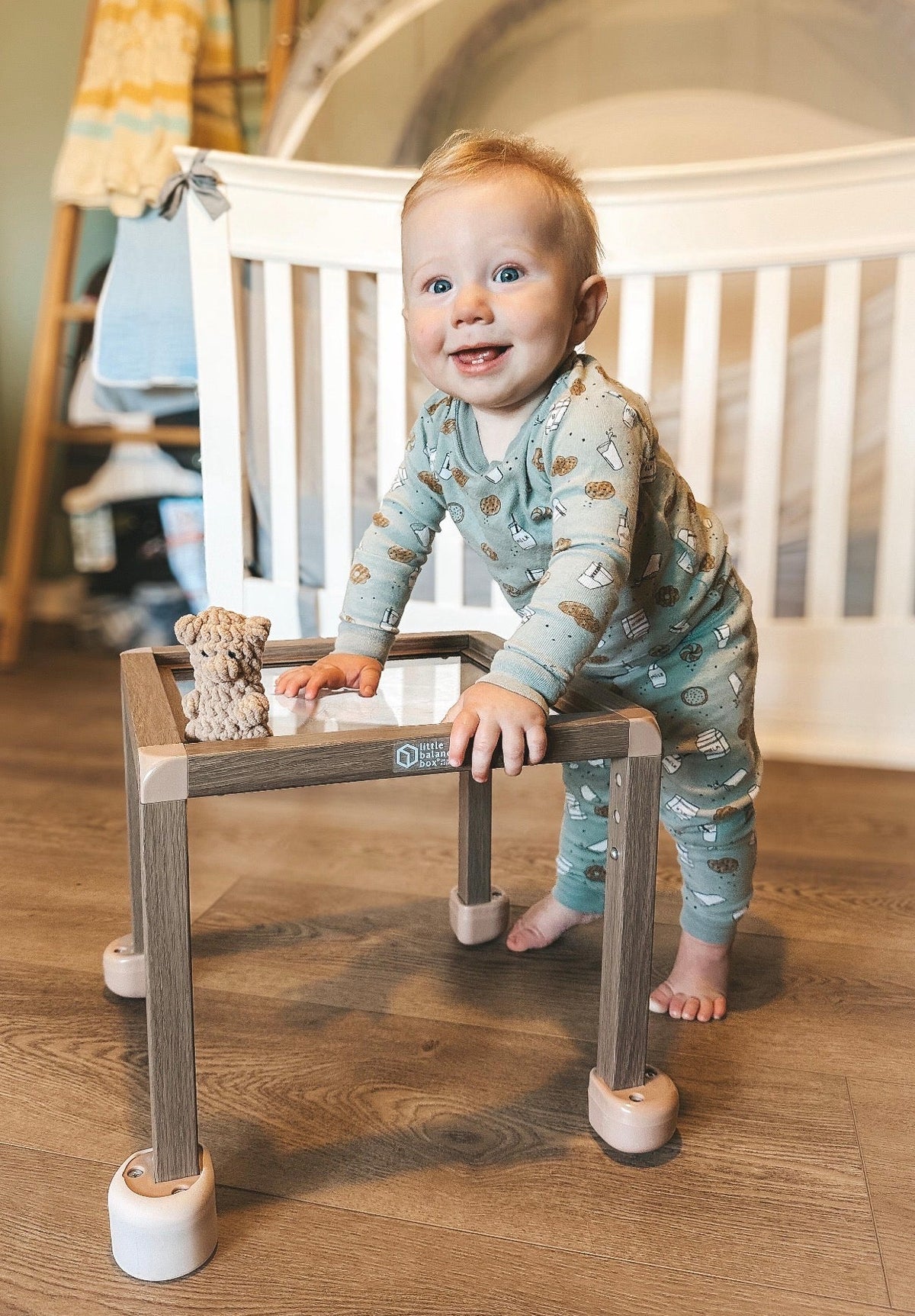
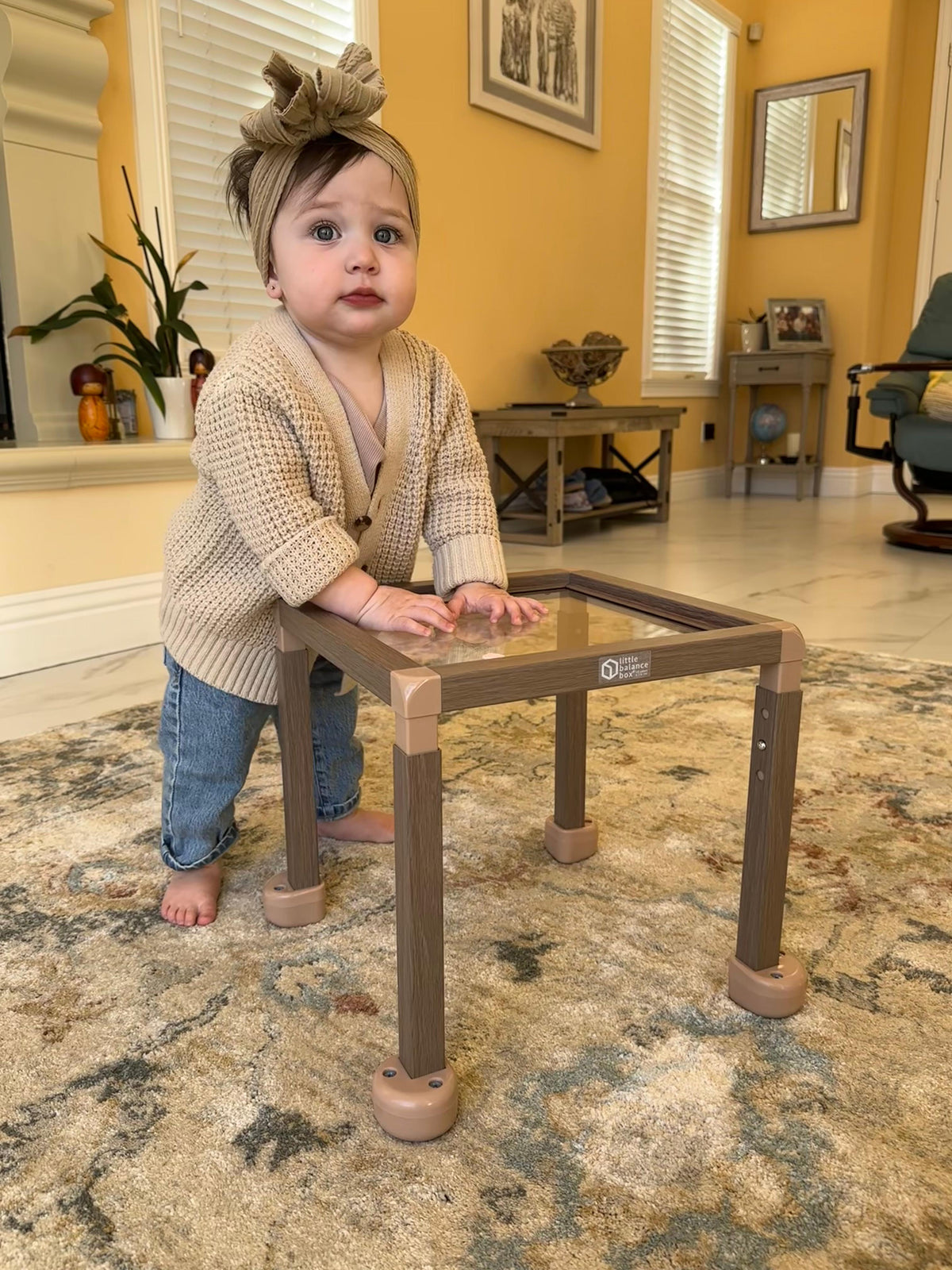
Las herramientas que apoyan el movimiento de empuje también pueden ser útiles durante esta etapa, ya que proporcionan a los niños algo estable a lo que agarrarse mientras practican los pasos y el cambio de peso.
Dónde encaja Little Balance Box Grow
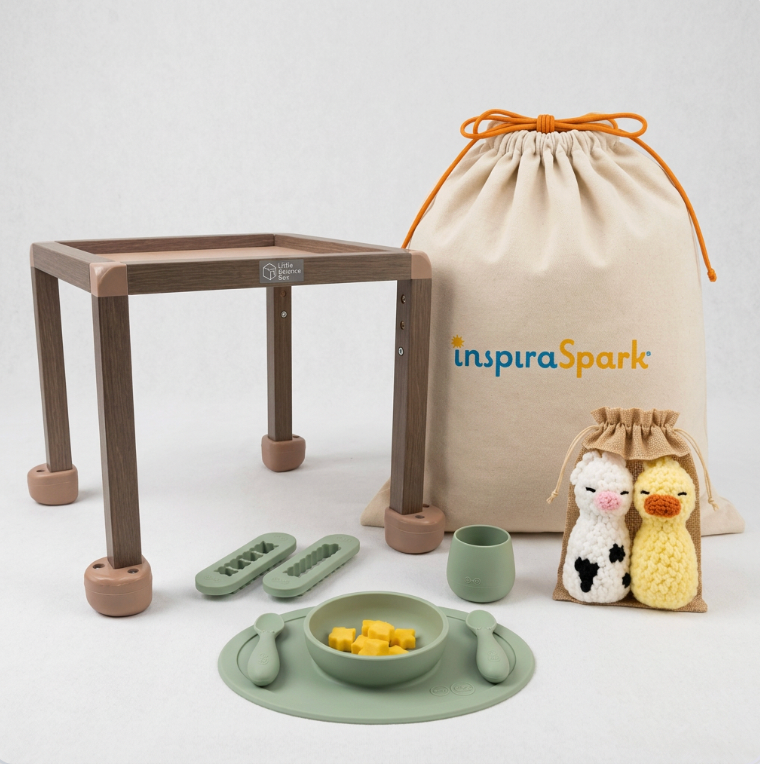
La Little Balance Box Grow fue diseñada específicamente por un fisioterapeuta para apoyar esta etapa del desarrollo.
A diferencia de los andadores tradicionales, proporciona una superficie estable y apoyada en el suelo que permite a los niños practicar el empuje y los pasos sin el riesgo de que se desplace. Esto ayuda a reforzar los patrones de movimiento adecuados al tiempo que fomenta:
- Equilibrio y coordinación
- Fortalecimiento a través del movimiento natural
- Confianza a medida que los niños exploran de forma independiente
Al apoyar estas habilidades fundamentales, la Little Balance Box Grow ayuda a tender un puente entre el inicio de la bipedestación y la marcha segura e independiente, a un ritmo que se alinea con el desarrollo natural de cada niño.
Compartir:
Cómo ayudar a su hijo a caminar (Consejos de un fisioterapeuta)
Cómo la Little Balance Box Grow Ayuda a los Niños a Desarrollar Equilibrio, Coordinación y Confianza