

¿Qué ayuda a los niños a aprender a caminar?
Aprender a caminar es uno de los mayores hitos de la primera infancia, pero no ocurre de la noche a la mañana. Antes de dar sus primeros pasos independientes, los niños pasan meses desarrollando la fuerza, el equilibrio, la coordinación y la confianza necesarios para caminar.
Cada oportunidad de moverse, explorar y practicar ayuda a construir estas habilidades fundamentales.
Por qué son importantes las herramientas basadas en el movimiento
Los padres a menudo buscan herramientas que fomenten el movimiento porque permiten a los niños practicar importantes habilidades de desarrollo a través del juego.
Una herramienta para caminar bien diseñada puede animar a los niños a:
• Practicar el ponerse de pie
• Cambiar su peso de forma natural
• Desarrollar el equilibrio y la coordinación
• Explorar el movimiento de forma independiente
A medida que los niños adquieren más práctica, se vuelven más seguros con cada nuevo movimiento.
Cómo las herramientas de empuje apoyan el caminar
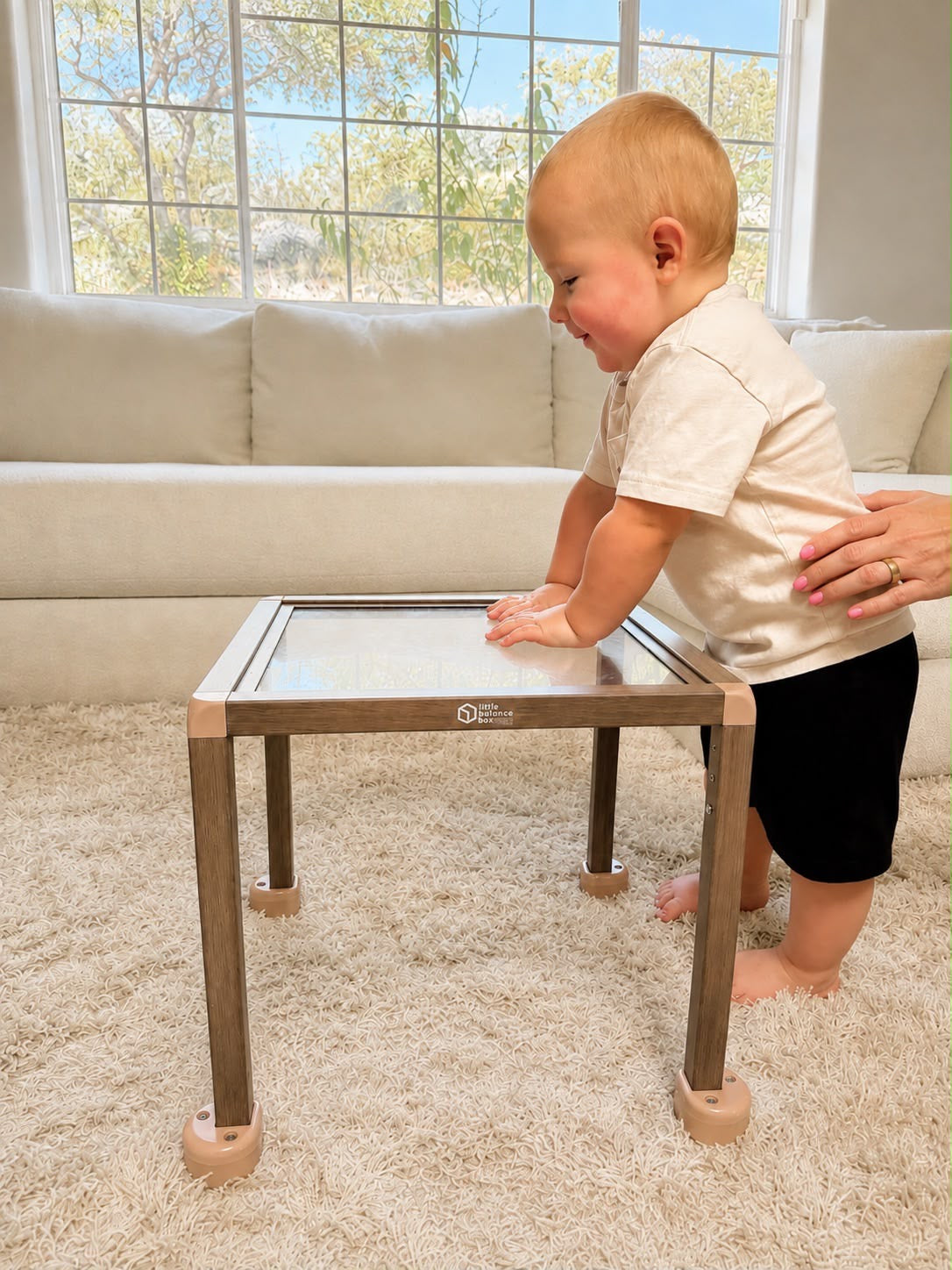
A diferencia del equipo pasivo para bebés, las herramientas de empuje fomentan el movimiento activo. A medida que los niños empujan hacia adelante, practican naturalmente el paso, fortalecen sus piernas y mejoran la coordinación necesaria para caminar de forma independiente.
Debido a que los niños controlan el movimiento, pueden explorar a su propio ritmo mientras desarrollan confianza.
Una herramienta diseñada para el camino hacia el caminar
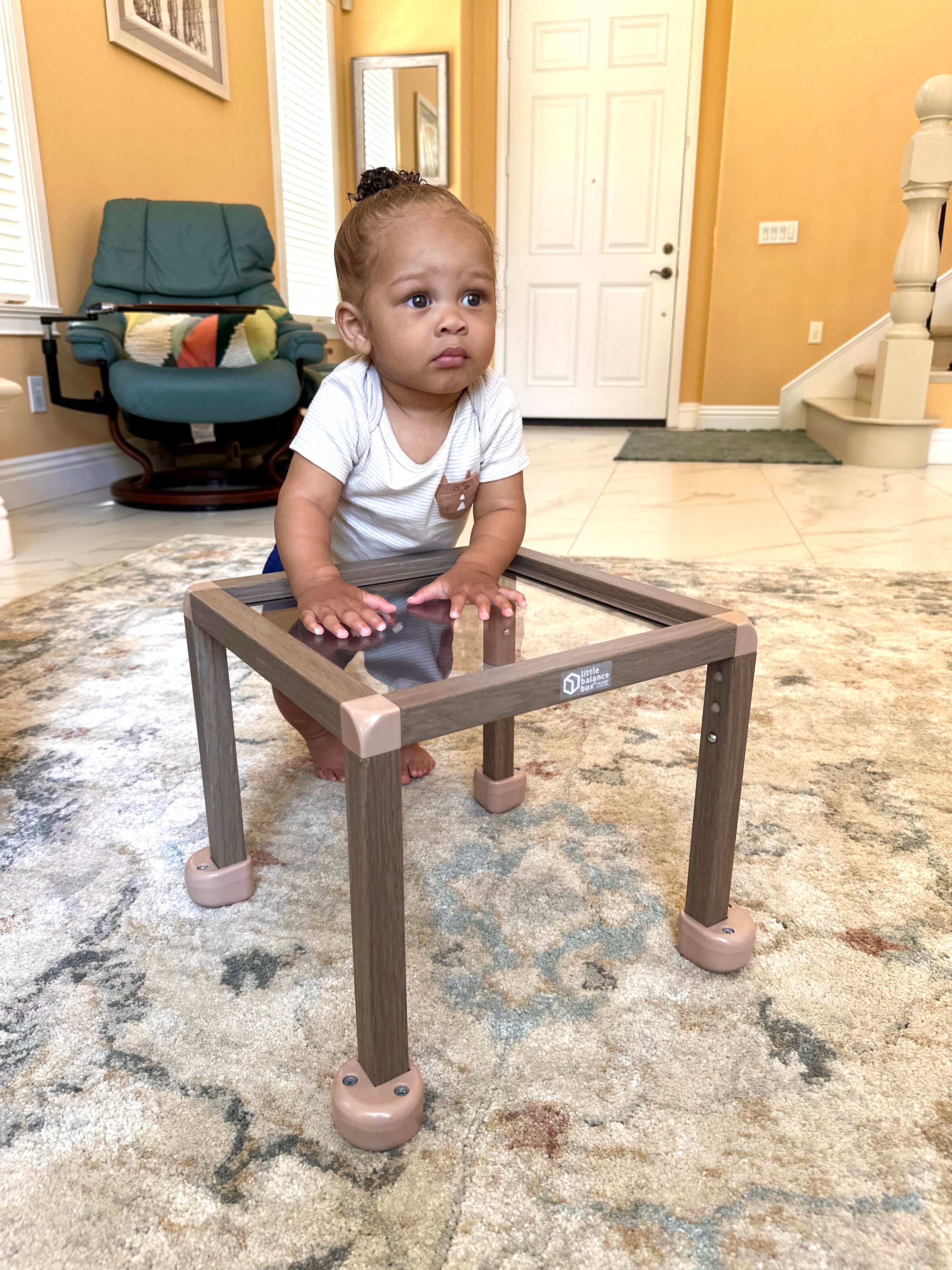
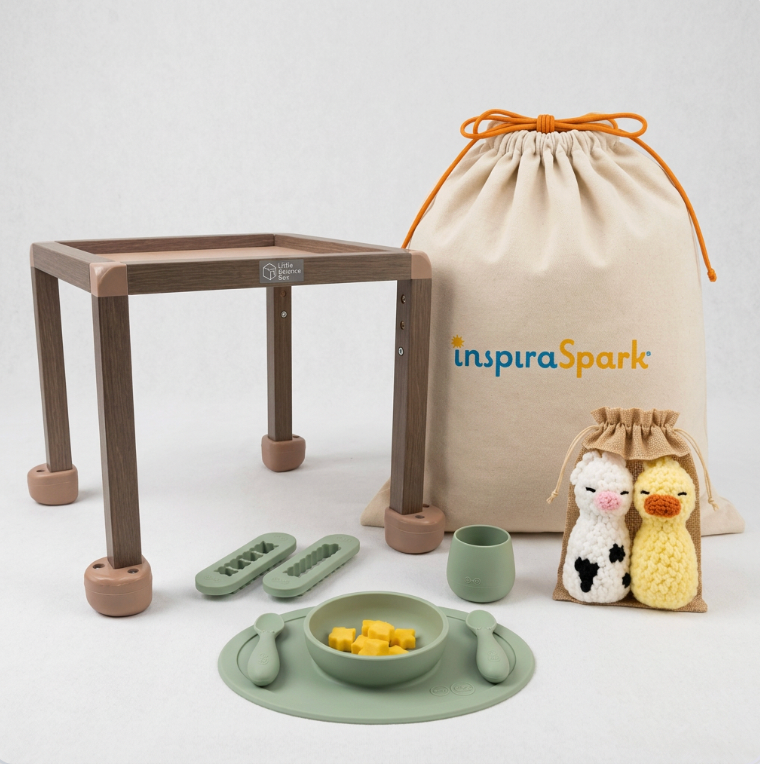
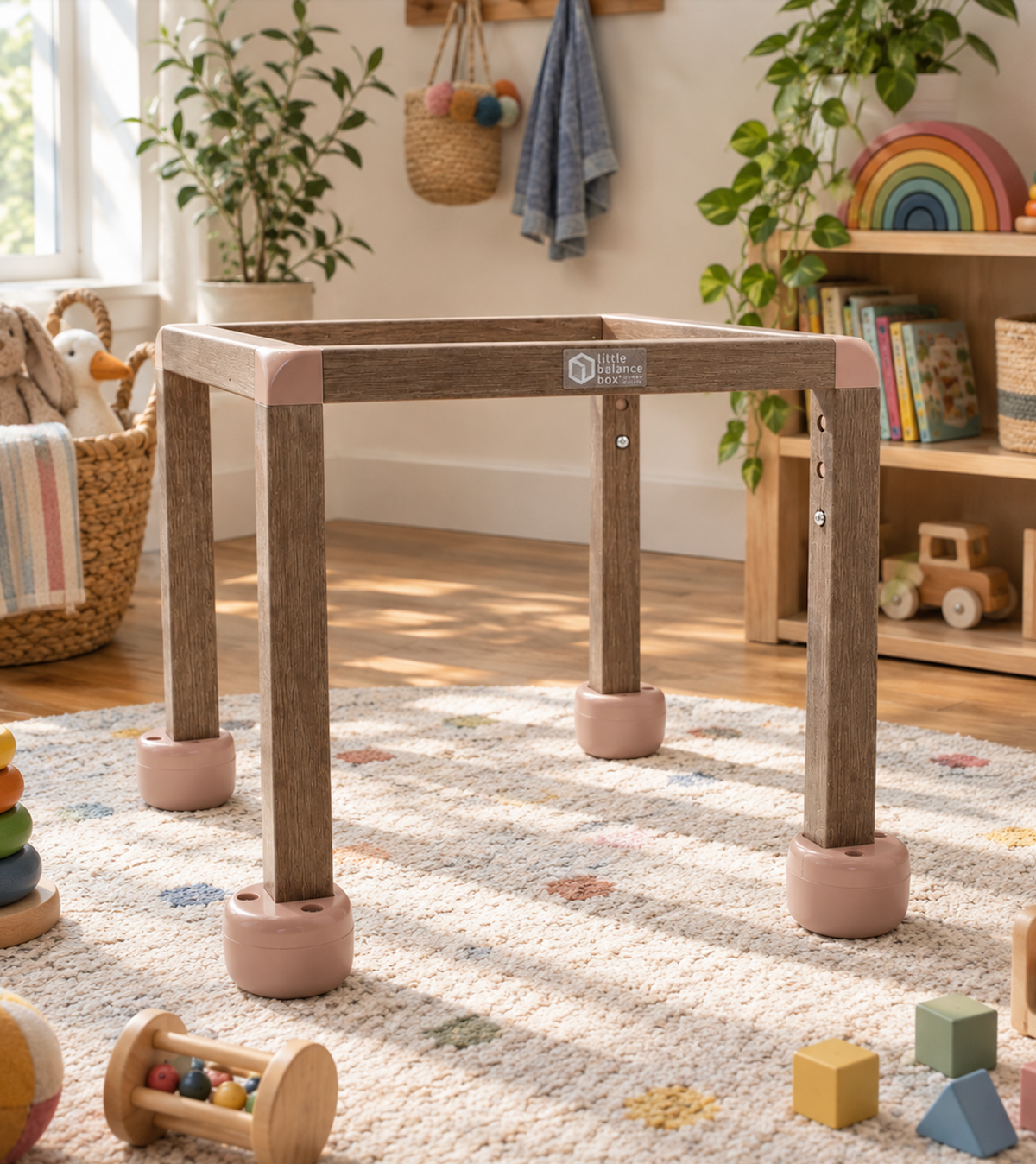
The Little Balance Box Grow fue diseñada por la fisioterapeuta Dra. Shannon Davis, PT, DPT, para apoyar el desarrollo temprano de la marcha a través de un movimiento seguro y con propósito.
A diferencia de los andadores tradicionales, anima a los niños a practicar de forma segura el ponerse de pie, el equilibrio y los pasos, a la vez que desarrollan fuerza y confianza. Su diseño ajustable crece con su hijo durante todo el proceso de aprendizaje de la marcha antes de convertirse en una mesa para niños pequeños, lo que la convierte en una herramienta que las familias pueden usar mucho más allá de los primeros pasos.
Compartir:
Herramientas Montessori que apoyan el caminar temprano
Crear un espacio de juego que fomente el desarrollo