

The Role of Motivation in Learning to Walk
Ask any parent who's watched their child take those first wobbly steps, and they'll tell you: it rarely happens on command. A baby can have the strength, the balance, and the coordination to walk — and still choose to crawl across the room instead. So what tips the scale? More often than not, it comes down to motivation.
Walking isn't just a physical milestone. It's a skill babies choose to use once they have a reason to. Understanding the role motivation plays can help parents support this stage in a way that feels encouraging rather than forced.
Why Motivation Matters as Much as Ability
A baby can be physically capable of standing and taking steps well before they actually start walking consistently. Desire can be a powerful part of what motivates a child to make that leap. Crawling is fast, familiar, and reliable. Walking, in the early days, is slow, wobbly, and uncertain. Having a strong reason to make the switch can help a child decide it's worth trying.
Whether it's a toy just out of reach, a sibling to chase, or the excitement of a parent cheering them on, motivation is often the push that leads a child to take those first steps.
How a Pediatric PT Thinks About Motivation
Dr. Shannon, PT, DPT and creator of the Little Balance Box, builds her approach to motor development around this same idea. In her work, she starts by identifying what's meaningful to the person in front of her — the toy, the person, the goal — because that's what lights the spark needed to get the brain and body to coordinate and organize around a new movement. From there, she works backward, figuring out what building blocks need to be in place to help that child reach it efficiently.
It's a philosophy she applies across ages, not just with children learning to walk: find the motivator first, then fill in the physical pieces — strength, balance, coordination — needed to get there.
What Motivates Babies to Walk
A few common motivators tend to show up again and again:
Wanting something. A favorite toy, a snack, or an object placed just slightly out of crawling reach can be enough to spark that first standing reach or step.
Wanting someone. Children are often more motivated to walk toward a person than toward an object — especially a parent or sibling with arms open and an encouraging voice.
Imitation. Watching older siblings, cousins, or other kids walk and run can spark a child's own desire to do the same.
Celebration. Babies are highly attuned to their parents' reactions. Genuine enthusiasm and encouragement after even a small attempt can reinforce the desire to try again.
Novelty. A new environment — a different room, a grassy yard, a friend's house — can sometimes motivate a child to attempt new movement they hadn't tried at home.
How to Encourage Motivation Without Pressure
Motivation works best when it feels like the child's own idea, not something being pushed on them. A few ways to encourage it naturally:
- Get down on the floor at your child's level and open your arms to invite them toward you
- Place an interesting toy just out of reach to encourage reaching, standing, or stepping
- Celebrate effort and attempts, not just successful steps
- Let older siblings play and move nearby — babies often want to keep up
Where the Little Balance Box Comes In
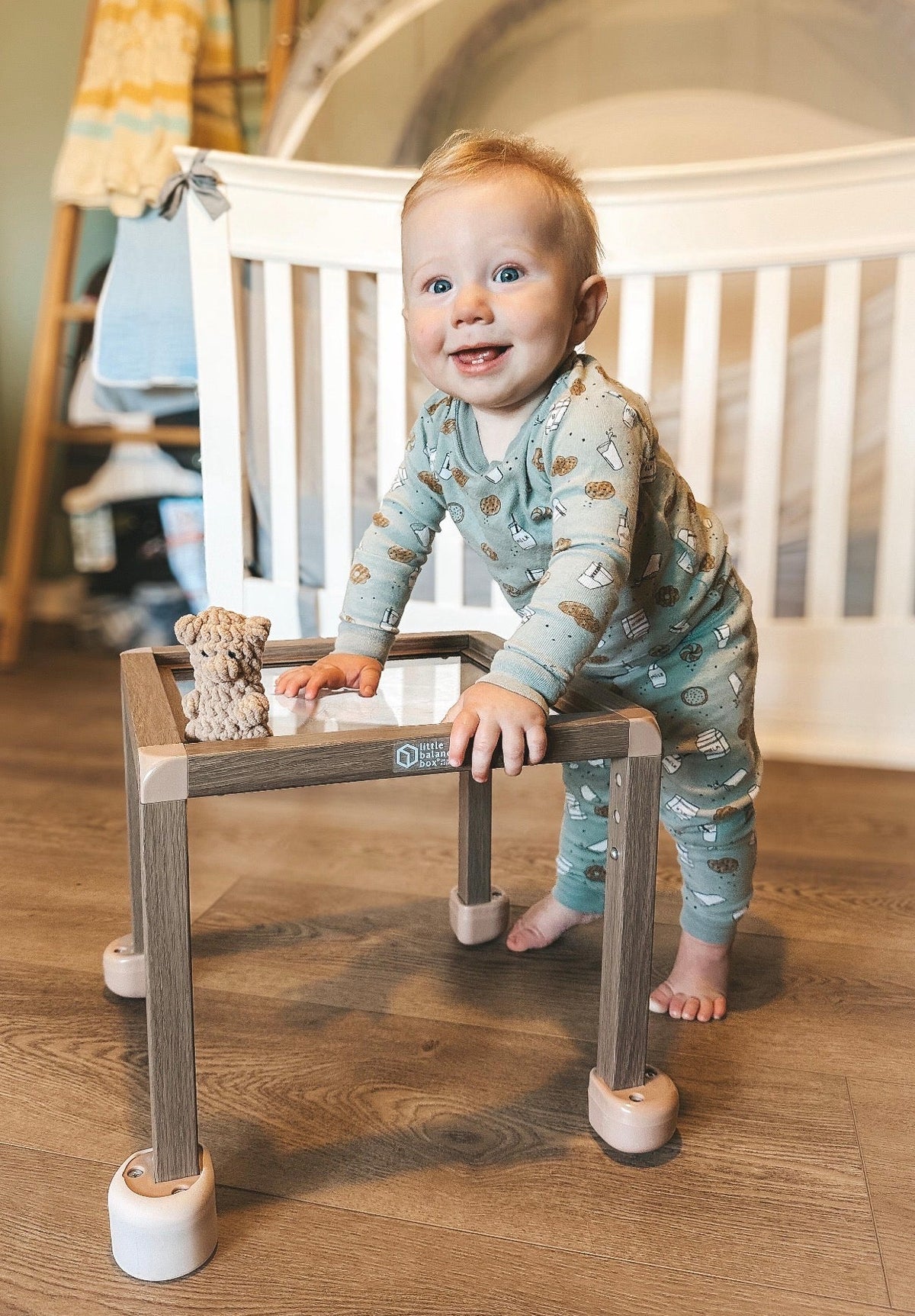
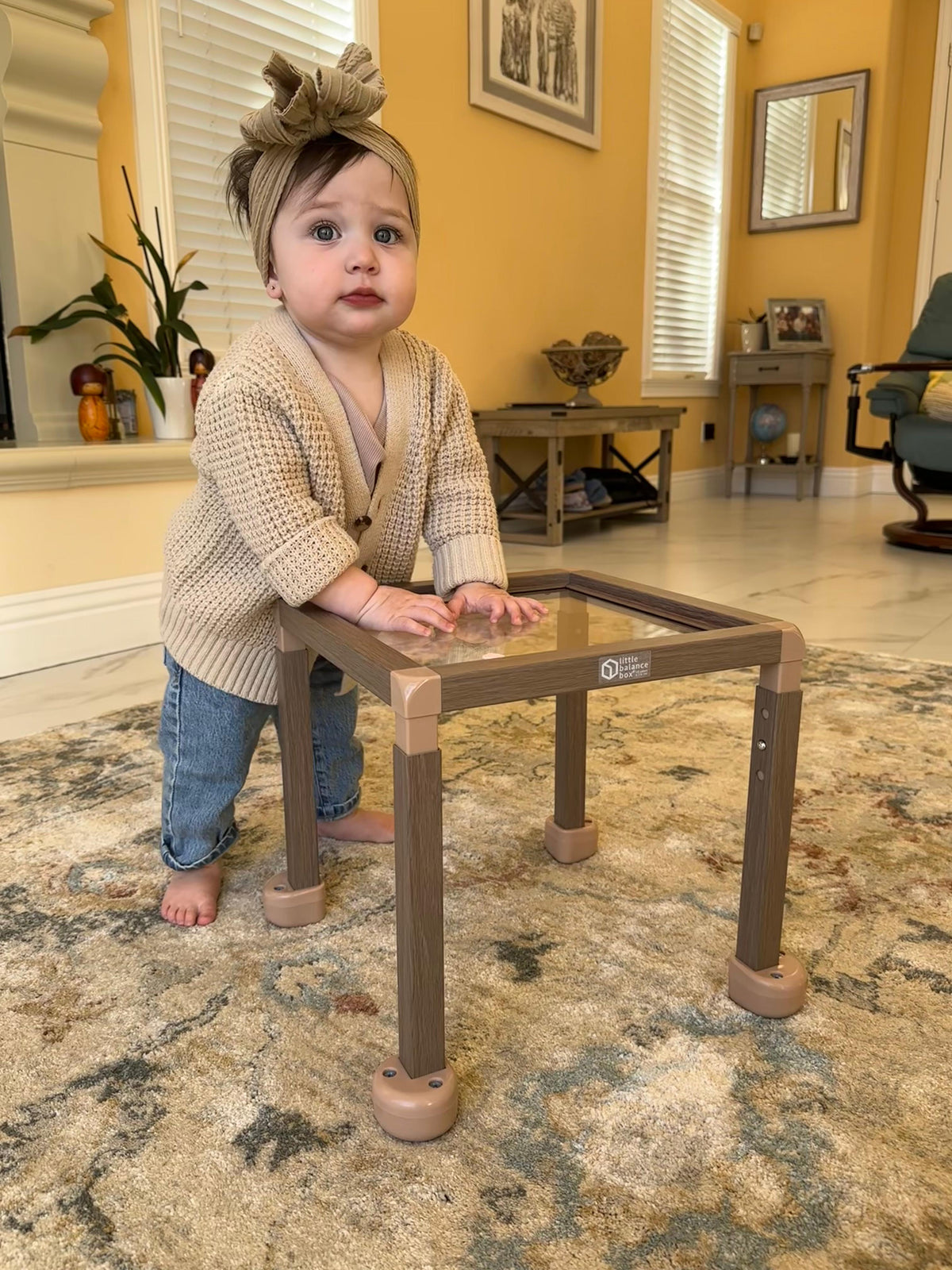
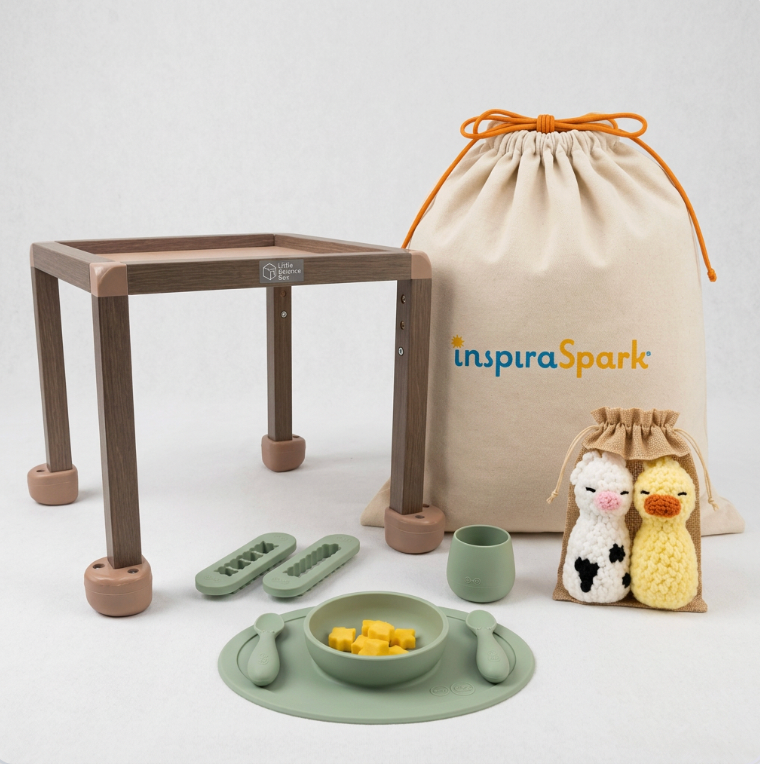
Motivation and opportunity go hand in hand — a motivated child still needs a safe, supported way to act on that motivation. The Little Balance Box is designed to give babies a stable tool to push, hold onto, and explore with, so that once they're motivated to move, they have a safe way to do it. Supervision is always required during use, but having a consistent, inviting tool available can make it easier for a baby's own motivation to turn into practice.
One simple way to apply this at home: try placing a favorite toy, rattle, or snack on top of the Little Balance Box during practice.
The Bottom Line
Learning to walk isn’t only about physical readiness, it’s also about motivation. Children often take those first steps when they have a reason to move, whether that means reaching for a favorite toy, running into a parent’s open arms, or playing with a sibling. By creating opportunities, offering encouragement, and following your baby’s interests, you can help turn those little moments of motivation into big steps forward.
Compartir:
Why Babies Fall While Learning to Walk (And Why It’s Actually a Good Thing)