

10 maneras fáciles de fomentar las habilidades motoras gruesas en casa
Las habilidades motoras gruesas son los movimientos que los niños usan todos los días para sentarse, gatear, ponerse de pie, caminar y explorar el mundo que los rodea. La buena noticia es que muchas de estas habilidades se pueden fomentar a través de actividades simples y cotidianas en casa.
Aquí hay 10 maneras fáciles de apoyar el desarrollo motor grueso de su hijo:
1. Pase tiempo en el suelo
El juego en el suelo les da a los bebés el espacio para rodar, gatear, alcanzar y explorar mientras desarrollan fuerza y coordinación.
2. Fomente el tiempo boca abajo
Para los bebés más pequeños, el tiempo boca abajo ayuda a fortalecer el cuello, los hombros, la espalda y el tronco, músculos importantes para el movimiento futuro.
3. Deje que su hijo explore
Proporcione un entorno seguro donde su hijo pueda moverse libremente y descubrir nuevas formas de explorar de forma independiente.
4. Practique ponerse de pie
Coloque los juguetes favoritos en una superficie baja y estable para animar a su hijo a levantarse y practicar ponerse de pie.
5. Fomente el gateo con apoyo
Organice muebles resistentes para que su hijo pueda moverse de forma segura de una superficie a otra mientras practica el equilibrio.
6. Juegue juegos que impliquen movimiento
Actividades como rodar una pelota, bailar o alcanzar burbujas hacen que el movimiento sea divertido mientras mejora la coordinación.
7. Pase tiempo al aire libre
Los parques, las áreas verdes y los patios de recreo ofrecen diferentes superficies que desafían el equilibrio y fortalecen los músculos.
8. Elija juguetes que fomenten el movimiento
Busque herramientas con un propósito que fomenten el estar de pie, empujar, equilibrarse y la exploración independiente en lugar del juego pasivo.
9. Celebre el progreso
Cada niño se desarrolla a su propio ritmo. Celebre los pequeños logros y brinde mucho estímulo a medida que su hijo aprende nuevas habilidades.
10. Apoye el caminar a través del juego con propósito
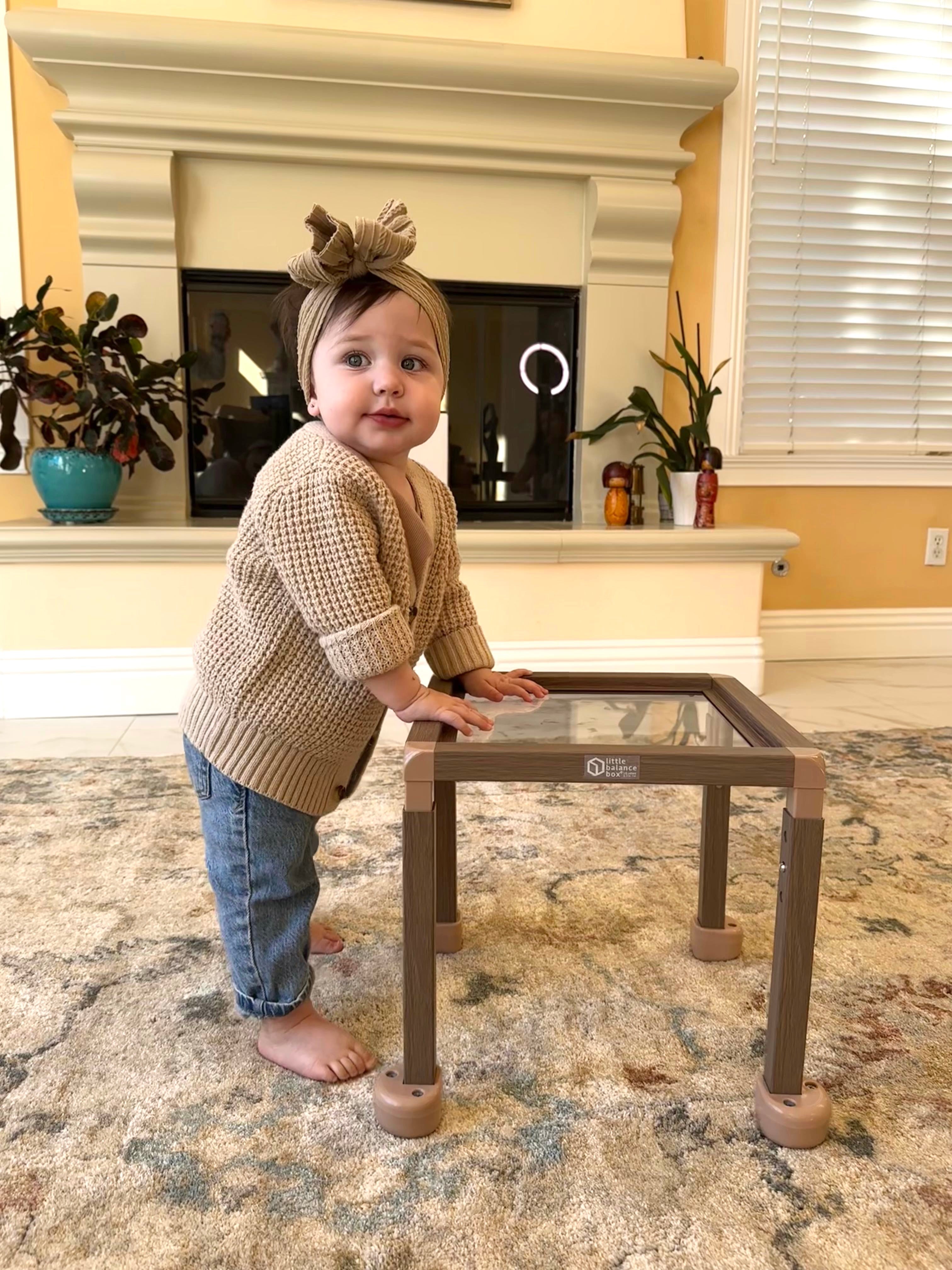
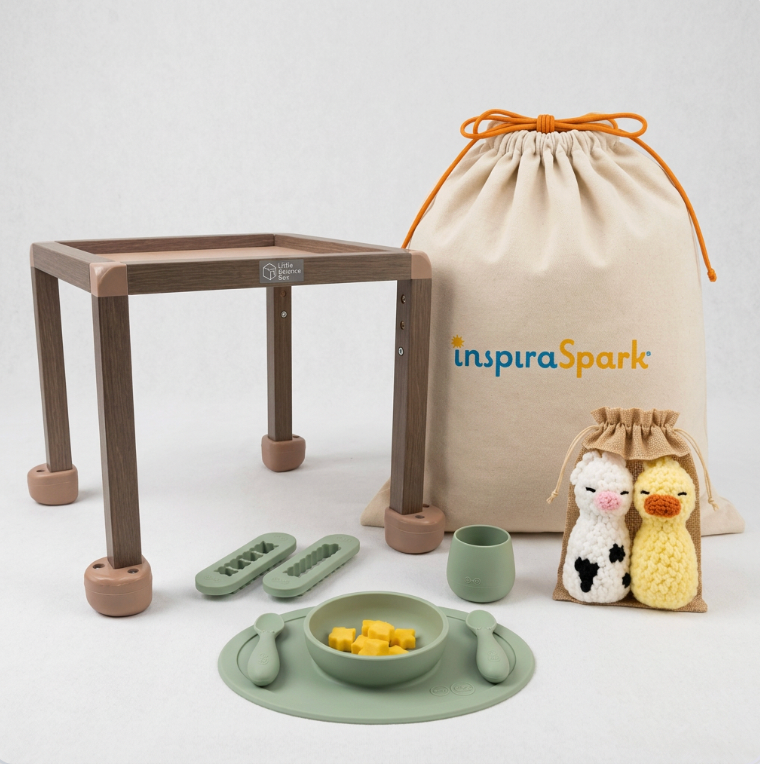
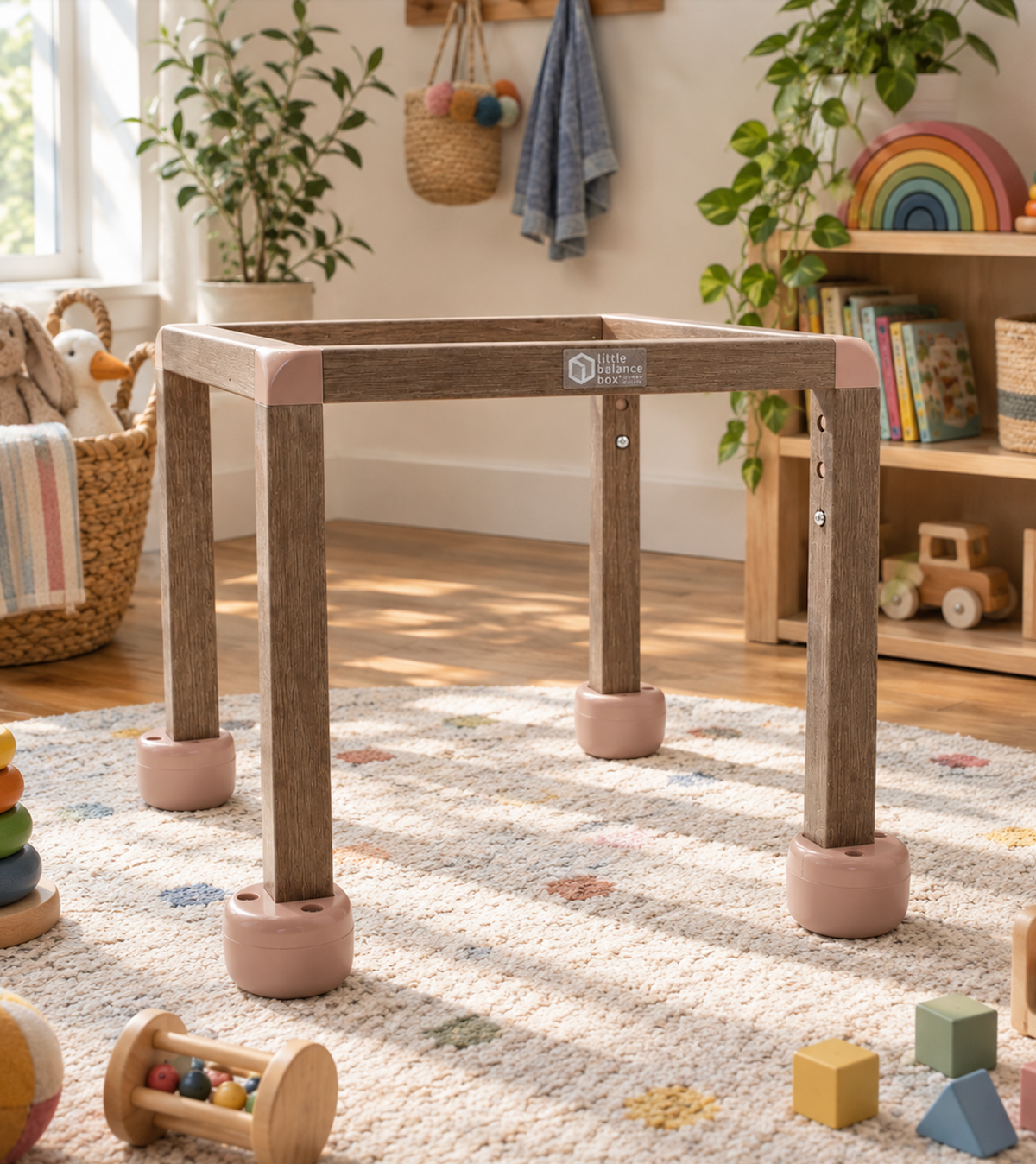
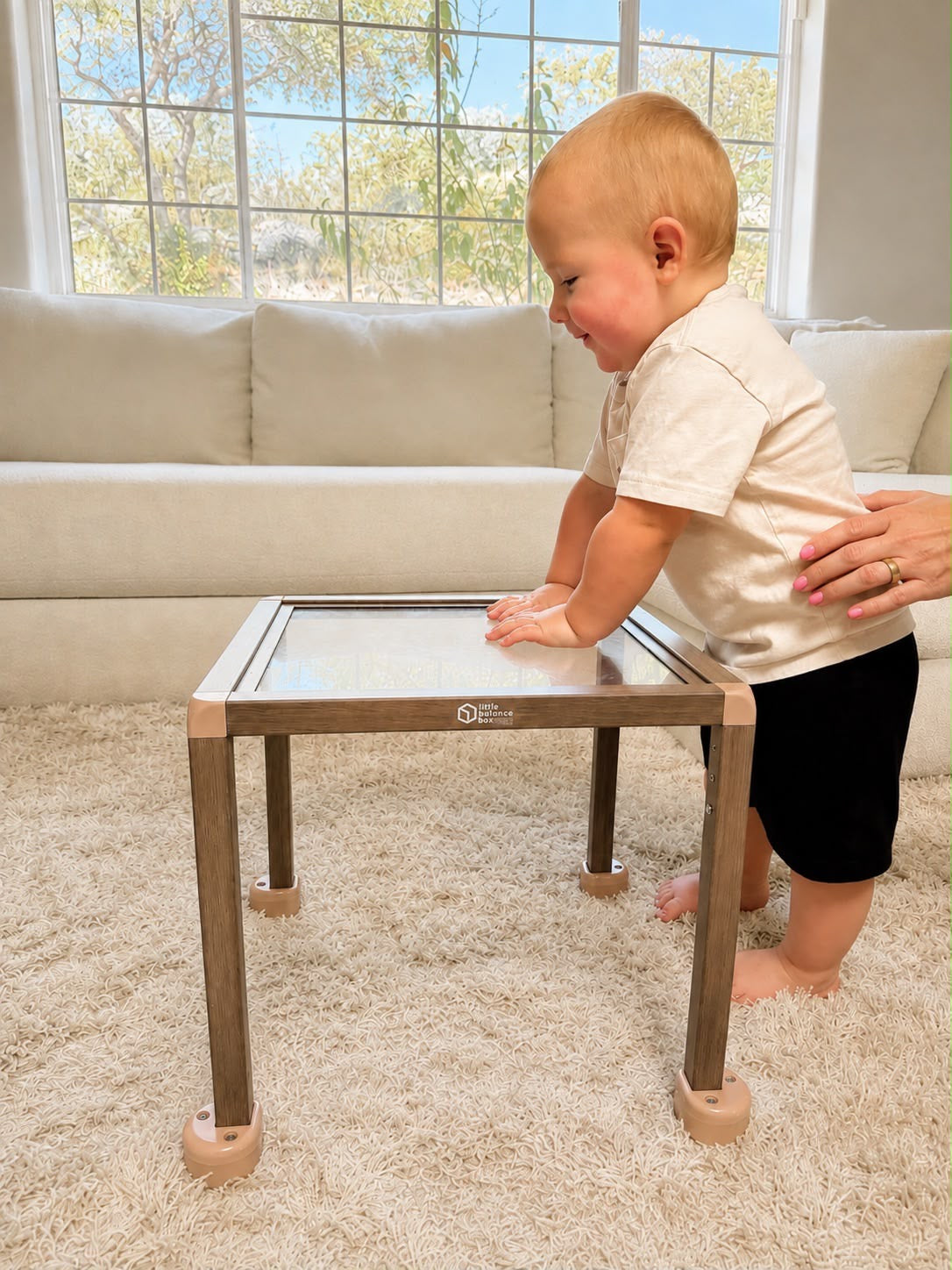
The Little Balance Box Grow fue diseñada por la fisioterapeuta Dra. Shannon Davis, PT, DPT, para fomentar el movimiento seguro y natural durante el inicio de la marcha. A partir de los 6 meses con el apoyo de los padres, ayuda a los niños a practicar ponerse de pie, el cambio de peso, el equilibrio y los pasos mientras desarrollan confianza. Su altura ajustable crece con su hijo antes de transformarse en una mesa para niños pequeños, proporcionando un valor de desarrollo mucho después de esos primeros pasos independientes.
Compartir:
Crear un espacio de juego que fomente el desarrollo
Por qué las herramientas y los juguetes sencillos a menudo son los que mejor apoyan el desarrollo